
At 2:17 a.m., someone in a hotel room rolls over, checks the clock, and hears it again: the snore that sounds like a tiny motorcycle. They nudge their partner. The partner mumbles, promises they’re “not even asleep,” and both lie there wide awake.
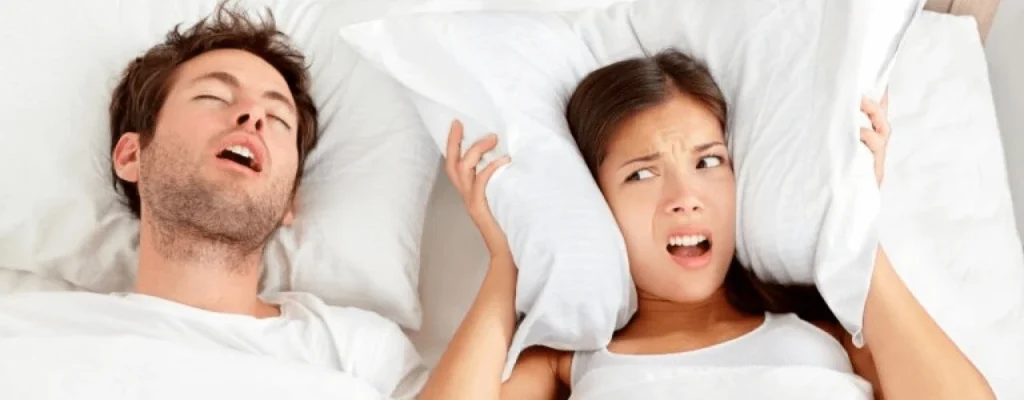
That scene is everywhere right now. Sleep gadgets are trending, people are swapping “what worked for me” hacks, and travel fatigue plus workplace burnout makes bad sleep feel even worse. If you’re here because you’re considering an anti snoring mouthpiece, use the guide below to pick the next step without guessing.
Start here: if these signs show up, screen first
Snoring can be simple vibration. It can also be a signal that breathing is disrupted. You don’t need to self-diagnose, but you do need to notice patterns.
If you have pauses, choking, or major daytime sleepiness… then get evaluated
If someone notices you stop breathing, gasp, or choke at night, treat that as a medical screening issue. The same goes for morning headaches, high sleepiness at work, or dozing off easily. A mouthpiece may still be part of a plan, but it shouldn’t replace proper evaluation.
If snoring changed suddenly… then check for a trigger
Recent weight changes, new meds, alcohol close to bedtime, or a bad stretch of congestion can shift snoring fast. So can schedule shocks like daylight savings. If the timeline is obvious, address the trigger while you consider devices.
Decision guide: choose the next move with “If…then…”
If you mainly snore on your back… then try position + a simple device
Back-sleeping can make snoring louder for some people. If that’s your pattern, start with positional strategies and a mouthpiece that’s comfortable enough to wear consistently. Consistency beats “perfect” gear that stays on the nightstand.
If your partner says the noise is the biggest problem… then focus on sound reduction + sleep quality basics
Relationship humor aside, noise is disruptive. Pair a reasonable snoring tool with habits that support deeper sleep: consistent wake time, cooler/darker room, and a wind-down routine that doesn’t end with doomscrolling.
For general, doctor-sourced habit ideas, see Shop Micro Electric CPAP Noise Anti Snoring Device Sleep Apnea Stop Snore Aid Stopper – BLUE – Dick Smith.
If you’re tempted by “micro” sleep gadgets… then ask what problem they solve
Online listings for compact anti-snore devices can be appealing, especially when you’re exhausted and traveling. Before you buy, define the target: is it snoring noise, mouth breathing, jaw position, or suspected breathing pauses? If the device description can’t clearly map to your problem, it’s easy to waste money.
If you want a practical, travel-friendly option… then consider a mouthpiece setup
A mouthpiece is portable and doesn’t require a power source. For some snorers, it can reduce vibration by changing how the jaw or tongue sits during sleep. Fit and comfort matter, so choose a design you can actually tolerate night after night.
If you’re comparing options, take a look at this anti snoring mouthpiece. It’s the kind of pairing people search for when they want help keeping the mouth closed while also using a mouthpiece.
If you wake up with jaw soreness or tooth pain… then stop and reassess
Pain is a signal, not a “push through it” challenge. Ongoing soreness, tooth sensitivity, or bite changes deserve dental input. Document what you tried, how long you wore it, and what changed. That record helps you make safer decisions next.
If you’re considering mouth tape because it’s trending… then prioritize safety
Mouth taping is a popular topic, but it isn’t a one-size-fits-all fix. If you can’t breathe freely through your nose, taping can be risky. If you suspect sleep apnea, don’t use tape as a workaround. When in doubt, get clinical guidance.
Quick reality checks that protect your sleep (and your wallet)
- Burnout makes everything louder. When you’re stressed, lighter sleep can make snoring feel worse for both people.
- Travel fatigue changes your baseline. Dry hotel air, alcohol at dinner, and odd bedtimes can spike snoring temporarily.
- Hype doesn’t equal fit. The best device is the one you can wear safely and consistently.
FAQs (fast answers)
Do anti-snoring mouthpieces work for everyone?
No. They help some people, but comfort, jaw anatomy, and the cause of snoring matter.
Is snoring always a sign of sleep apnea?
No, but certain symptoms should be screened, especially breathing pauses and heavy daytime sleepiness.
What’s the difference between a mouthpiece and CPAP?
CPAP is medical airflow therapy. Mouthpieces are mechanical devices that may reduce snoring for some sleepers.
Can I use mouth tape and a mouthpiece together?
Sometimes people consider it, but it can be unsafe if nasal breathing isn’t clear or if sleep apnea is possible.
How long does it take to get used to an anti-snoring mouthpiece?
Often a short adjustment period is needed. Stop if pain or bite changes persist.
What are the biggest safety red flags with snoring devices?
Jaw/tooth pain, sores, bite changes, worse sleep, or symptoms that suggest sleep apnea. Keep devices clean and don’t share them.
Next step: make a choice you can stick with
If snoring is hurting sleep quality, pick one path and track results for a week: bedtime consistency, position changes, and a mouthpiece that feels wearable. If red flags show up, prioritize screening over experimenting.
How do anti-snoring mouthpieces work?
Medical disclaimer: This article is for general education and does not provide medical advice or a diagnosis. If you suspect sleep apnea or have severe sleepiness, breathing pauses, chest pain, or persistent jaw/tooth pain, seek care from a qualified clinician or dentist.