
Snoring isn’t just “a funny noise” anymore. It’s a nightly productivity tax, a relationship punchline, and a reason people keep buying new sleep gadgets.
If you’ve ever packed earplugs for a trip, blamed a red-eye for your mood, or joked about sleeping in separate rooms, you’re not alone.
Here’s the simple idea: better sleep quality starts with figuring out what’s driving the snore, then choosing the least-complicated tool that actually fits your body.
Why is everyone suddenly talking about snoring and sleep tech?
Sleep is having a moment. Wearables score it. Apps nudge bedtime. “Optimization” culture turned rest into a metric.
At the same time, snoring has become a mainstream problem to solve. You’ll see more roundups, more product launches, and more market coverage as anti-snoring devices expand and compete—especially across mouthpieces, chin straps, and other simple at-home options.
If you’re curious about the broader trend, you can skim this 6 Natural Remedies for Sleep Apnea That Improve Your Breathing coverage for context.
What’s the real link between snoring and sleep quality?
Snoring can be a sound problem and a sleep problem. Even when the snorer “sleeps through it,” the noise can fragment a partner’s sleep and increase stress in the home.
For the snorer, snoring sometimes shows up alongside dry mouth, sore throat, morning headaches, or feeling unrefreshed. Travel fatigue and workplace burnout can amplify all of it because lighter sleep makes you easier to wake.
One more important point: snoring can also overlap with sleep-disordered breathing. If you notice gasping, choking, or long pauses in breathing, that’s a reason to get evaluated.
What is an anti snoring mouthpiece, and what does it try to change?
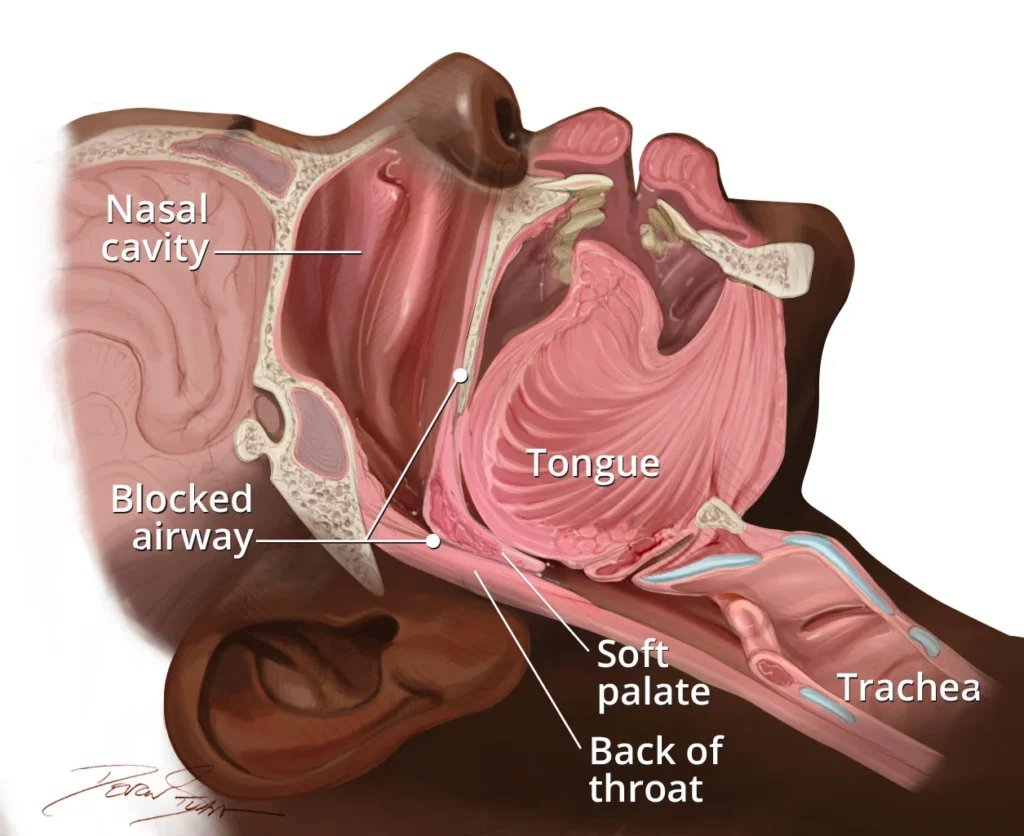
An anti snoring mouthpiece is designed to influence what your jaw, tongue, and mouth are doing during sleep. The goal is simple: help keep the airway more open and reduce vibration that creates the snore sound.
People often try mouthpieces when snoring seems worse on their back, after alcohol, during allergy season, or when nasal congestion pushes them into mouth-breathing.
You’ll also see clinicians quoted in device roundups emphasizing fit and comfort. That’s not hype. A mouthpiece that feels bulky or triggers gagging won’t get worn, and an unworn device can’t help.
Which “common questions” help you choose the right tool?
Is your snoring mostly a positioning problem?
Back-sleeping often makes snoring louder. If your snoring spikes when you’re flat on your back, consider a plan that includes positioning support plus a mouthpiece that you can tolerate.
Some people also use a chin strap style accessory to encourage closed-mouth breathing. Others prefer a mouthpiece-only approach. The best option is the one you’ll actually use consistently.
Is comfort the make-or-break issue?
Comfort is technique, not luck. Pay attention to jaw tension, tooth pressure, and whether you wake up clenching.
If you try a mouthpiece, prioritize a stable fit and a design that doesn’t feel like it’s fighting your bite. Small adjustments matter more than “toughing it out.”
Are you waking up with dry mouth or drool?
Dry mouth can signal mouth-breathing, nasal congestion, or a device that isn’t sitting well. Drooling can happen during the adjustment phase, especially if your lips don’t seal comfortably.
Sometimes pairing tools helps. For example, a mouthpiece plus gentle mouth-closure support can reduce leak and noise for certain sleepers.
Do you need something travel-proof?
Travel fatigue makes snoring feel louder—especially in hotels, shared rooms, or after long days. If you’re packing a sleep kit, think about what’s easy to clean and quick to store.
A ventilated case, simple daily cleaning, and a predictable routine beat a complicated setup when you’re jet-lagged.
How do you use an anti-snoring mouthpiece without overcomplicating it?
Start with the basics: fit, positioning, and cleanup.
- Fit: The device should feel secure without painful pressure. If you wake up sore, that’s feedback, not a challenge.
- Positioning: Combine with side-sleep support if your snoring is clearly worse on your back.
- Cleanup: Rinse after use and clean daily with mild soap and cool water. Dry it fully before storing.
If you want a combined approach, consider this anti snoring mouthpiece as a single kit option.
When is snoring a medical red flag instead of a “device shopping” problem?
Snoring deserves a second look if you have loud nightly snoring plus daytime sleepiness, morning headaches, or a partner notices pauses in breathing. The same goes for waking up gasping or feeling panicky.
Also pay attention if blood pressure is a concern, or if you’re nodding off at work or while driving. In those cases, a professional evaluation is the safer next step than experimenting alone.
Common questions (quick answers)
Will a mouthpiece fix my sleep quality overnight?
Sometimes you’ll notice a difference quickly, but many people need an adjustment period. Consistency matters.
Is snoring always caused by weight?
No. Anatomy, sleep position, nasal congestion, alcohol, and jaw/tongue posture can all play a role.
Can partners do anything besides wear earplugs?
Yes. Agree on side-sleep support, reduce bedroom alcohol close to bedtime, and choose a tool that’s comfortable enough to wear nightly.
Medical disclaimer: This article is for general education only and is not medical advice. Snoring can be associated with sleep apnea and other health conditions. If you have choking/gasping, witnessed breathing pauses, severe daytime sleepiness, or other concerning symptoms, talk with a qualified clinician.