
Myth: Snoring is just an annoying sound.
Reality: Snoring often signals airflow resistance, and that can chip away at sleep quality for you and whoever’s within earshot.
Right now, sleep is having a moment. People are swapping tips about 3 a.m. wakeups, chasing new sleep gadgets, and joking about “snore divorce” setups that start as humor and end as separate bedrooms. Add travel fatigue, daylight savings whiplash, and workplace burnout, and it’s no surprise the question is practical: what actually helps?
Big picture: why snoring and sleep quality get tangled
Snoring usually happens when soft tissues in the airway vibrate as you breathe. That vibration often increases when you sleep on your back, drink alcohol close to bedtime, or get congested.
Even when you don’t fully wake up, snoring can fragment sleep. Partners may wake repeatedly, too. That’s why snoring becomes a “relationship problem” and a “work performance problem” fast.
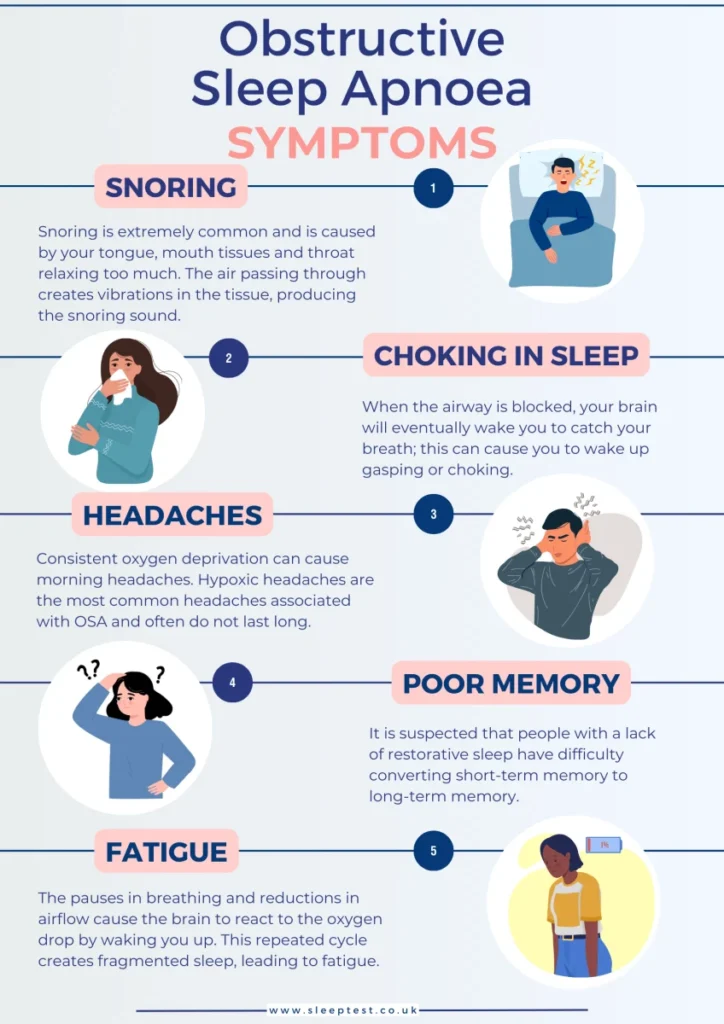
Also: some people who snore have obstructive sleep apnea (OSA). That’s not a gadget problem. It’s a medical screening problem.
The emotional layer: it’s not just noise, it’s friction
Snoring comes with baggage. People feel embarrassed, defensive, or blamed. The listener feels exhausted and resentful.
Make the goal simple: quieter nights and better mornings. Treat it like a shared project, not a personal flaw. A short trial plan beats endless arguing at 2:17 a.m.
Practical steps: where an anti snoring mouthpiece fits
An anti snoring mouthpiece (often a mandibular advancement device) aims to gently move the lower jaw forward. That forward position can reduce tissue collapse and vibration for some snorers.
It’s not the only tool. It’s one of the most direct “mechanical” options when positioning is the main issue.
Step 1: Run a quick reality check before you buy
- Listen for red flags: choking/gasping, witnessed pauses, severe daytime sleepiness, morning headaches, or high blood pressure.
- Notice patterns: worse on your back, worse after alcohol, worse with congestion, worse when overtired.
- Consider the “trend trap”: sleep hacks go viral, but your airway doesn’t care what’s trending.
If your main problem is positional snoring, a mouthpiece is a reasonable next step to test.
Step 2: Get the basics right (ICI): Insert, Comfort, Increment
Use this simple approach to reduce frustration and improve compliance.
- Insert: Seat the mouthpiece fully so it doesn’t rock or pop loose. If it shifts, it won’t do its job.
- Comfort: Aim for “noticeable but tolerable.” Pain is a stop sign, not a badge of progress.
- Increment: If your model allows adjustment, move in small steps. Don’t jump to maximum advancement on night one.
Step 3: Pair the mouthpiece with positioning (the underrated multiplier)
Positioning is the low-tech move that keeps winning. Side-sleeping often reduces snoring for back-snorers. If you’re testing a mouthpiece, keep your sleep position consistent for a week so you can tell what changed.
If you travel a lot, build a “hotel plan.” Dry air, late meals, and weird pillows can spike snoring. Pack nasal support (like saline) and keep your bedtime routine simple.
Step 4: Clean-up and maintenance (so the fit stays stable)
Most mouthpieces fail for boring reasons: grime, warping, or inconsistent use.
- Rinse after each use and brush gently.
- Let it air-dry in a ventilated case.
- Avoid hot water unless the instructions explicitly allow it.
Safety and testing: how to know if it’s working (and when to stop)
Give yourself a short test window, then decide. Don’t “tough it out” for months with a bad fit.
A simple 10-night test that’s actually measurable
- Nights 1–3: Focus on fit and comfort. Expect some drooling and mild awareness.
- Nights 4–7: Track snoring volume (partner feedback or a basic recording) and morning symptoms (dry mouth, headache, grogginess).
- Nights 8–10: If adjustable, make one small change only if snoring persists and comfort is good.
If your partner reports fewer wakeups and you feel more restored, that’s a meaningful win.
Stop and get help if any of this happens
- Jaw pain that escalates or doesn’t settle after the first week.
- Tooth pain, gum injury, or bite changes that linger.
- Symptoms that suggest sleep apnea (gasping, pauses, heavy daytime sleepiness).
What people are talking about right now (and what to do with it)
The current sleep conversation is loud: 3 a.m. wakeups, daylight savings resets, and a flood of “one weird trick” gear. Some advice is timeless, like keeping a consistent schedule and protecting wind-down time.
If you want a mainstream overview of sleep hygiene ideas that often come up in expert roundups, see Stop waking up at 3 am — I asked 5 doctors for their best sleep hygiene tips and here’s what they said.
Then, separate “sleep quality habits” from “snoring mechanics.” A mouthpiece targets mechanics. Habits support the baseline.
Medical disclaimer (read this)
This article is for general education only and is not medical advice. Snoring can be a sign of obstructive sleep apnea or other health conditions. If you have choking/gasping, breathing pauses, significant daytime sleepiness, or other concerning symptoms, seek evaluation from a qualified clinician.
CTA: pick a mouthpiece that matches your goal, then test it
If you’re ready to compare options, start here: anti snoring mouthpiece.