
On a Tuesday night, someone in a tiny apartment tries to “optimize” sleep like it’s a work project. There’s a new app, a new tracker, and a new rule about no screens after 9. At 3:07 a.m., they’re awake anyway—again—while their partner delivers the classic relationship joke: “Your snore has its own schedule.”
That’s the moment most people start shopping. Not for another candle or sound machine, but for something that actually changes airflow. If snoring is hurting sleep quality, an anti snoring mouthpiece can be a practical next step—when you pick the right type and set it up correctly.
Quick overview: why snoring crushes sleep quality
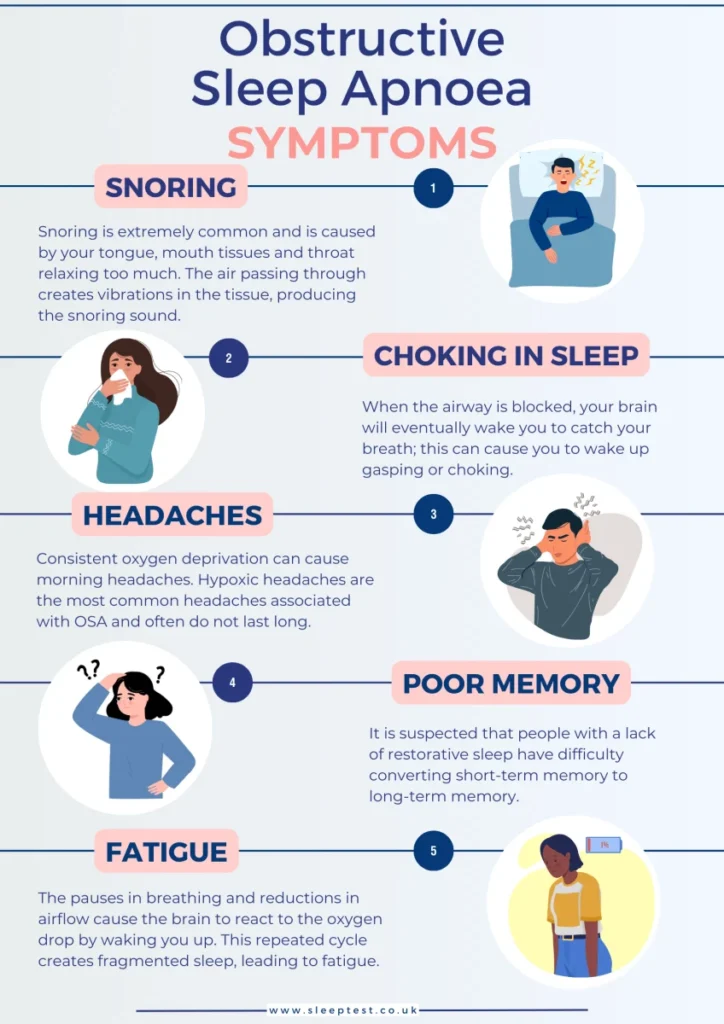
Snoring is more than “noise.” It can fragment sleep, trigger micro-awakenings, and fuel next-day fatigue. That fatigue shows up everywhere: short tempers, travel exhaustion after a red-eye, and the workplace burnout vibe that makes mornings feel impossible.
Snoring also sparks trend-chasing. One week it’s mouth taping. The next week it’s a new “dual therapy” gadget. Sleep headlines keep reminding us of the basics too: consistent routines, light exposure timing, and simple sleep hygiene can matter.
If you’re curious about the current conversation around taping, review a balanced take like Stop waking up at 3 am — I asked 5 doctors for their best sleep hygiene tips and here’s what they said. Then decide if it even fits your situation.
Timing: when a mouthpiece makes sense (and when it doesn’t)
A mouthpiece is most relevant when snoring seems tied to jaw position or airway crowding during sleep. People often notice it’s worse on their back, after alcohol, during allergy season, or when they’re overtired from travel.
Skip self-experimenting if there are red flags. Loud snoring plus choking, gasping, or witnessed pauses in breathing deserves medical evaluation. The same goes for severe daytime sleepiness.
Daylight savings and “random” bad nights
Clock changes and schedule whiplash can make snoring feel worse because sleep gets lighter and more fragmented. If you’re adjusting your routine, give it a week. Then evaluate whether the snoring is still a consistent problem.
Supplies: what to gather before you start
Keep this simple. You want fewer variables, not a nightstand full of gear.
- Your mouthpiece (follow the specific instructions for that model)
- A mirror (helps with positioning)
- A timer (for any molding/setting steps)
- A clean case (airflow matters; don’t store it wet)
- A soft toothbrush (device-only, not your daily brush)
If you’re comparing products, start here: anti snoring mouthpiece.
Step-by-step (ICI): install, comfort, and upkeep
This is the part most people rush. Rushing usually leads to soreness, drooling, or a device that ends up in the drawer.
I = Install (fit and position)
First, read the exact fitting directions for your device. Some are boil-and-bite. Others are adjustable. Either way, aim for a snug fit that doesn’t pinch.
During placement, keep your jaw relaxed. Don’t clamp down to “make it work.” A mouthpiece should guide position, not force it.
C = Comfort (adaptation plan)
Expect an adjustment period. Start by wearing it for short periods before bed while you’re winding down. That helps you spot pressure points before you’re half-asleep and annoyed.
If you wake up with jaw tightness, reduce how aggressively it advances the jaw (if adjustable) or re-check the fit. Comfort is not a luxury feature. It’s the difference between consistency and quitting.
I = Clean up (daily care and storage)
Rinse after use and brush gently with cool water. Let it dry fully before putting it in its case. A damp case can turn into a smell problem fast.
Replace the device when it shows wear, warping, or persistent odor that cleaning doesn’t fix. A distorted fit can reduce effectiveness and comfort.
Mistakes that keep snoring loud (even with a mouthpiece)
- Changing three things at once: mouthpiece + mouth tape + new pillow + supplements. You won’t know what helped.
- Forcing jaw position: more advancement isn’t always better. Overdoing it can cause soreness and noncompliance.
- Ignoring nasal airflow: congestion can sabotage progress. Basic allergy and humidity tweaks may help.
- Skipping the “boring” sleep basics: caffeine timing, alcohol, late meals, and inconsistent bedtimes can keep sleep fragmented.
- Not screening for bigger issues: if symptoms suggest sleep apnea, a device from a shelf isn’t a substitute for evaluation.
FAQ: fast answers people want right now
Will a mouthpiece help with waking up around 3 a.m.?
It can if snoring and airway restriction are causing arousals. If you wake up from stress, temperature, light, or schedule shifts, you may need habit changes too.
Is it normal to drool at first?
Yes, some drooling can happen during the adjustment period. Fit, bulk, and jaw tension all affect it.
Can I use a mouthpiece when traveling?
Many people do, especially when travel fatigue makes snoring worse. Keep it in a ventilated case and clean it consistently.
Do “sleep gadgets” replace the basics?
No. Trackers can be useful for patterns, but they don’t fix airway mechanics. Pair data with a practical intervention and consistent routine.
Next step: pick one tool and run a clean test
If snoring is straining your sleep, your relationship, or your workday, don’t turn it into a never-ending experiment. Choose one approach, set it up correctly, and track outcomes for two weeks.
How do anti-snoring mouthpieces work?
Medical disclaimer: This article is for general education only and isn’t medical advice. Snoring can have multiple causes, including sleep-disordered breathing. If you have choking/gasping, witnessed breathing pauses, significant daytime sleepiness, or other concerning symptoms, talk with a qualified clinician for evaluation and guidance.