
Before you try an anti snoring mouthpiece, run this quick checklist:
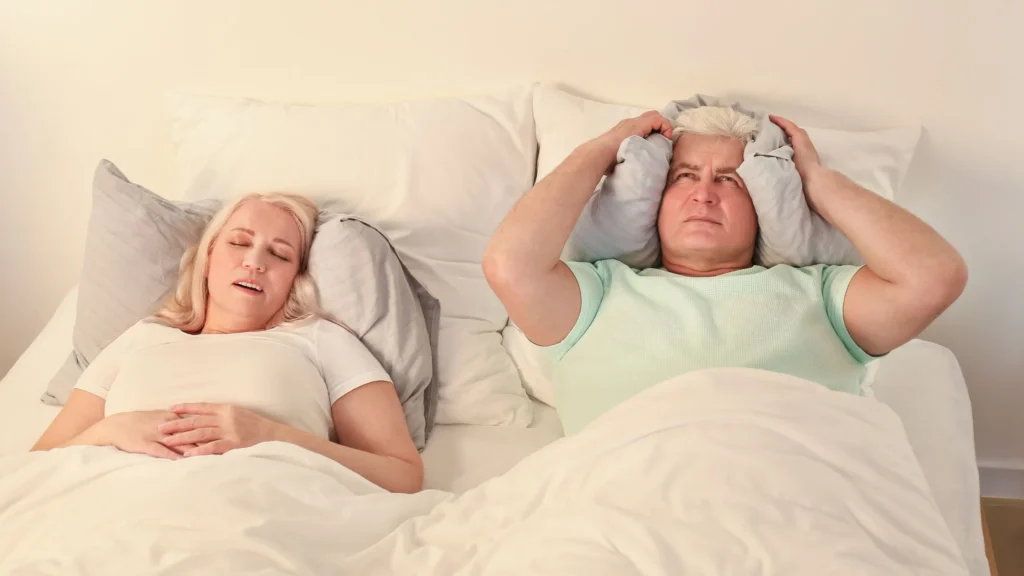
- Safety first: Do you wake up choking/gasping, feel dangerously sleepy in the day, or has a partner noticed breathing pauses? If yes, book a medical evaluation.
- Timing triggers: Did snoring spike after travel, daylight savings shifts, or a stressful work stretch? Fix the schedule before buying another gadget.
- Nose vs. mouth: Are you congested most nights, or do you sleep with your mouth open? That points to different solutions.
- Comfort reality: Can you tolerate something in your mouth for 6–8 hours? If not, start with habits and positioning.
Snoring is having a cultural moment. Sleep trackers, “biohacking” routines, and new bedtime gadgets are everywhere. At the same time, people are juggling travel fatigue, workplace burnout, and the very real relationship tension of being “the loud sleeper.” You don’t need a perfect sleep lab to make progress. You need a clear decision path.
If…then: pick your most likely snoring lane
If your snoring got worse after travel or a time change…
Then treat it like a short-term system glitch. Jet lag, late meals, alcohol, and dry hotel air can all rough up sleep quality. Daylight savings shifts can do the same by nudging your sleep window off-center.
For a week, prioritize boring basics: consistent wake time, morning light, and a calmer wind-down. If you’re the person who pops awake at 3 a.m., you’re not alone. Many sleep doctors emphasize routine, a cool dark room, and reducing late caffeine as the boring-but-effective foundation. (Related reading: Stop waking up at 3 am — I asked 5 doctors for their best sleep hygiene tips and here’s what they said.)
If snoring settles as your schedule stabilizes, you may not need a device. If it persists, keep going through the branches below.
If your partner says you snore mostly on your back…
Then start with positioning. Back sleeping can let the jaw and tongue drift in a way that narrows airflow. Side sleeping often reduces noise for many people.
If you can’t stay on your side, that’s where a mouthpiece may be worth considering. Think of it as a “guardrail” for nighttime jaw posture, not a magic off-switch.
If you wake with a dry mouth or you’re a mouth-breather…
Then your goal is steadier airflow and less mouth opening. This is the zone where people talk about mouth tape, chinstraps, and mouth shields. Those trends are popular right now, but they aren’t one-size-fits-all. Safety and comfort matter, especially if you have nasal blockage or anxiety about restricted breathing.
A combo approach can make sense for some sleepers: a mouthpiece to support jaw position plus a chinstrap to reduce mouth opening. If you’re exploring that route, look at an anti snoring mouthpiece designed for comfort and nightly wear.
If you’re buying gadgets because you’re exhausted and stressed…
Then slow down and simplify. Burnout makes people chase quick fixes. It also makes sleep lighter, which can amplify how disruptive snoring feels—for you and for whoever is listening.
Try a two-track plan: pick one device strategy (not three) and pair it with one routine change you can keep. A mouthpiece plus a consistent wake time beats a drawer full of abandoned sleep tech.
Where an anti snoring mouthpiece fits (and where it doesn’t)
An anti snoring mouthpiece is typically used to support jaw or tongue positioning to help keep the airway more open during sleep. For the right person, that can mean less noise and fewer wake-ups.
It’s not a cure-all. It may not help if snoring is driven mostly by acute illness, heavy congestion, or factors that need medical assessment. Comfort also varies. Some people adapt quickly; others notice jaw soreness or tooth pressure and should stop and ask a dentist or clinician.
Make it relationship-proof: a quick script
Snoring isn’t a character flaw, but it can feel personal at 2:17 a.m. Use a script that reduces blame:
- Say what’s happening: “We’re both losing sleep.”
- Name the goal: “I want quieter nights and better energy.”
- Propose a test: “Let’s try one change for two weeks and re-check.”
This turns the problem into a shared experiment. It also keeps the conversation from becoming nightly stand-up comedy about who’s sleeping on the couch.
Quick FAQ (for people who just want the answer)
How fast will I know if it helps? If snoring volume is the main issue, you may notice a change within a few nights. Comfort and fit can take longer.
What if I still wake up tired? Snoring and sleep quality overlap, but they’re not identical. Stress, timing, and sleep duration still matter.
Next step
If you want a simple explanation before you buy anything, start here:
How do anti-snoring mouthpieces work?
Medical disclaimer: This article is for general education and does not provide medical advice, diagnosis, or treatment. If you have loud persistent snoring, witnessed breathing pauses, choking/gasping, chest pain, or severe daytime sleepiness, seek evaluation from a qualified clinician.