
- Snoring isn’t just noise. It can signal fragmented sleep and, for some people, a breathing issue that deserves screening.
- Sleep gadgets are everywhere. Some help, some distract. The best choice matches the cause of your snoring.
- An anti snoring mouthpiece can be useful. It often helps when the airway narrows during sleep, but it’s not a cure-all.
- Safety beats hacks. “Quick fixes” like taping your mouth may carry risks if you can’t breathe well through your nose.
- Protect your mornings. Better sleep quality supports mood, focus, and burnout resilience—especially during heavy work weeks and travel.
Why are people suddenly talking about snoring and sleep quality?
Sleep has turned into a culture topic, not just a health topic. You see it in wearable scores, “sleepmaxxing” routines, and the endless parade of new anti-snore devices. Add travel fatigue, late-night scrolling, and workplace burnout, and more people are noticing how rough they feel after a “full night” that wasn’t actually restful.
Snoring also has a social cost. It’s the classic relationship punchline—until it stops being funny. If one person snores and the other lies awake, both can end up sleep-deprived.
When is snoring just annoying—and when is it a health flag?
Snoring happens when airflow gets noisy as it moves through a narrowed airway. That narrowing can come from anatomy, sleep position, alcohol, congestion, or weight changes. Sometimes it’s just a nuisance. Sometimes it’s paired with breathing disruptions that fragment sleep.
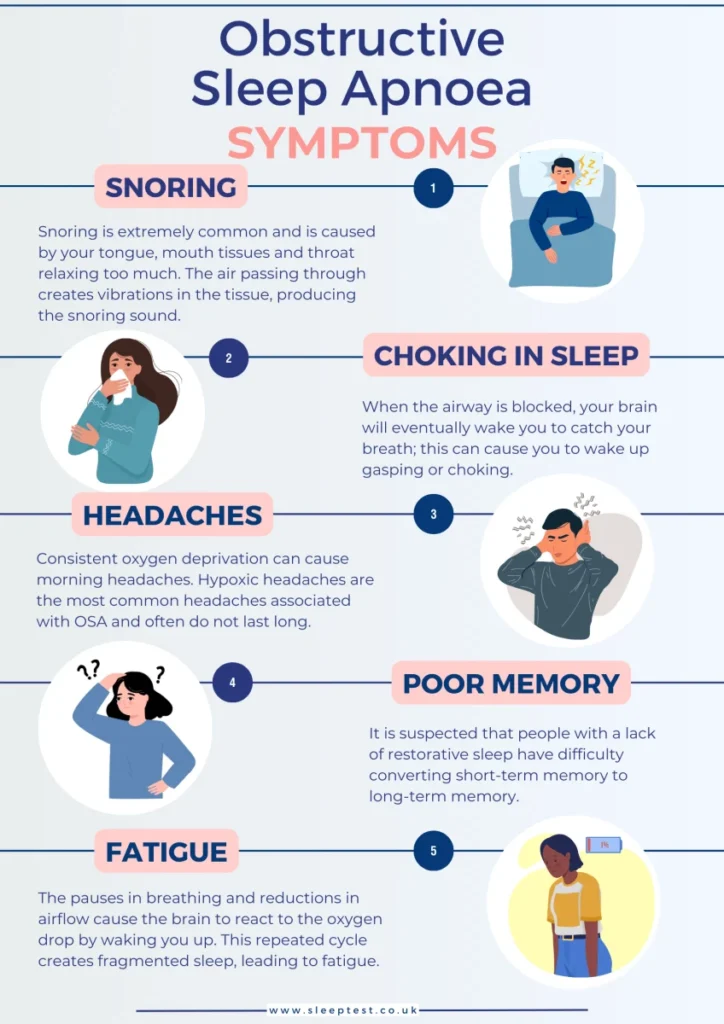
It’s worth taking seriously if you notice any of these patterns:
- Snoring most nights, especially if it’s loud enough to wake others
- Witnessed pauses in breathing, choking, or gasping
- Morning headaches, dry mouth, or sore throat
- Strong daytime sleepiness, brain fog, or irritability
- High blood pressure or heart risk factors (talk with a clinician)
Recent medical-adjacent coverage has also emphasized that sleep-disordered breathing can overlap with heart health concerns. If you want a general explainer to discuss with your clinician, see this coverage: What I Wish I Knew: How Much OSA Symptoms Would Affect My Sleep and Daily Life.
What actually hurts sleep quality: the sound, or the breathing?
Both can matter. The sound can wake a bed partner (and sometimes the snorer too). But the bigger issue is often sleep fragmentation—micro-arousals that keep you from staying in deeper, restorative stages.
That’s why people can log eight hours and still feel wrecked. Your tracker might call it “time asleep,” while your body calls it “not enough recovery.”
Do anti-snore gadgets work, or is it mostly hype?
Some devices help the right person. Others are more like expensive nightstand clutter. The trick is matching the tool to the likely mechanism:
- Positional strategies may help if you snore mostly on your back.
- Nasal approaches can help if congestion or nasal narrowing drives mouth breathing.
- Chin straps may reduce mouth opening, but they don’t necessarily fix airway collapse.
- Mouthpieces often aim to improve airflow by changing jaw/tongue position.
Media roundups frequently compare these categories, which is useful for shopping. Still, your best “device” might be a screening conversation if symptoms point to sleep apnea.
How can an anti snoring mouthpiece improve sleep—when it’s the right fit?
An anti snoring mouthpiece is typically designed to reduce snoring by helping keep the airway more open during sleep. Many models do this by gently positioning the lower jaw forward or stabilizing oral posture so tissues vibrate less.
People often look for mouthpieces when:
- Snoring is frequent and disruptive
- They want a non-surgical, travel-friendly option
- They’ve tried pillows, sprays, or “miracle” hacks with little change
If you’re comparing products, start here: anti snoring mouthpiece.
Comfort and compliance matter more than “strongest” design
A mouthpiece only helps if you can wear it consistently. Too bulky, too tight, or too irritating means it ends up in a drawer. Look for clear instructions, easy cleaning, and a fit that doesn’t force pain.
Red flags: when a mouthpiece shouldn’t be your first move
Skip the DIY path and get screened if you have strong daytime sleepiness, witnessed breathing pauses, or regular gasping at night. Also be cautious if you have significant TMJ issues, loose teeth, or ongoing dental pain.
What about mouth tape, chin straps, and other “viral” fixes?
Trends move fast. Mouth taping, for example, gets framed as a simple way to stop mouth breathing. The safety question is obvious: if your nose isn’t clear, restricting mouth breathing can be risky and uncomfortable.
Chin straps show up in shopping feeds too, including travel-focused listings. They may help some people keep the mouth closed. They don’t reliably address airway obstruction, and they can be annoying if they slip.
If you’re tempted by a hack, use this rule: anything that changes breathing deserves extra caution. When in doubt, ask a clinician—especially if you suspect sleep apnea.
How do you choose safely and document your decision?
Here’s a simple, low-drama way to reduce risk and keep track of results:
- Screen first. If you have red flags, prioritize medical evaluation over shopping.
- Set a baseline. Note snoring frequency, morning symptoms, and daytime energy for 7 days.
- Change one thing at a time. Don’t add a mouthpiece, tape, and a new supplement in the same week.
- Track side effects. Jaw soreness, tooth pressure, gum irritation, and dry mouth are common “stop and reassess” signals.
- Keep it clean. Follow the product’s cleaning guidance to reduce hygiene issues.
This approach helps you avoid the common trap: buying three gadgets, sleeping worse, and not knowing what caused it.
Can better sleep reduce burnout and relationship friction?
It won’t solve everything, but it can change your day fast. Better sleep quality often means steadier mood, fewer afternoon crashes, and more patience—useful when work is heavy and your calendar is packed.
It can also help the person next to you. Snoring isn’t only a “you” problem in a shared bed. Treating it can feel like a relationship upgrade without a single couples therapy session.
FAQ: quick answers people are searching right now
Is snoring worse after travel?
Yes, it can be. Dry hotel air, alcohol, jet lag, and sleeping on your back can all increase snoring.
Do wearables diagnose sleep apnea?
No. They can flag patterns, but diagnosis requires medical evaluation and appropriate testing.
Can a mouthpiece replace CPAP?
Sometimes a clinician may recommend an oral appliance for certain cases, but it depends on severity and anatomy. Don’t self-replace prescribed therapy.
Next step: learn the mechanism before you buy
If you’re considering a mouthpiece, start by understanding what it’s designed to do and whether your symptoms fit the use case.
How do anti-snoring mouthpieces work?
Medical disclaimer: This article is for general education only and is not medical advice. Snoring can have many causes, including sleep apnea. If you have breathing pauses, gasping, chest pain, severe daytime sleepiness, or concerns about heart risk, seek prompt evaluation from a qualified clinician.