
- Snoring is having a cultural moment: sleep gadgets, “expert” pillows, and app-tracked routines are everywhere.
- Sleep quality is the real goal, not just a quieter room.
- An anti snoring mouthpiece can be a practical middle ground between “do nothing” and full medical equipment.
- Travel fatigue and burnout make snoring louder for many people, because sleep gets lighter and more fragmented.
- If symptoms hint at obstructive sleep apnea, don’t DIY it. Get assessed and then choose tools that fit the plan.
Why everyone’s suddenly talking about snoring
Scroll for five minutes and you’ll see it: pillow roundups, sleep hygiene checklists, “natural remedies,” and a new gadget promising silent nights. The vibe is half wellness trend, half relationship comedy. One person wants deep sleep. The other wants to stop sounding like a leaf blower.
But under the jokes is a real issue. Poor sleep stacks up fast. It can hit mood, focus, gym recovery, and how patient you feel in a meeting that should’ve been an email.
A quick reality check: snoring vs. sleep health
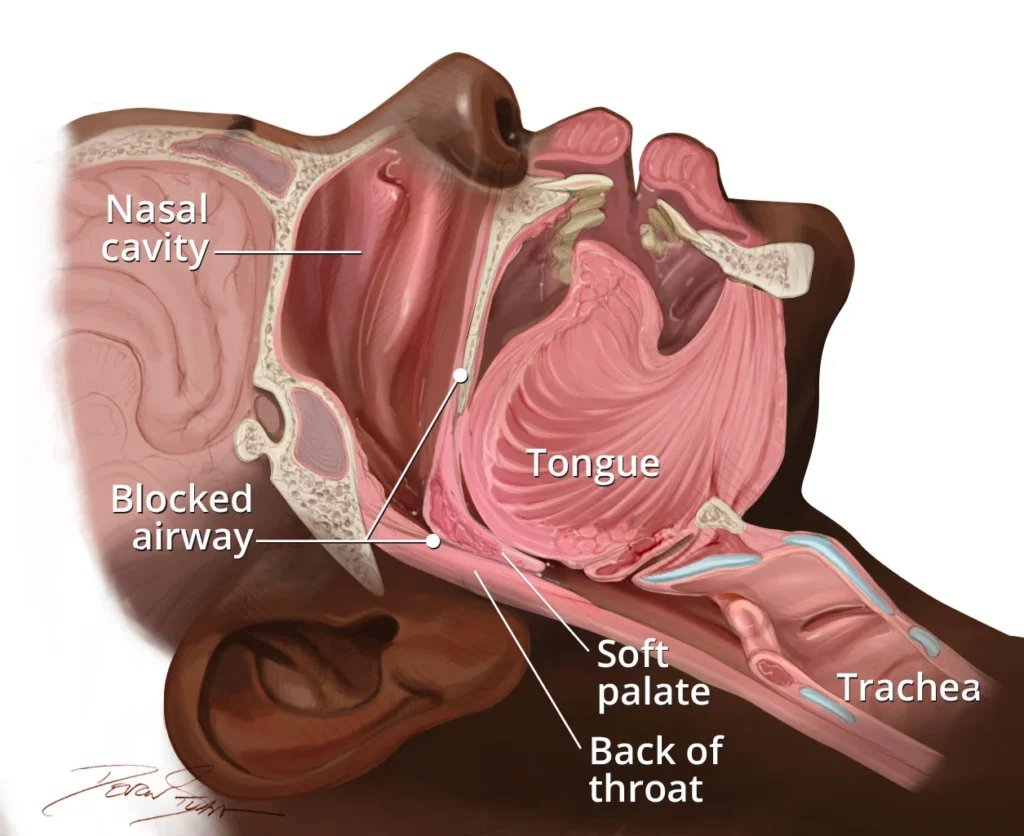
Snoring usually happens when airflow gets restricted and tissues vibrate. That can be positional (back sleeping), congestion-related, or tied to jaw/tongue position. Sometimes it’s also connected to obstructive sleep apnea (OSA), where breathing repeatedly stops or drops during sleep.
If you suspect OSA, you want a medical evaluation, not just a shopping cart of sleep accessories. Many recent health conversations also emphasize the broader risks linked with untreated OSA. Keep that in mind as you decide what to try first.
The “If…then…” decision guide (start here)
If your snoring is mostly positional… then try the low-effort stack first
If snoring ramps up when you sleep on your back, start with position and support. A supportive pillow can help some people keep alignment and avoid chin-tucking. If you’re comparing options, see this roundup-style reference on Snooze smarter with these Campus Health sleep hygiene tips.
Then add simple sleep hygiene. Keep the room cool and dark. Cut late caffeine. Give yourself a wind-down buffer. Campus health and mainstream wellness outlets keep repeating these basics for a reason: they’re boring, but they work for a lot of people.
If your partner says the snoring is constant… then consider a mouthpiece earlier
If snoring happens in every position, a pillow-only approach often disappoints. This is where an anti snoring mouthpiece becomes a serious contender. Many designs aim to support the jaw and tongue position to help keep the airway more open.
In real life, the “best” solution is the one you will actually use at 1 a.m. after a long day. Mouthpieces win points for being portable, quiet, and not dependent on batteries or apps.
If you’re exploring products, compare anti snoring mouthpiece based on comfort, adjustability, and how easy they are to clean.
If you’re in a travel-fatigue spiral… then plan for the hotel version of you
Travel makes sleep lighter. You’re in a new bed, dry air, different time zone, and maybe a late meal. That combo can turn mild snoring into “did someone start a motorcycle?”
For frequent travelers, a mouthpiece can be appealing because it packs small and doesn’t require special setup. Pair it with a routine you can repeat anywhere: consistent bedtime, minimal alcohol close to sleep, and a short wind-down even if it’s just a shower and ten minutes off screens.
If burnout is the backdrop… then focus on sleep continuity, not perfection
When work stress is high, people chase “perfect sleep” with more trackers and more rules. That can backfire. Instead, aim for fewer awakenings and a calmer pre-bed transition.
Snoring solutions fit into that. If a mouthpiece reduces snoring enough that you and your partner stop nudging each other awake, that’s a meaningful win for sleep continuity.
If you notice red flags… then pause shopping and get evaluated
Get checked for possible sleep apnea if you have loud snoring plus choking/gasping, witnessed breathing pauses, significant daytime sleepiness, or morning headaches. Also take it seriously if you have cardiometabolic risk factors and your sleep feels unrefreshing. A clinician can help you sort out what’s going on and what tools make sense.
How to tell whether a mouthpiece is a good fit (without overthinking it)
Use three filters:
- Impact: Is snoring frequent enough that it harms sleep quality for you or a partner?
- Practicality: Will you wear it consistently, including on stressful nights and trips?
- Comfort and safety: Any jaw pain, tooth pain, or bite changes means you should stop and ask a dental professional.
Also be honest about expectations. A mouthpiece is not a personality transplant. It’s a tool that may reduce snoring and improve sleep continuity for the right person.
Small routines that make snoring fixes work better
Most snoring plans fail because people change five things at once, then quit everything. Keep it simple for two weeks:
- Pick a consistent bedtime and wake time on most days.
- Limit alcohol close to bedtime if you notice it worsens snoring.
- Address nasal stuffiness with basic, non-prescription comfort measures (ask a pharmacist if unsure).
- Test one intervention at a time: pillow/position first, then mouthpiece if needed.
FAQ
Can an anti snoring mouthpiece improve sleep quality?
It can, especially when snoring is driven by airway narrowing during sleep. Less snoring often means fewer awakenings for you and your partner.
Is snoring always a sign of sleep apnea?
No. Snoring is common and can happen without sleep apnea. But loud, frequent snoring plus choking/gasping, daytime sleepiness, or high blood pressure warrants a medical check.
Do pillows actually stop snoring?
Some people find that a supportive pillow helps keep their head and neck aligned, which may reduce snoring for certain sleep positions. It’s usually one piece of a broader plan.
What’s the difference between a mouthpiece and a CPAP?
A CPAP provides pressurized air and is commonly prescribed for obstructive sleep apnea. A mouthpiece is a non-machine option that may help snoring and some apnea cases, but it’s not a substitute for medical evaluation.
How long does it take to get used to a snoring mouthpiece?
Many people adapt over several nights to a couple of weeks. If you have jaw pain, tooth pain, or bite changes, stop and ask a dental professional for guidance.
When should I talk to a clinician about snoring?
If you have choking/gasping at night, witnessed breathing pauses, severe daytime sleepiness, morning headaches, or cardiometabolic risk factors, get evaluated for obstructive sleep apnea.
Next step: pick the simplest option you’ll actually use
If you’ve tried basic sleep hygiene and a position-friendly setup but the snoring is still a nightly problem, a mouthpiece may be the most practical next move. Keep it straightforward. Test for comfort. Track whether sleep feels more continuous.
How do anti-snoring mouthpieces work?
Medical disclaimer: This article is for general education only and is not medical advice. Snoring can have many causes, including obstructive sleep apnea. If you have severe symptoms, breathing pauses, choking/gasping during sleep, or significant daytime sleepiness, seek evaluation from a qualified clinician.