
Myth: Snoring is just an annoying sound.
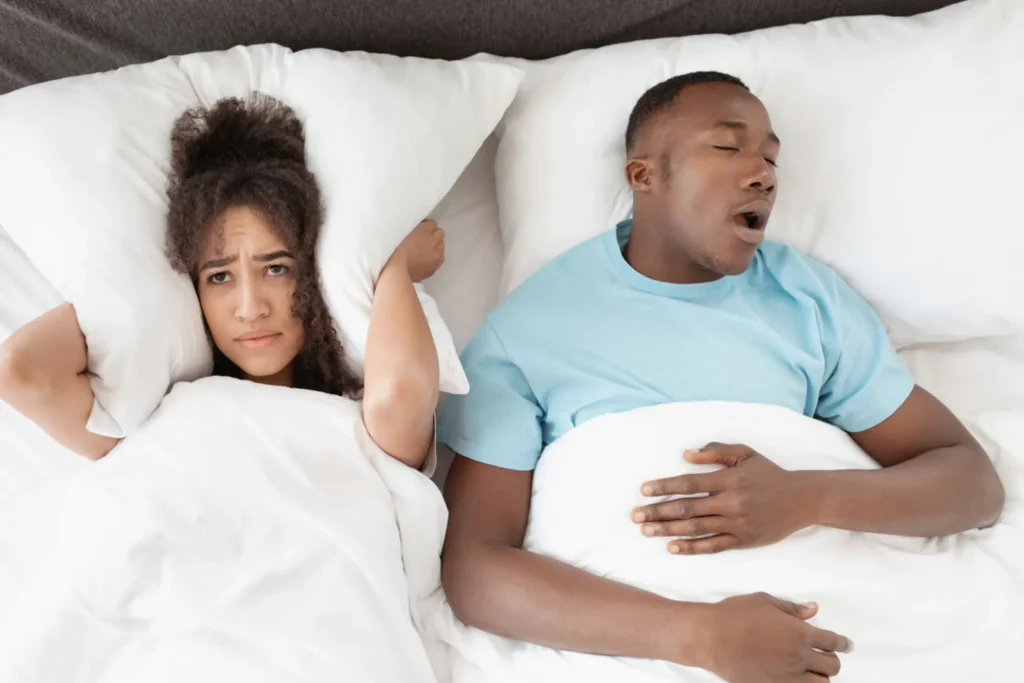
Reality: Snoring often shows up alongside poor sleep quality, relationship friction, and next-day brain fog. It can also be a sign that it’s time to screen for something bigger, like sleep-disordered breathing.
Right now, sleep is having a moment. People are buying pillows, tracking sleep scores, testing “biohacks,” and swapping travel-fatigue stories in group chats. Meanwhile, partners are negotiating bedtime like it’s a workplace policy update. If you’re wondering where an anti snoring mouthpiece fits in this gadget-heavy landscape, this guide keeps it practical and safety-first.
The big picture: why snoring and sleep quality are trending
Snoring is a sound problem, but it’s also a sleep problem. When sleep gets choppy, everything feels harder. Focus dips, workouts feel heavier, and patience runs out faster.
That’s why the “fix my sleep” trend keeps growing. People want fast solutions. They also want something that doesn’t require a full lifestyle overhaul.
Snoring isn’t the whole story
Some headlines have emphasized a key point: you can have sleep apnea even if you don’t snore. That’s important because many people wait for a “classic” symptom before getting checked.
If you’re curious about how symptoms can spill into daily life, read this high-level overview here: What I Wish I Knew: How Much OSA Symptoms Would Affect My Sleep and Daily Life.
The emotional side: it’s not “just snoring” in real life
Snoring can turn bedtime into a low-grade stressor. One person worries they’re keeping the other awake. The other person feels guilty for being annoyed. Add travel fatigue, a packed work calendar, or burnout, and the tension builds quickly.
Humor helps—until it doesn’t. If you’re using jokes to avoid the topic, that’s a sign you may need a calmer plan.
Two common (and normal) worries
- “What if it’s something serious?” That’s a reasonable thought. Snoring can be harmless, but it can also be a flag to screen for sleep apnea.
- “What if I buy the wrong thing?” Sleep gadgets are everywhere. A simple trial plan keeps you from collecting expensive drawer clutter.
Practical steps: a no-drama way to test what helps
Think of snoring like a leak. You don’t replace the whole roof first. You find the source.
Step 1: Notice your snoring pattern (without over-tracking)
For one week, keep it basic. Note what changes snoring: back sleeping, alcohol, congestion, late meals, or travel days. If you share a room, ask your partner for simple feedback like “louder/softer” rather than a full report.
Step 2: Start with the low-risk environment changes
Many people try pillows, side-sleep supports, or bedroom tweaks first. That can be reasonable, especially if your snoring spikes when you sleep on your back. Just remember: comfort products may reduce noise without addressing breathing issues.
Step 3: Where an anti snoring mouthpiece may fit
A mouthpiece is often considered when snoring seems related to jaw position and relaxed throat tissues during sleep. The goal is to support airflow by changing oral posture. It’s not a cure-all, and it’s not a substitute for medical evaluation when red flags are present.
If you’re comparing devices, you can review anti snoring mouthpiece to understand the general category and what to look for.
Step 4: Be cautious with “viral” sleep hacks
Mouth taping has been discussed widely. Some people use it to encourage nasal breathing, but it’s not a casual add-on for everyone. If you have nasal congestion, allergies, reflux, or any concern for sleep apnea, don’t experiment without medical guidance.
When a trend spreads faster than safety info, slow down. Your airway isn’t a place for guesswork.
Safety and screening: reduce risk and document your choice
If you’re trying any snoring device, treat it like a short, documented trial. That protects your health and helps you make a clearer decision.
Quick screening signals to take seriously
- Waking up gasping, choking, or with a racing heart
- Witnessed pauses in breathing
- Significant daytime sleepiness, morning headaches, or concentration problems
- High blood pressure or other cardiometabolic concerns (talk to your clinician)
If these show up, prioritize screening for sleep apnea. A mouthpiece may still have a role, but you’ll want the right plan.
Trial checklist for a mouthpiece (keep it simple)
- Start low and slow: Use it for short periods at first if the product guidance allows.
- Track only what matters: snoring volume (partner rating), morning jaw comfort, and daytime alertness.
- Stop if pain shows up: tooth pain, jaw pain, numbness, or worsening headaches are not “push through it” symptoms.
- Keep it clean: Follow cleaning instructions to reduce irritation and infection risk.
When to involve a professional
If you have dental work, TMJ issues, loose teeth, or persistent jaw clicking, talk to a dentist before using an oral device. If sleep apnea is a concern, a sleep clinician can help you choose the safest next step.
FAQ: quick answers people are searching for
Do anti-snoring mouthpieces stop snoring for everyone?
No. They help some people, but snoring has multiple causes.
Can you have sleep apnea if you don’t snore?
Yes. Snoring is common, but not required for sleep apnea.
Is mouth taping safe for snoring?
Not always. Avoid it if you have nasal blockage or possible sleep apnea, and ask a clinician if unsure.
What’s the difference between a mouthpiece and a chin strap?
A mouthpiece changes jaw/tongue position. A chin strap mainly supports mouth closure.
How long should you trial a mouthpiece before deciding?
Often 1–2 weeks is enough to notice trends. Stop earlier if you develop pain.
Next step: get a clear explanation before you buy
If you want a straightforward overview before trying anything, start here:
How do anti-snoring mouthpieces work?
Medical disclaimer: This article is for general education and does not provide medical advice, diagnosis, or treatment. If you suspect sleep apnea or have persistent symptoms, talk with a qualified clinician or dentist for personalized guidance.