
Myth: Snoring is just “noise,” so any random gadget will do.
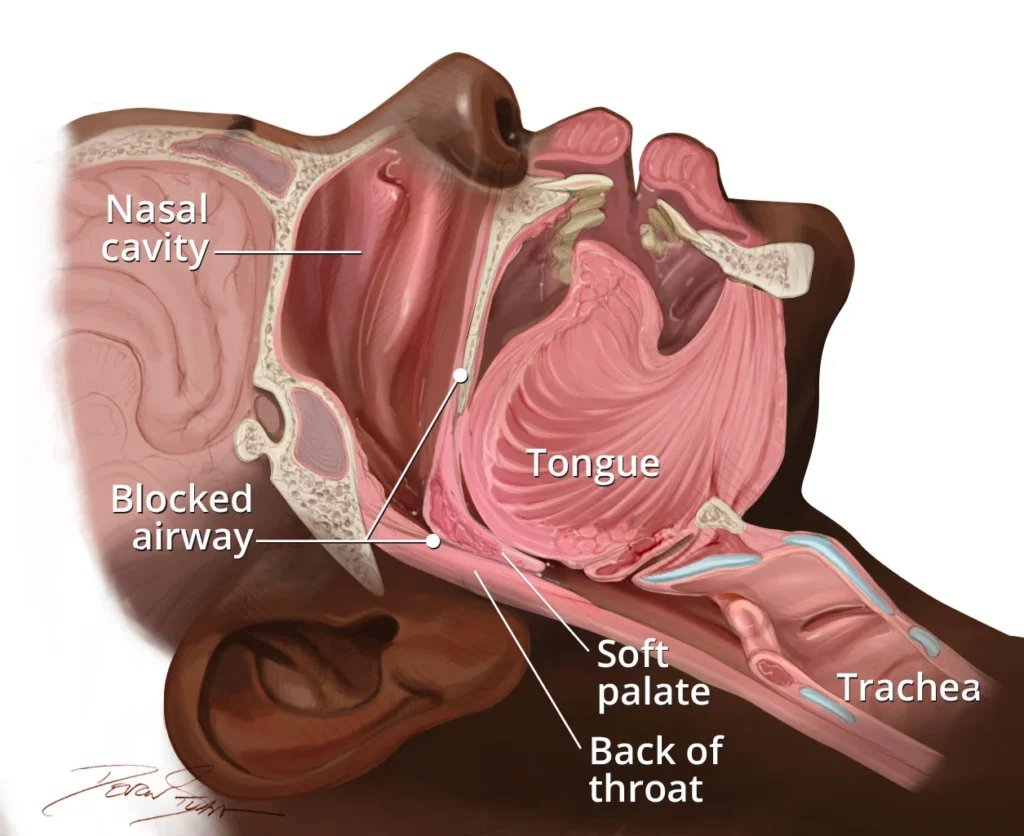
Reality: Snoring is airflow plus vibration. The right fix depends on why your airway is getting crowded at night.
Right now, sleep is having a moment. People are buying trackers, testing viral hacks, and joking about “sleep divorces” after a partner’s nightly chainsaw impression. Add travel fatigue, daylight savings whiplash, and workplace burnout, and it makes sense that anti-snoring solutions are trending.
Overview: where an anti snoring mouthpiece fits
An anti snoring mouthpiece is designed to support your airway by changing how your jaw and tongue sit during sleep. For many snorers, that positioning change can reduce vibration and help quiet things down.
This is also why the anti-snore device market keeps expanding—there’s demand for practical, at-home options. Just remember: snoring can sometimes overlap with sleep apnea, which needs medical evaluation.
For a broader look at timing-related sleep disruption (like clock changes), see Snooze smarter with these Campus Health sleep hygiene tips.
Timing: when to test, tweak, and judge results
Don’t decide after one rough night. Your body needs a short adjustment window, and your sleep varies with stress, alcohol, congestion, and schedule changes.
Pick a clean test window
Choose 5–10 nights when you can keep bedtime fairly steady. Avoid judging the device on a night you’re jet-lagged, sick, or coming off a late shift.
Time it around common “snore spikes”
- Daylight savings weeks: sleep timing shifts can make snoring feel worse.
- Travel weeks: dry hotel air, fatigue, and alcohol can stack the deck.
- Burnout weeks: stress can fragment sleep and amplify partner complaints.
Supplies: what you’ll want before night one
- The mouthpiece (and any case it comes with)
- A simple way to track outcomes: notes app, paper log, or your sleep app
- Basic oral care items: toothbrush, mild soap or cleaner as directed
- Optional: nasal strips or saline rinse if you deal with congestion
If you’re shopping, start with a focused page of anti snoring mouthpiece so you can compare styles without getting lost in hype.
Step-by-step (ICI): Identify → Customize → Implement
1) Identify what’s driving your snoring (quick screen)
- Position: Worse on your back? That often points to airway crowding that positioning can influence.
- Nasal vs mouth breathing: Chronic congestion can push you into open-mouth breathing.
- Alcohol and late meals: These can relax tissues and increase vibration.
- Red flags: Choking/gasping, witnessed pauses, morning headaches, or heavy daytime sleepiness.
If red flags show up, don’t self-experiment forever. Consider a clinician evaluation to rule out sleep apnea.
2) Customize for comfort and consistency
Follow the product’s fitting instructions exactly. A mouthpiece that’s “kind of” fitted often becomes a drawer item by night three.
- Make fit changes gradually if the device allows it.
- Prioritize comfort over aggressive adjustment.
- Stop if you develop significant jaw pain, tooth pain, or gum irritation.
3) Implement like a simple experiment
Use the device the same way each night for your test window. Keep the rest of your routine boring and repeatable.
- Before bed: Brush, fit the device, and avoid last-minute scrolling.
- During the night: If you remove it, note why (pressure, gagging, dryness).
- In the morning: Log snoring feedback (partner report or audio), how rested you feel, and any jaw soreness.
Mistakes that waste money (and sleep)
Chasing every trend at once
Mouth taping, new pillows, new supplements, and a mouthpiece in the same week makes it impossible to tell what helped. Some trends also carry risks if you have nasal blockage or breathing issues.
Ignoring the “why” behind the noise
A mouthpiece may help when jaw position contributes to snoring. It won’t fix every cause, and it won’t replace treatment for sleep apnea.
Over-tightening or pushing through pain
Discomfort is a signal, not a challenge. If your jaw feels worse over time, stop and reassess fit or talk to a professional.
Judging success by silence alone
Quiet is nice, but the real win is sleep quality. Track morning energy, fewer awakenings, and fewer partner nudges.
FAQ
Do anti-snoring mouthpieces work for everyone?
No. They can help when snoring is related to jaw position and airway narrowing, but they won’t fix every cause of snoring.
How fast should an anti snoring mouthpiece help?
Some people notice changes the first night, but comfort and fit often take several nights to settle in.
Is loud snoring always harmless?
No. Persistent loud snoring, choking/gasping, or heavy daytime sleepiness can be signs of sleep apnea and should be evaluated by a clinician.
Can I use a mouthpiece if I have jaw pain or TMJ?
Use caution. If you have TMJ symptoms, dental issues, or jaw pain, talk with a dentist or clinician before using a device.
Should I try mouth tape instead?
Mouth taping is a trend, but it has risks and isn’t appropriate for everyone. If you try it, prioritize safety and stop if you feel restricted breathing.
What else improves sleep quality alongside a mouthpiece?
Consistent sleep/wake times, limiting alcohol near bedtime, side-sleeping, nasal breathing support, and a cooler, darker room can all help.
CTA: get a clear answer (not more noise)
If snoring is messing with your sleep, your relationship, or your focus at work, don’t rely on guesswork. Use one tool, track results, and keep it simple.
How do anti-snoring mouthpieces work?
Medical disclaimer: This article is for general education only and is not medical advice. Snoring can be a sign of a medical condition, including sleep apnea. If you have breathing pauses, choking/gasping, significant daytime sleepiness, chest pain, or persistent symptoms, seek evaluation from a qualified clinician.