
- Snoring is trending because sleep has become a productivity tool—and a relationship peace treaty.
- Sleep gadgets are everywhere, but fewer choices actually match your snoring style.
- An anti snoring mouthpiece is one of the most talked-about options because it targets airway position, not just sound.
- Travel fatigue and burnout can make snoring feel worse, even if nothing “new” is happening.
- Safety matters: if snoring comes with gasping, choking, or heavy daytime sleepiness, get checked before you self-experiment.
The big picture: why snoring is having a moment
Snoring used to be a punchline. Now it’s a health-and-lifestyle headline. People are tracking sleep scores, buying smart rings, and swapping bedtime “protocols” the way they used to swap coffee recommendations.
At the same time, the conversation is widening. You’ll see more talk about airways and dental approaches in wellness circles, including topics like Airway-Focused Dentistry: Dallas Pediatric Wellness Revolution. Even if you’re shopping for adult solutions, it’s a reminder that breathing, anatomy, and sleep quality are connected.
The emotional side: snoring isn’t just noise
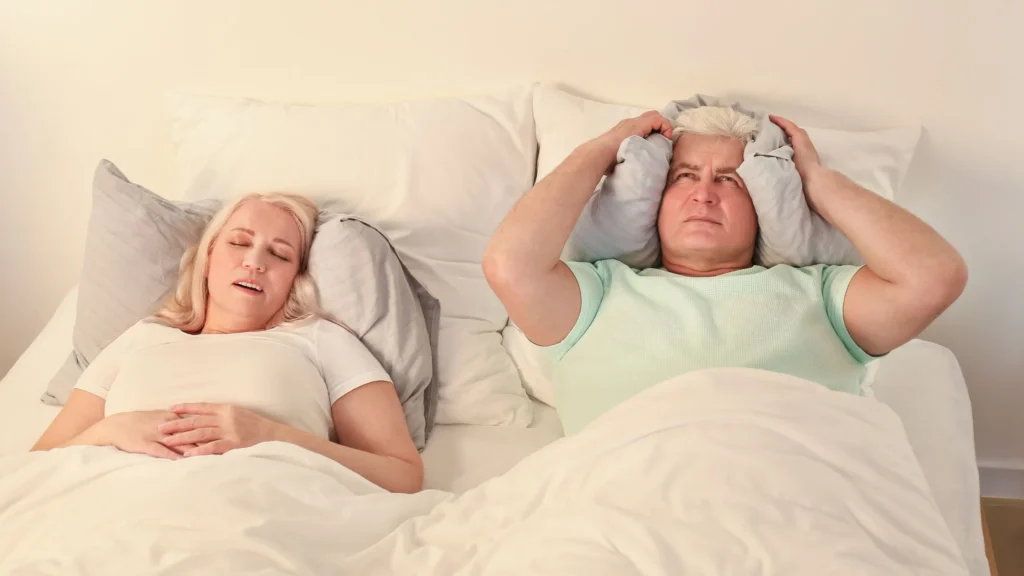
Snoring can turn bedtime into a negotiation. One person wants rest. The other person wants to stop being recorded at 2 a.m. for “evidence.” That tension adds stress, and stress can make sleep lighter and more fragile.
Workplace burnout doesn’t help. When your nervous system runs hot, you can become more sensitive to disruptions. A small snore can feel like a megaphone when you’re already depleted.
Travel can be its own snoring accelerator. New pillows, dry hotel air, late meals, and irregular sleep times can stack up. The result is a rough night for you—and everyone within earshot.
Practical steps: where an anti snoring mouthpiece fits
Not all snoring is the same. Some people snore mostly on their back. Others snore after alcohol, during allergy season, or when they’re overtired. The best first move is to identify patterns, not to buy five devices at once.
What a mouthpiece is trying to do
Many anti-snoring mouthpieces aim to support the lower jaw in a forward position or stabilize the mouth in a way that reduces airway narrowing. In plain terms: it’s a small mechanical change meant to make breathing smoother at night.
This approach is popular because it’s simple and portable. It also fits the current “sleep gadget” culture—except it’s less about data and more about anatomy.
Who tends to consider one
A mouthpiece often comes up when:
- You snore consistently and want a non-surgical, non-medication option.
- Your partner is losing sleep (or you are).
- You want something easier to travel with than a full setup.
If you’re exploring combos, some people also look at options like an anti snoring mouthpiece to cover more than one snoring pattern.
Small moves that can boost results
Even the best device can struggle against a chaotic schedule. A few low-effort supports can make a difference:
- Side-sleep setup: if your snoring is position-driven, side sleep can reduce it for some people.
- Earlier wind-down: late-night scrolling can keep sleep shallow and fragmented.
- Consistent timing: irregular bedtimes can worsen perceived sleep quality, especially during stressful weeks.
Safety and “reality testing” before you commit
Sleep trends move fast. One week it’s a new wearable. Next week it’s a viral hack. That doesn’t mean the idea is wrong, but it does mean you should sanity-check it.
Watch for red flags
Talk to a clinician if you notice any of the following, especially if they’re frequent:
- Choking or gasping during sleep
- Pauses in breathing reported by a partner
- Morning headaches, high sleepiness, or dozing off easily
- High blood pressure concerns or heart-related risk factors
Be cautious with DIY breathing hacks
Some headlines have highlighted mouth taping and similar tactics. These topics often include both potential upsides and real risks. If you have nasal obstruction, allergies, or possible sleep apnea, don’t treat a social-media tip like a medical plan.
Comfort checks for mouthpieces
A mouthpiece shouldn’t feel like a punishment. If you try one, pay attention to:
- Jaw discomfort: mild soreness can happen early; sharp or worsening pain is a stop-and-rethink signal.
- Tooth or gum irritation: fit matters for comfort and consistency.
- Morning bite changes: if your bite feels “off” and it doesn’t resolve, consult a dental professional.
FAQs
Do anti-snoring mouthpieces work for everyone?
No. They can help some people who snore due to jaw/tongue position, but they won’t fix every cause of snoring.
How long does it take to get used to an anti snoring mouthpiece?
Many people need a few nights to a couple of weeks to adapt. Mild soreness or extra saliva can happen early on.
Is snoring always a sign of sleep apnea?
Not always, but loud or frequent snoring—especially with choking, gasping, or daytime sleepiness—can be a warning sign worth discussing with a clinician.
Can a mouthpiece improve sleep quality even if I don’t wake up at night?
It might. If snoring is disrupting breathing or sleep stages, reducing it can help you feel more refreshed.
Are “sleep hacks” like mouth tape safe?
Safety depends on the person. If you have nasal congestion, breathing issues, or possible sleep apnea, don’t experiment without medical guidance.
What’s the difference between a mouthpiece and a chin strap?
A mouthpiece aims to reposition the jaw or stabilize the tongue area. A chin strap mainly supports the jaw staying closed, which may help some snorers.
CTA: pick one next step you’ll actually do tonight
If snoring is messing with your sleep quality (and your household mood), keep it simple. Track your pattern for a few nights, then choose one solution to test consistently rather than cycling through random gadgets.
How do anti-snoring mouthpieces work?
Medical disclaimer: This article is for general education only and isn’t medical advice. Snoring can have many causes. If you suspect sleep apnea or have concerning symptoms (gasping, breathing pauses, severe daytime sleepiness), seek evaluation from a qualified clinician.