
Is snoring “just annoying,” or is it wrecking your sleep quality?
Are you seeing more sleep gadgets everywhere and wondering what actually helps?
And if you’re considering an anti snoring mouthpiece, what’s a reasonable way to test it without guessing?
Those three questions are basically what people are talking about right now. Sleep is having a cultural moment: wearable scores, travel fatigue, “biohacking” routines, and the very real burnout that makes everyone short-tempered by 9 p.m. Add relationship humor (the “who’s sleeping on the couch tonight?” debate) and it’s easy to see why anti-snoring products keep popping up in headlines.
The big picture: why snoring is suddenly everyone’s problem
Snoring isn’t new. What’s new is how little patience we have for bad sleep. Hybrid work blurred boundaries, stress stayed high, and many people are trying to “optimize” rest with devices, apps, and new bedtime rules.
At the same time, the anti-snoring device space is getting more crowded. Market coverage has been highlighting competition, new product launches, and sustainability goals in the category. If you feel like you’re seeing more options than ever, you are.
If you want the broader context, here’s a related read: Anti-snoring Devices Market Competitive Landscape Report 2025: Top Players Analysis, Profiles, Strategic Developments, Mergers, Product Innovations and Launches, Sustainability Goals, Revenue Insights.
The emotional side: pressure, resentment, and “sleep negotiations”
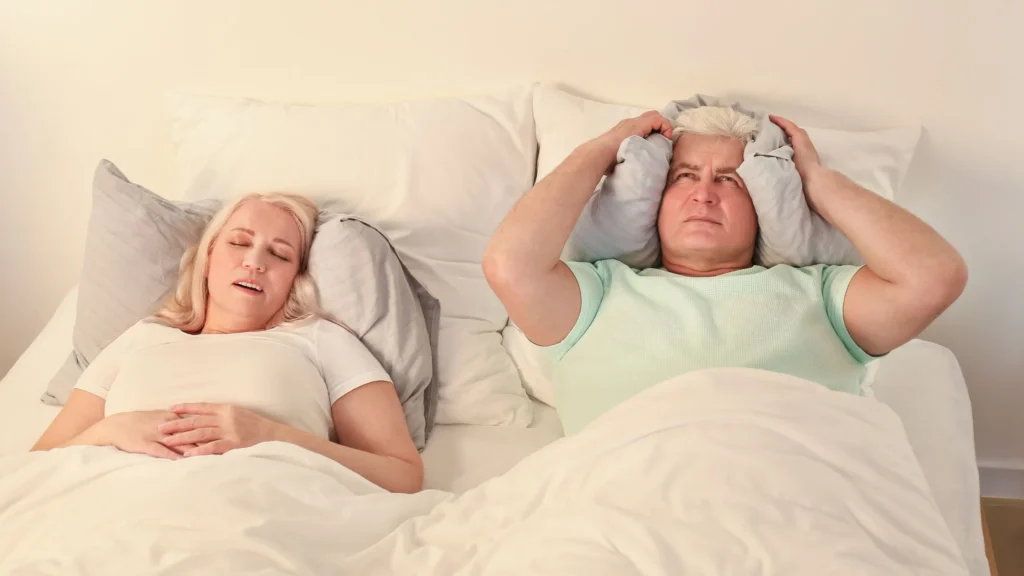
Snoring rarely stays a solo issue. It becomes a couple issue, a roommate issue, or a travel issue. One person feels judged. The other feels desperate for quiet. Then both feel tired, and everything gets harder to talk about.
Try naming the problem clearly: “We’re not sleeping well.” That phrase lands better than “You keep snoring.” It also keeps the focus on a shared goal: better sleep quality for both people.
Why burnout makes snoring feel louder
When you’re already running on fumes, small disruptions feel huge. A few wake-ups can snowball into a rough workday, more caffeine, a later bedtime, and another night of fragmented sleep. That loop is why quick fixes are so tempting.
Practical steps: a no-drama plan to try first
Before you buy anything, run a simple two-track plan for 7–14 nights. You’re looking for patterns, not perfection.
Track the basics (without turning sleep into homework)
- Timing: bedtime, wake time, and any long awakenings.
- Triggers: alcohol close to bedtime, heavy late meals, congestion, or very late screen time.
- Position: back vs side sleeping (many people snore more on their back).
- Impact: morning dry mouth, headaches, or daytime sleepiness.
Try low-effort adjustments that often help
- Side-sleep support: a pillow setup that keeps you from rolling onto your back.
- Nasal comfort: address stuffiness so you’re not forced into mouth-breathing.
- Cut the “nightcap window”: avoid alcohol close to bedtime if you notice it worsens snoring.
- Protect the bedroom: cool, dark, quiet—especially if travel fatigue or shift changes have you off-rhythm.
Where an anti snoring mouthpiece fits
An anti snoring mouthpiece is usually designed to help by improving airflow during sleep, often by influencing jaw or tongue position. It’s not a “sleep gadget” in the trendy sense, but it’s a practical tool people reach for when snoring is consistent and positional fixes aren’t enough.
If you’re comparing options, it can help to decide what you need most: comfort, adjustability, or a combined approach (for example, pairing mouth support with a strap for mouth-breathing tendencies). If you want to explore a combo option, here’s a relevant product page: anti snoring mouthpiece.
Safety and testing: how to be smart about it
Snoring can be harmless, but it can also overlap with sleep apnea. Several recent pieces have emphasized the importance of not brushing off symptoms when the pattern seems intense or when daytime functioning is affected.
Red flags to take seriously
- Breathing pauses, choking, or gasping during sleep (often reported by a partner)
- Excessive daytime sleepiness, irritability, or concentration problems
- Morning headaches or high blood pressure concerns
- Snoring that persists even with side-sleeping and lifestyle tweaks
A reasonable “trial” approach for a mouthpiece
- Start gradual: wear it for shorter periods before a full night if needed.
- Watch for jaw issues: mild soreness can happen early, but sharp pain is a stop sign.
- Measure outcomes: fewer awakenings, improved partner sleep, and better morning energy matter more than any app score.
- Keep communication simple: agree on a check-in after one week, not nightly commentary.
Medical disclaimer: This article is for general education and does not provide medical advice, diagnosis, or treatment. If you suspect sleep apnea or have persistent symptoms (gasping, breathing pauses, severe sleepiness, or chest pain), talk with a qualified clinician or dentist for personalized guidance.
FAQ: quick answers people want before buying
Is snoring always a health problem?
Not always. Still, loud or worsening snoring can signal airway issues, and it can seriously impact sleep quality for you and anyone nearby.
What if my partner is the one who snores?
Keep it team-based. Focus on shared sleep goals, agree on a trial plan, and avoid blaming language when everyone is tired.
Can travel make snoring worse?
It can. Dry hotel air, congestion, alcohol at events, and sleep debt can all stack the deck toward louder nights.
CTA: get a clear answer, then pick your next step
If you’re trying to decide whether a mouthpiece is worth it, start by understanding the mechanism and what to expect.