
On the last night of a work trip, “Alex” fell asleep in a hotel bed that felt like a brick. The room was quiet, the blackout curtains were perfect, and the sleep tracker was ready to deliver a victory lap. Then the snoring started—loud enough to earn a pillow-to-the-couch migration and a few relationship jokes the next morning.
That story is everywhere right now. People are juggling travel fatigue, burnout, and a growing pile of sleep gadgets. In the middle of it all, the humble anti snoring mouthpiece keeps popping up as a practical, budget-friendly option.
What people are trying right now (and why)
Sleep has become a mini-obsession. You’ll see smart rings, white-noise machines, mouth tape debates, and “best device” lists shared in group chats. Some folks even try chin straps or belts marketed for snoring, especially when they want a quick fix before a vacation or a big presentation.
There’s also a more serious undertone in recent health coverage: snoring isn’t always “just snoring.” More articles are pushing people to learn the red flags of obstructive sleep apnea and to stop brushing off daytime exhaustion as normal adult life.
Why the trend makes sense
- Workplace burnout makes bad sleep feel urgent, not optional.
- Relationship pressure turns snoring into a nightly negotiation.
- Travel amplifies snoring with dry air, alcohol, and irregular schedules.
- Device fatigue pushes people toward simpler tools that don’t need charging.
The sleep-health part people miss
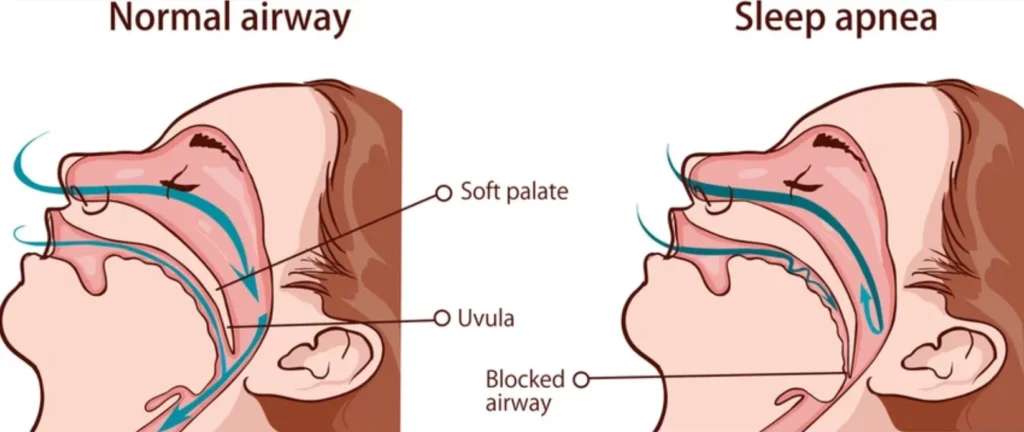
Snoring is the sound of airflow causing tissues in the upper airway to vibrate. Sometimes it’s mainly about position, congestion, or alcohol. Other times it can overlap with a bigger issue: obstructive sleep apnea, where the airway repeatedly narrows or collapses during sleep.
If you want a quick, reputable overview, skim What I Wish I Knew About Obstructive Sleep Apnea. It’s a good reminder that loud snoring plus certain symptoms should not be treated like a joke.
Clues that snoring is hurting sleep quality
- You wake up tired despite enough hours in bed.
- Your partner notices pauses, gasping, or choking sounds.
- You wake with dry mouth, headaches, or a sore throat.
- You feel foggy, irritable, or unusually sleepy during the day.
Medical note: Sleep apnea is linked in medical guidance to important health risks. This article can’t diagnose you. Use it to get oriented, then talk to a clinician if symptoms fit.
What you can try at home (without wasting a cycle)
Think of snoring like a “narrow hallway” problem. Your goal is to make airflow smoother and reduce collapse. Start with the lowest-effort changes, then add tools if needed.
Step 1: Run a quick, cheap checklist
- Side-sleep test: Try two nights mostly on your side. Notice volume and morning energy.
- Alcohol timing: If you drink, avoid it close to bedtime for a few nights and compare.
- Nasal comfort: Manage stuffiness with simple, non-prescription approaches you tolerate well (saline rinse, humidifier). If you’re unsure, ask a pharmacist or clinician.
- Bedroom basics: Cooler room, consistent bedtime, and less late scrolling often help more than people expect.
Step 2: Consider a mouthpiece if the pattern fits
An anti-snoring mouthpiece typically works by supporting the jaw and tongue position to keep the airway more open. It’s not a “tech” solution, which is the point. No app. No battery. Just consistent use.
If you’re shopping, start with comfort and fit. Look for clear sizing guidance, return policies, and materials you can tolerate. You can browse anti snoring mouthpiece to compare styles and decide what matches your budget and sensitivity.
Step 3: Set a two-week trial that’s actually measurable
- Pick one change at a time (mouthpiece + everything else changed = no clear answer).
- Track two outcomes: partner-reported snoring + your morning alertness.
- Watch comfort: mild adjustment is common; sharp jaw pain is not a “push through it” situation.
When it’s time to stop experimenting and get help
At-home trials are fine for uncomplicated snoring. But some patterns deserve a medical conversation sooner rather than later.
Get evaluated if you notice any of these
- Breathing pauses, choking, or gasping during sleep (reported by someone else or noticed by you).
- Significant daytime sleepiness, drowsy driving risk, or morning headaches.
- High blood pressure concerns or heart-risk discussions with your clinician.
- Snoring that is new, rapidly worsening, or paired with other worrying symptoms.
Also talk to a dental professional if you have TMJ issues, loose teeth, or ongoing jaw pain. Mouthpieces can be helpful, but they should not create a new problem.
FAQ: quick answers before you buy
Is snoring always a health problem?
No. It can be benign. Still, loud frequent snoring plus fatigue or breathing pauses should be taken seriously.
Can I use a mouthpiece if I’m a mouth breather?
Sometimes, but comfort varies. If congestion drives mouth breathing, addressing nasal comfort may improve results.
What if my partner is the one who snores?
Make it a “team” problem, not a blame problem. Agree on a short trial, track outcomes, and escalate to evaluation if red flags appear.
Next step
If you want a simple starting point that doesn’t require another subscription, consider a mouthpiece-based approach and run a short, measurable trial.
How do anti-snoring mouthpieces work?
Medical disclaimer: This content is for general education only and is not medical advice. It does not diagnose, treat, or replace care from a qualified clinician. If you suspect sleep apnea or have severe symptoms, seek professional evaluation.