
At 2:13 a.m., the hotel room is quiet—until it isn’t. One person is face-down in a pillow, the other is staring at the ceiling, mentally drafting a breakup joke for the group chat. Tomorrow is a full day of meetings, and the “travel fatigue” is already winning.
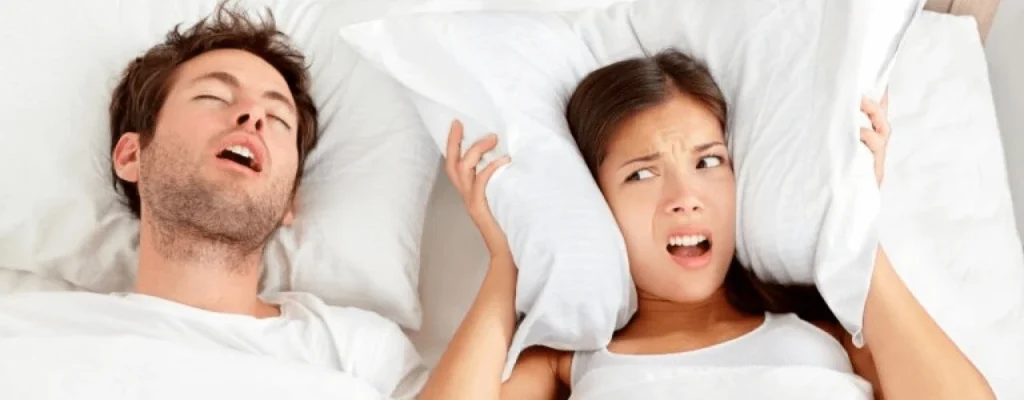
That scene is showing up everywhere right now: in workplace burnout conversations, in relationship humor, and in the growing pile of sleep gadgets people try when they’re desperate for silence. The question is simple. What actually helps snoring without creating new problems?
Why is everyone talking about snoring and sleep quality right now?
Sleep is having a moment. People are comparing mattress picks, tracking sleep scores, and swapping “sleep hygiene” checklists the way they used to swap productivity hacks. Campus health-style advice is also getting more attention, because it’s practical and low-cost.
Timing changes and packed schedules don’t help. When routines shift—think daylight savings, late-night screens, or red-eye flights—sleep can get lighter. Lighter sleep makes you more aware of every sound, including snoring.
If you want a quick refresher on basics that are often recommended in health education settings, see these Snooze smarter with these Campus Health sleep hygiene tips. They won’t stop every snore, but they can raise your baseline sleep quality.
Is snoring just annoying, or is it a sleep health red flag?
Snoring sits on a spectrum. For some people, it’s mainly a noise issue that gets worse with alcohol, congestion, or sleeping on their back. For others, it can signal airflow restriction during sleep that deserves screening.
Don’t try to “power through” if you notice warning signs. A few examples: loud snoring with choking or gasping, witnessed breathing pauses, morning headaches, or excessive daytime sleepiness. Those are reasons to talk with a clinician about evaluation rather than only buying gadgets.
What’s the first “no-gadget” checklist people are using?
Before you buy anything, tighten the basics for a week. It makes device decisions clearer, and it helps you document what changed.
Start with the simple levers
- Side sleeping: Back sleeping often makes snoring louder for many people.
- Nasal airflow: Congestion and dry air can push you toward mouth breathing.
- Alcohol timing: Evening drinks can relax airway tissues for some sleepers.
- Consistent wind-down: A repeatable routine can reduce “wired but tired” nights.
Keep it boring and trackable. Note bedtime, wake time, alcohol, congestion, and sleep position. If you later try an anti snoring mouthpiece, you’ll know what it’s actually doing.
So where does an anti snoring mouthpiece fit in?
An anti snoring mouthpiece is popular because it’s a direct, mechanical approach. Instead of hoping your sleep environment is perfect, it aims to change what’s happening in your mouth and jaw during sleep.
Different designs work differently. Some focus on jaw position, while others aim to manage tongue position or support closed-mouth breathing. The best choice depends on comfort, fit, and what seems to trigger your snoring.
How do you choose a mouthpiece without taking unnecessary risks?
Most problems people run into aren’t about “will it work.” They’re about fit, hygiene, and ignoring red flags. Use a safety-first filter.
Screen yourself before you buy
- Jaw issues: If you have TMJ pain, locking, or frequent jaw clicking, be cautious and consider professional guidance.
- Dental concerns: Loose teeth, active gum problems, or recent dental work can make DIY devices a bad idea.
- Breathing symptoms: Choking/gasping or suspected sleep apnea should move you toward medical screening.
Reduce infection and irritation risk
- Choose materials and instructions that are clear and easy to follow.
- Clean and dry the device thoroughly; replace it if it degrades.
- Don’t share mouthpieces. It’s not worth it.
Document what you’re doing (yes, really)
If you’re trying to improve sleep in a household—or you’re troubleshooting fatigue for work—write down what you used, how often, and what changed. It helps you avoid endless “maybe it helped?” debates.
What about chin straps, belts, and other trending anti-snore gear?
The current gadget wave includes everything from positional aids to chin straps. Some people like combo approaches because snoring can be multi-factorial: mouth breathing, sleep position, and jaw posture can stack together.
If you’re exploring a combined option, look for something designed to work as a set rather than forcing two random products to cooperate. One example is this anti snoring mouthpiece, which is positioned for people who want both mouth and jaw support in one plan.
How can you tell if it’s helping your sleep (not just making you feel busy)?
Skip the hype and measure simple outcomes for 10–14 nights:
- Partner report: fewer wake-ups, lower volume, less frequent snoring.
- Your morning check: less dry mouth, fewer headaches, better alertness.
- Comfort: no escalating jaw or tooth pain.
If snoring improves but you feel worse, don’t ignore that. Sleep quality is the goal, not just a quieter room.
Common mistakes people make with mouthpieces
- Forcing it through pain: discomfort that ramps up is a stop sign.
- Changing too many variables: new pillow, new mattress, new device, new supplements—then no one knows what worked.
- Skipping screening: treating suspected sleep apnea with gadgets alone can delay care.
- Sloppy cleaning: it can lead to irritation and bad smells fast.
FAQ: quick answers before you shop
Do anti-snoring mouthpieces work for everyone?
No. They help some people, but snoring has multiple causes.
Is loud snoring always a health problem?
Not always. Still, certain symptoms should prompt screening.
What’s the difference between a mouthpiece and a chin strap?
They target different mechanisms. Some people use one, others try a combined approach.
How long does it take to get used to an anti-snoring mouthpiece?
Often a short adjustment period. Stop if you get meaningful pain or bite changes.
How do I clean a mouthpiece safely?
Follow manufacturer directions, dry it fully, and replace it when worn.
When should I skip self-treatment and see a clinician?
Breathing pauses, choking/gasping, severe sleepiness, or sudden changes are key reasons.
Next step: pick one plan and run a short trial
If you want a practical starting point, choose one change at a time. Keep your notes. Give it enough nights to be fair, then decide.
How do anti-snoring mouthpieces work?
Medical disclaimer: This article is for general education only and does not provide medical advice, diagnosis, or treatment. If you suspect sleep apnea or have significant symptoms (gasping, breathing pauses, chest pain, severe daytime sleepiness), seek evaluation from a qualified clinician.