
Before you try anything for snoring, run this quick checklist:
- Confirm the pattern: most nights or only after alcohol, travel, or a cold?
- Check your position: worse on your back vs. your side?
- Watch the “day-after” signs: morning headaches, dry mouth, brain fog, irritability.
- Rule out red flags: choking/gasping, pauses in breathing, high daytime sleepiness.
- Pick one change at a time: otherwise you won’t know what worked.
The big picture: why snoring is suddenly everywhere
Snoring isn’t new. The attention is. Sleep trackers, smart rings, and “sleep score” culture turned nighttime noise into a measurable problem. Add workplace burnout, doomscrolling, and travel fatigue, and people want fast fixes that feel practical.
That’s also why the anti-snoring device space keeps expanding. You’ll see everything from mouthpieces to belts and chin straps. The hype can be loud, so your plan should stay simple.
If you want a quick overview of what people are discussing right now, scan this reference on The 3 simple habit changes to make to finally cure your snoring. Use it as context, not a promise.
The emotional side: it’s not “just noise”
Snoring turns into relationship math fast. One person loses sleep. The other feels blamed for something they can’t hear. Then the jokes start: “You should sleep in the other room,” until it’s not funny.
Sleep loss also shows up at work. You may call it “burnout,” but fragmented sleep can look similar: low patience, slower thinking, and cravings that don’t quit. Fixing snoring isn’t only about being polite. It’s about getting your brain back.
Practical steps that actually move the needle
Step 1: Start with the low-effort habit levers
Snoring often spikes with a few predictable triggers. If you want an easy first pass, focus on the basics people keep returning to in popular sleep coverage:
- Alcohol timing: if you drink, keep it earlier. Late drinks often make snoring louder.
- Sleep position: back-sleeping tends to worsen snoring for many people.
- Nasal comfort: congestion and dryness can push you into mouth-breathing.
Pick one lever for a week. Don’t stack five changes and hope for clarity.
Step 2: Know where an anti snoring mouthpiece fits
An anti snoring mouthpiece is popular because it targets mechanics, not willpower. Many designs aim to keep the lower jaw and tongue from collapsing backward during sleep. That can reduce vibration and open airflow for some sleepers.
People often try mouthpieces after they’ve already cycled through gadgets: side-sleep pillows, white noise, tape experiments, and “sleep hacks” from social media. A mouthpiece can be a cleaner next step because you can test it quickly and track results.
Step 3: Consider combo solutions if mouth-breathing is part of the problem
If your snoring comes with an open mouth, drool, or a dry throat in the morning, mouth-breathing may be part of your pattern. Some people pair jaw positioning with gentle mouth-closure support.
One option to review is an anti snoring mouthpiece. The point of a combo is simple: address more than one pathway without turning bedtime into a science project.
Safety and testing: get results without guessing
Use a 10-night “proof plan”
Testing matters because snoring varies with stress, meals, and travel. Give your approach enough time to settle.
- Nights 1–3: focus on comfort and fit. Expect some adjustment.
- Nights 4–7: track snoring (partner feedback or a basic recording app) and morning energy.
- Nights 8–10: compare to baseline. Look for fewer wake-ups and better daytime focus.
Keep the scorecard simple: “Did I wake up?” “How do I feel at 10 a.m.?” “Did anyone complain?”
Red flags you shouldn’t ignore
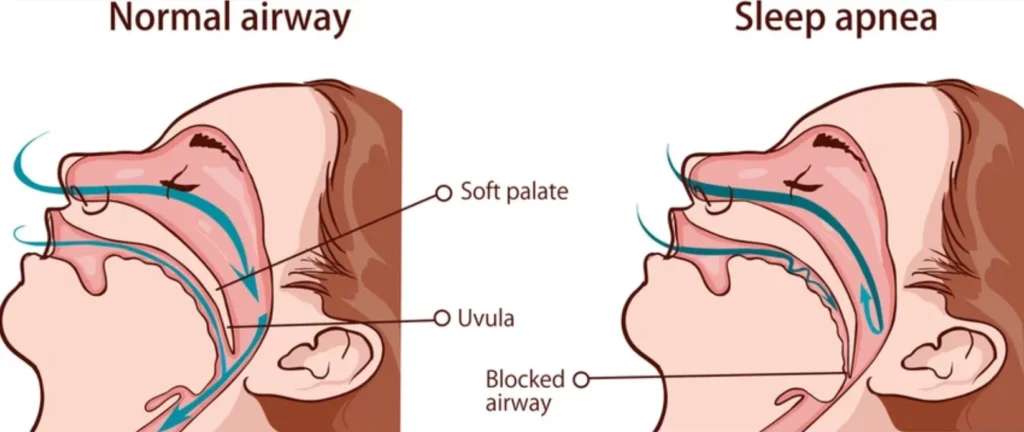
Some headlines ask the right question: is it snoring, or is it sleep apnea? You can’t diagnose that from a blog post. Still, you can watch for signs that deserve a clinician’s attention.
- Breathing pauses, choking, or gasping during sleep
- Very loud snoring most nights, especially with daytime sleepiness
- High blood pressure concerns or morning headaches that persist
If those show up, don’t “gadget your way” around it. Get evaluated.
Comfort rules (because compliance is everything)
A mouthpiece only helps if you can sleep in it. If you feel jaw pain, tooth pain, or headaches that build over time, stop and reassess. Minor adaptation is common. Ongoing pain is a signal.
FAQ
Do anti-snoring mouthpieces work for everyone?
No. They’re often a good fit for position-related snoring, but not every snoring pattern is mechanical in the same way.
How fast can an anti snoring mouthpiece help?
Some people notice change within days. Comfort and consistent sleep often take a little longer.
Is snoring the same as sleep apnea?
No. Snoring can be harmless, but it can also be a symptom. If you suspect apnea, get medical advice.
What’s better: chin strap or mouthpiece?
It depends on the cause. Mouthpieces target jaw/tongue position; chin straps support mouth closure. Some people prefer both.
Can I use a mouthpiece if I have TMJ or dental issues?
Use caution and consider professional guidance. Jaw and dental history matters with oral devices.
Next step: make your choice and keep it simple
If snoring is hurting your sleep quality, pick one path for the next 10 nights: a habit change, a positioning change, or an oral device approach. Measure the outcome. Then decide.
How do anti-snoring mouthpieces work?
Medical disclaimer: This article is for general education and does not provide medical advice, diagnosis, or treatment. If you suspect sleep apnea, have significant daytime sleepiness, or experience choking/gasping at night, seek evaluation from a qualified clinician or dentist.