
Myth: Snoring is just a loud quirk.
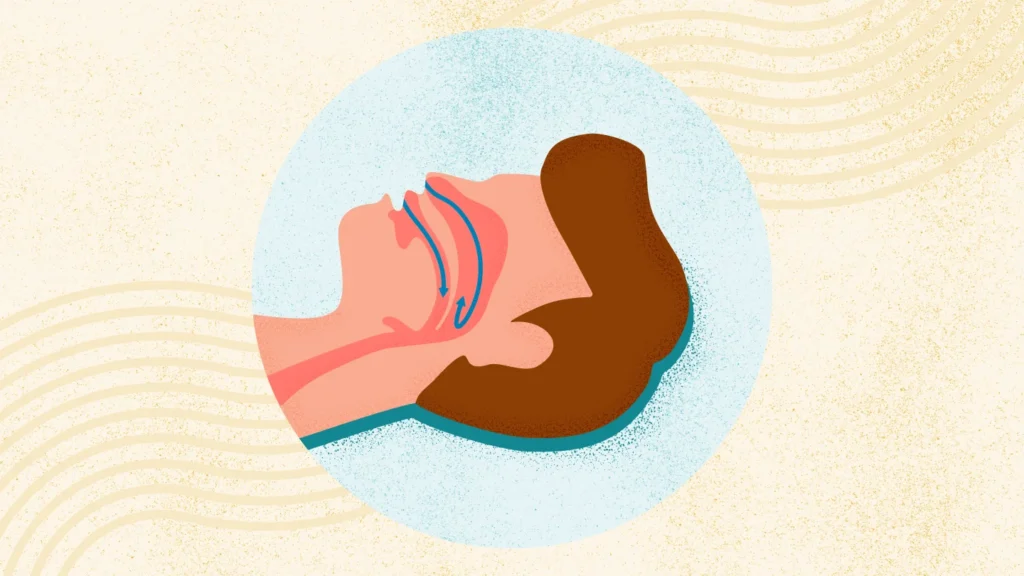
Reality: Snoring can quietly drain sleep quality, patience, and even the tone of your relationship. It’s also one of those “small” problems that gets bigger during travel fatigue, deadline weeks, and the kind of household chaos where nobody sleeps—especially parents.
Right now, sleep talk is everywhere. People are swapping tips on sleep hygiene, testing new sleep gadgets, and joking about who gets banished to the couch. Under the humor is a real need: more restful nights with less friction.
The quick reality check: what snoring is (and what it might not be)
Most snoring happens when airflow gets turbulent and soft tissues vibrate. That can be influenced by sleep position, nasal congestion, alcohol, weight changes, stress, and jaw or tongue position.
But not all noisy sleep is “just snoring.” If you hear gasping, choking, or notice severe daytime sleepiness, it’s worth asking a clinician about sleep apnea screening. Don’t try to self-diagnose from a partner’s audio recording.
Decision guide: if this is you, then do this next
Use these branches like a choose-your-own-adventure. Pick the one that matches your most common nights.
If your snoring spikes during burnout weeks, then start with the boring basics
Workplace burnout and late-night scrolling don’t just steal hours. They also fragment sleep, dry out the mouth, and make you more likely to crash into deeper sleep stages where snoring can get louder.
Try: a consistent sleep window, a wind-down routine, and a cooler/darker room. If you need family-focused ideas, scan When Kids Don’t Sleep, Parents Don’t Either. Experts Share Tips for Better Family Sleep and adapt what fits your household.
If your partner says you’re loudest on your back, then test position first
Back sleeping can let the tongue and soft palate fall back. That narrows airflow. Side sleeping often helps, and it’s a low-cost experiment.
Try: a pillow setup that makes side sleeping easier, or a gentle “don’t-roll-over” strategy. Keep it simple for a week and see if the complaints drop.
If you wake up with dry mouth or you’re a mouth-breather, then consider a mouthpiece path
Dry mouth can go hand-in-hand with open-mouth sleeping and louder snoring. This is where an anti snoring mouthpiece may be worth considering, especially if jaw or tongue position seems to be part of the problem.
Then: look at anti snoring mouthpiece and compare designs, comfort, and adjustability. Aim for something you can actually tolerate at 2 a.m. Comfort is compliance.
If your snoring started after congestion or allergies, then focus on airflow first
When the nose is blocked, people often compensate by breathing through the mouth. That can make snoring louder. A mouthpiece may not be the first win if the bottleneck is nasal.
Then: prioritize sleep environment and triggers. Think dust, dry air, and inconsistent routines. If symptoms persist, ask a clinician for guidance on underlying causes.
If you notice gasping, pauses, or heavy daytime sleepiness, then skip gadgets and get checked
It’s tempting to buy the next trending sleep device and hope for the best. Still, breathing pauses and significant fatigue deserve medical attention. That’s not “being dramatic.” It’s being smart.
Where mouthpieces fit in (without the hype)
Anti-snoring mouthpieces generally aim to improve airflow by changing jaw or tongue position. For some people, that reduces vibration and volume. For others, it’s uncomfortable or doesn’t match the root cause.
Use this rule: if your snoring sounds like a “throat rattle” and worsens on your back, a mouthpiece is more likely to be relevant than if your issue is mainly nasal blockage.
Relationship reality: the goal isn’t silence—it’s fewer bad mornings
Snoring fights rarely start with snoring. They start with exhaustion. Then come the jokes, the nudges, the separate bedrooms, and the resentment.
Agree on a two-week experiment. Pick one change at a time. Track what happened with a simple note: bedtime, alcohol late or not, position, device used, and how both of you felt in the morning.
FAQ: quick answers people are searching right now
Can an anti snoring mouthpiece help right away?
Sometimes. Give it a short adjustment period, and stop if pain or jaw issues build.
Do “sleep gadgets” replace sleep hygiene?
No. They can support better sleep, but routines and environment still do most of the heavy lifting.
What if travel makes it worse?
Travel fatigue, alcohol with dinner, and back sleeping in unfamiliar beds can all raise snoring odds. Plan for the basics first.
Call to action: choose your next step (and keep it simple)
If you want a practical, low-drama next move, start with one branch above and run a two-week test. If you’re leaning toward a mouthpiece, focus on comfort and fit—those decide whether it helps in real life.
How do anti-snoring mouthpieces work?
Medical disclaimer: This article is for general education and does not provide medical advice or diagnosis. If you suspect sleep apnea, have breathing pauses, chest pain, severe daytime sleepiness, or persistent symptoms, seek evaluation from a qualified clinician.