
Snoring used to be a punchline. Lately it feels like a productivity problem.
Between travel fatigue, wearable sleep scores, and workplace burnout, people are treating sleep like a health KPI.
Here’s the thesis: pair low-effort habit changes with a well-chosen anti snoring mouthpiece, and you give yourself the best shot at quieter nights—without guessing.
The bigger picture: why snoring is suddenly “a thing” again
Sleep gadgets are everywhere right now. So are lists of “best anti-snore devices,” plus new product launches that promise smarter comfort and better fit.
At the same time, the anti-snoring device market keeps expanding. That’s not proof any one product works for everyone. It does show how many people are actively looking for relief.
If you want a quick snapshot of the kind of everyday advice people are sharing, see this The 3 simple habit changes to make to finally cure your snoring that’s been circulating in the sleep conversation.
The emotional layer: partners, planes, and the “second shift” of sleep
Snoring isn’t only about noise. It can create a nightly negotiation: who wears earplugs, who moves to the couch, and who feels guilty in the morning.
Travel makes it worse. Dry hotel air, odd pillows, late dinners, and a little extra alcohol can turn “light snoring” into “how are you doing that?”
Burnout adds fuel too. When you’re running on fumes, you may breathe through your mouth more, sleep on your back, or keep irregular hours—all of which can make snoring more likely.
Practical steps: the low-drama plan people actually stick with
Step 1: Fix the easy inputs first
Most snoring plans start with simple habit shifts. They’re not glamorous, but they’re the foundation.
- Sleep position: Back-sleeping often makes snoring louder. Side-sleeping can help some people.
- Evening routine: Heavy meals and alcohol close to bedtime can be a snoring trigger for many.
- Nasal comfort: If you’re congested or dry, basic humidity and allergy management may reduce mouth-breathing.
Step 2: Consider an anti snoring mouthpiece for the “mechanical” part
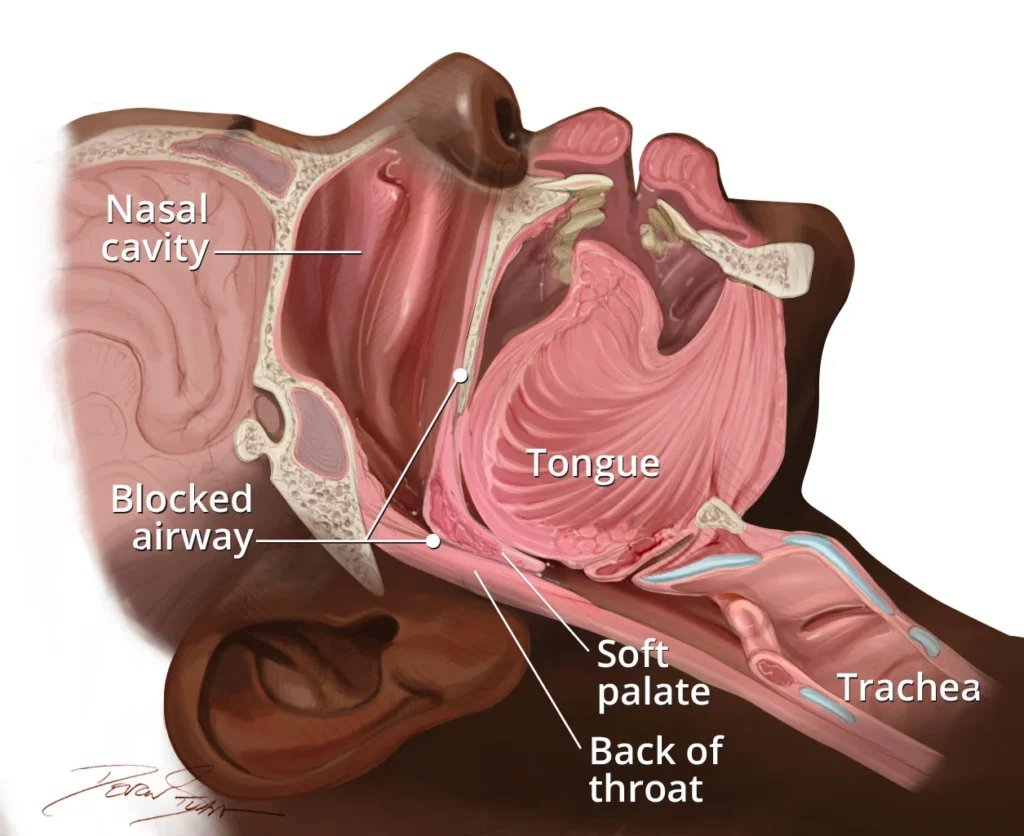
When snoring is tied to jaw or tongue position, a mouthpiece can be a practical tool. Think of it like stabilizing a door that keeps rattling: you’re reducing the vibration conditions, not “willpowering” your way to silence.
If you’re comparing options, start here: anti snoring mouthpiece. Look for clear fit guidance, materials info, and realistic comfort expectations.
Step 3: Run a 14-night mini test (and write it down)
Snoring is inconsistent, so one night doesn’t prove much. A short, documented trial lowers the chance you waste money or miss a red flag.
- Pick one change at a time for the first week (mouthpiece OR a habit tweak), then stack changes.
- Track outcomes: partner feedback, wake-ups, dry mouth, jaw soreness, and daytime sleepiness.
- Keep it simple: a notes app works. Consistency beats perfect metrics.
Safety and screening: protect your health (and your bite)
Know when snoring might be more than snoring
Snoring can be a sign of obstructive sleep apnea, which needs medical evaluation. Don’t self-treat if you have loud snoring plus choking/gasping, witnessed breathing pauses, significant daytime sleepiness, or morning headaches.
Common mouthpiece side effects to watch
Even a well-made device can cause issues in some users. Stop and reassess if you notice:
- Jaw pain that doesn’t improve after an adjustment period
- Tooth pain, gum irritation, or new sensitivity
- Bite changes or difficulty closing your teeth normally in the morning that persists
Hygiene and risk reduction (simple, but important)
Clean the device as directed, let it dry fully, and store it in a ventilated case. Replace it if it cracks, warps, or starts holding odor despite proper cleaning.
If you share a space with a partner, document what you’re using and when. It sounds formal, but it helps you spot patterns and make safer decisions faster.
FAQ: quick answers before you buy
Is a mouthpiece the same as a “mandibular advancement device”?
Some anti-snoring mouthpieces are designed to gently hold the lower jaw forward. Others focus on tongue position or mouth closure. The mechanism matters, so read the product description closely.
What if my snoring is worse when I’m congested?
Start with nasal comfort and humidity, then evaluate whether a mouthpiece still helps. Many people need a combined approach depending on the week.
Can I use a mouthpiece if I have dental work?
It depends. Crowns, bridges, implants, and orthodontic appliances can change fit and risk. When in doubt, ask your dentist before using any oral appliance.
Next step: make your nights quieter without overcomplicating it
If you want a straightforward starting point, begin with one habit change and a short, tracked trial of a mouthpiece. Keep the goal simple: fewer disruptions, better mornings.
How do anti-snoring mouthpieces work?
Medical disclaimer: This article is for general education only and isn’t medical advice. Snoring can be a symptom of sleep apnea or other conditions. If you have concerning symptoms or persistent sleep problems, seek evaluation from a qualified clinician.