
On the third night of a work trip, someone in 12B finally said it out loud: “Whoever is running a chainsaw… please stop.” The cabin laughed, the snorer didn’t wake up, and the joke followed everyone into the hotel elevator. By the next morning, half the group was shopping sleep gadgets like it was a new sport.
That’s where snoring sits right now: part health concern, part relationship comedy, part burnout problem. People want quick wins, but they also want safe choices that don’t backfire. If you’re considering an anti snoring mouthpiece, this guide keeps it practical and screening-focused.
Overview: What people are trying (and why it’s trending)
Recent sleep talk has a familiar pattern. First come the “simple habit tweaks” headlines. Then come device roundups from big publishers. Add a viral trend like mouth taping, and suddenly everyone has an opinion at brunch.
Snoring can tank sleep quality in two ways: it disrupts the snorer’s breathing and it wakes the person nearby. Either way, you end up with groggy mornings, shorter patience, and that “why am I so tired?” loop that looks a lot like workplace burnout.
If you want a quick read on the culture moment, skim The 3 simple habit changes to make to finally cure your snoring and notice the theme: start with basics, then choose a tool that matches your situation.
Timing: When to try a mouthpiece (and when to pause)
Use timing as a safety filter. It reduces wasted money and lowers the risk of missing something serious.
Good times to consider an anti-snoring mouthpiece
- Your snoring is frequent and consistent, especially on your back.
- You want a travel-friendly option that doesn’t require a full gadget setup.
- You’ve already tried simple sleep-habit adjustments and still wake up unrefreshed.
Pause and get screened first
- Someone notices breathing pauses, choking, or gasping during sleep.
- You have heavy daytime sleepiness, morning headaches, or high blood pressure concerns.
- You have significant jaw pain, TMJ issues, loose teeth, or major dental work in progress.
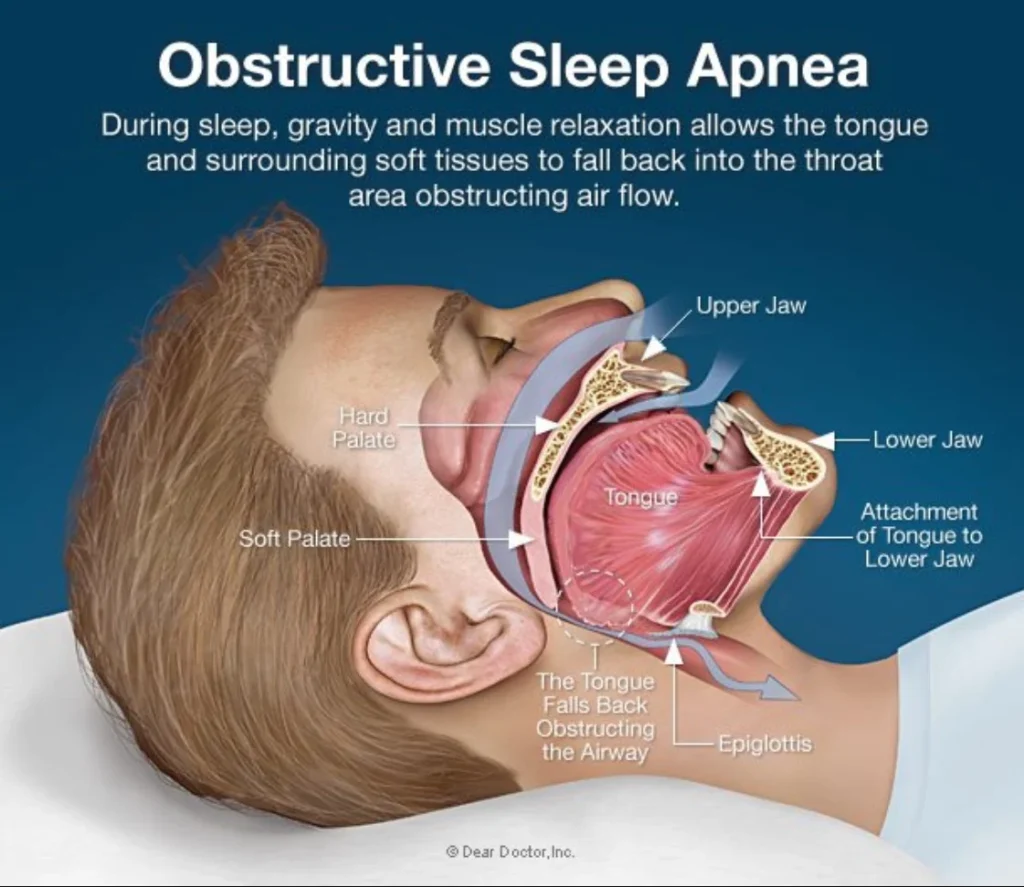
Snoring can be harmless, but it can also overlap with sleep apnea. If you suspect apnea, a clinician-guided plan is the safer next step than trial-and-error.
Supplies: What you need before you start
Keep it simple. The goal is to test one change at a time and document what happens.
- One device choice (avoid stacking multiple new gadgets in the same week).
- A way to track: notes app, sleep diary, or a simple checklist.
- Basic hygiene items: soft toothbrush, mild soap if the device allows it, and a ventilated case.
- Partner feedback (if applicable): a 10-second morning rating of noise and disruptions.
If you’re comparing options, start with a clear category rather than hype. For a focused look at anti snoring mouthpiece, prioritize fit, comfort, and return policies over bold promises.
Step-by-step (ICI): Identify → Choose → Implement
This is the no-drama workflow. It helps you avoid buying three things and knowing which one worked.
1) Identify your likely pattern
- Back-sleeping snoring: often worsens when the jaw and tongue fall back.
- Nasal congestion nights: louder snoring when you can’t breathe well through your nose.
- Alcohol or late meals: snoring spikes after certain evenings.
Write down what’s true for you for one week. Don’t aim for perfection. Aim for patterns.
2) Choose one primary lever
You’ll hear about chin straps, belts, mouth tape, and mouthpieces. The trend cycle moves fast, but your airway doesn’t care about hype.
- Habit lever: sleep position, alcohol timing, consistent sleep window.
- Nasal lever: address congestion and airflow (especially during travel fatigue).
- Oral lever: an anti-snoring mouthpiece designed to influence jaw/tongue position.
About mouth taping: it’s popular in sleep circles, but it isn’t universally safe. If you can’t reliably breathe through your nose or you suspect apnea, don’t treat taping as a casual hack.
3) Implement with a 10-night test
- Nights 1–3: focus on comfort and short wear time if needed.
- Nights 4–7: aim for full-night use and stable bedtime routines.
- Nights 8–10: evaluate trends, not one-off “bad nights.”
Track three numbers: (1) partner noise rating, (2) your morning energy, (3) any jaw/tooth discomfort. If discomfort escalates, stop and consider dental input.
Mistakes that keep nights loud (or create new problems)
Buying on vibes, not fit
Device lists are useful, but your mouth and jaw are not average. If you ignore fit and comfort, you’ll stop using it. That makes the “best device” irrelevant.
Changing three things at once
New pillow, new mouthpiece, mouth tape, and a chin strap in the same week sounds motivated. It also destroys your ability to tell what helped.
Ignoring red flags
Snoring plus choking/gasping, breathing pauses, or severe daytime sleepiness deserves screening. Don’t self-manage around those signs.
Skipping cleaning and storage
Anything that sits in your mouth needs basic hygiene. A dirty device can irritate gums and make you quit early. Use a ventilated case and follow the product’s cleaning instructions.
Expecting a mouthpiece to fix burnout
Better sleep helps resilience, but it won’t replace workload boundaries or stress support. Treat it as one part of sleep health, not a life overhaul.
FAQ: Quick answers people want right now
Can an anti snoring mouthpiece improve sleep quality?
It can, if it reduces snoring and related sleep disruption. The best signal is how you feel in the morning plus fewer awakenings (yours or your partner’s).
Do I need a gadget if a “few habits” might help?
Not always. Many people start with habit changes. If snoring persists, a mouthpiece can be a practical next tool.
What if I only snore when traveling?
Travel fatigue, dry hotel air, and schedule shifts can make snoring worse. A travel-ready plan often includes hydration, nasal support, and a consistent wind-down routine.
Is it normal to feel sore at first?
Mild, temporary discomfort can happen with oral devices. Sharp pain, lasting jaw issues, or bite changes are not “push through it” problems.
CTA: Make your next step simple
If snoring is hurting your sleep quality, pick one lever and test it for 10 nights. Document what changes. That’s how you reduce guesswork and make safer choices.
How do anti-snoring mouthpieces work?
Medical disclaimer: This article is for general education only and isn’t medical advice. Snoring can be linked to obstructive sleep apnea and other conditions. If you have breathing pauses, choking/gasping, significant daytime sleepiness, or ongoing jaw/dental pain, seek evaluation from a qualified clinician or dentist.