
Myth: Snoring is just an annoying sound.
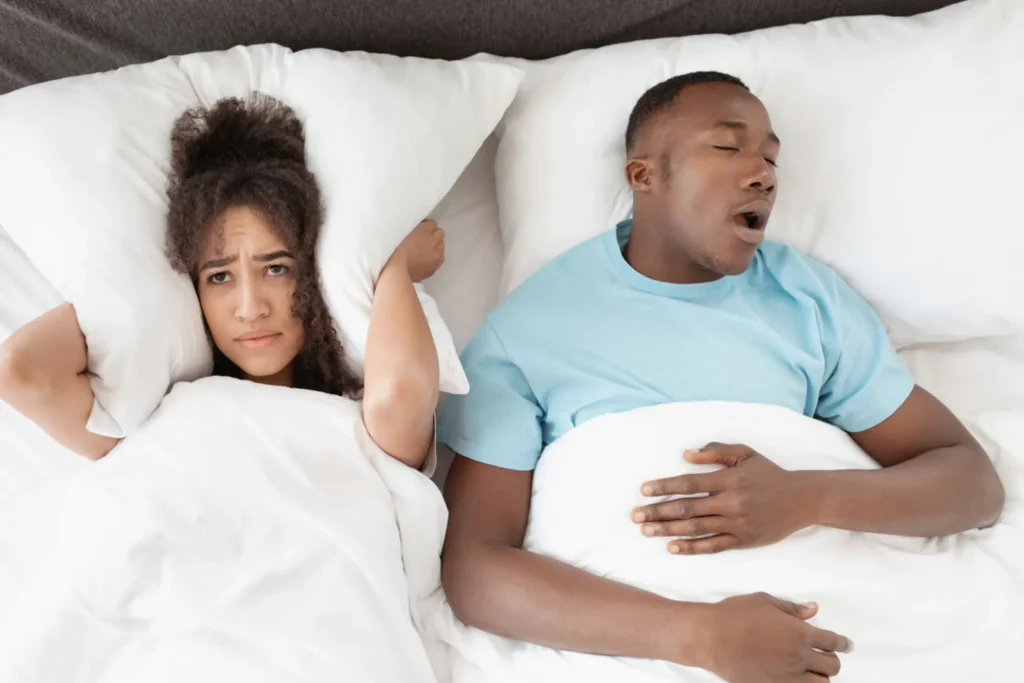
Reality: Snoring often steals sleep quality for two people, and it can be a sign your breathing is struggling at night. You don’t need a drawer full of trendy sleep gadgets to start improving things. You need a simple plan that doesn’t waste a pay cycle.
Is snoring really a “sleep quality” problem, or just a relationship joke?
Sure, snoring is comedy fuel. It shows up in travel stories, roommate rants, and the “who stole my sleep?” couple debates. But the real cost is how you feel the next day.
Broken sleep can look like brain fog, irritability, and that “burned out by 2 p.m.” slump at work. When people talk about sleep health trends right now, they’re usually reacting to that daytime drag, not just the noise.
Why does snoring feel worse around time changes, travel, and burnout?
When routines shift, sleep gets lighter and more fragmented. That makes snoring more noticeable. It also makes partners less tolerant, because everyone’s running on fumes.
Time changes get extra attention every year for a reason. If you want a mainstream, practical refresher, see these Sleep physician offers helpful tips ahead of time change. Keep expectations realistic. A mouthpiece helps mechanics, not chaos.
What’s an anti snoring mouthpiece supposed to do, in plain English?
An anti snoring mouthpiece aims to reduce airway collapse by changing what your jaw and tongue are doing during sleep. Less collapse usually means less vibration. Less vibration usually means less snoring.
Two common approaches show up in “best device” roundups and shopping lists:
- Mandibular advancement style: gently positions the lower jaw forward.
- Tongue-support style: helps keep the tongue from falling back.
Not every snore is the same, so not every device works the same for every person.
How do you know if a mouthpiece is a smart budget move?
Use a quick filter before you buy anything:
- Goal: Are you trying to reduce noise, improve your sleep quality, or both?
- Pattern: Is snoring worse on your back, after alcohol, or when you’re congested?
- Constraints: Do you have jaw pain, dental issues, or a sensitive gag reflex?
If your snoring changes with position or mouth breathing, a mouthpiece may be worth trying. If you suspect sleep apnea, don’t treat a mouthpiece like a substitute for medical care.
Which features matter most so you don’t waste money?
1) Fit and comfort (the only “feature” that really decides compliance)
If it’s uncomfortable, you won’t wear it. If you don’t wear it, it can’t help. Prioritize a design that’s made for overnight use and doesn’t feel like a bulky sports guard.
2) Breathability and mouth closure support
Mouth breathing can worsen dry mouth and make snoring louder for some people. If that’s your pattern, consider pairing jaw support with a simple closure aid.
One option to look at is this anti snoring mouthpiece. It’s a straightforward setup for people who suspect open-mouth sleep is part of the problem.
3) A realistic adjustment period
Expect a short “getting used to it” phase. That’s normal. What’s not normal is sharp pain, tooth shifting concerns, or worsening jaw symptoms. Those are stop signs.
What else should you do at home to improve sleep quality (without turning it into a hobby)?
Keep it simple and repeatable. These are the basics that show up in campus health tips and sleep hygiene checklists because they work for real life:
- Set a hard wake time for a week, including weekends.
- Cut the late caffeine if your sleep is light or you wake up at 3 a.m.
- Cool, dark room and fewer “just one more scroll” minutes.
- Side-sleep support if your snoring is louder on your back.
Think of the mouthpiece as the mechanical fix. Think of sleep hygiene as the system that keeps the fix working.
When is snoring a red flag for sleep apnea (especially if it’s been missed before)?
Snoring can be harmless, but sleep apnea is common and often under-recognized. Some people don’t fit the stereotype, and symptoms can look like “stress” or “burnout.”
Get checked if you notice choking or gasping at night, heavy daytime sleepiness, morning headaches, or loud snoring that doesn’t improve with basic changes. If a partner sees breathing pauses, treat that as urgent information.
Common questions people ask before buying a mouthpiece
Will this fix my sleep immediately?
Sometimes you’ll notice less snoring fast, but better sleep quality can take a couple of weeks. Track results, don’t guess.
Can I combine a mouthpiece with other sleep gadgets?
Yes, but don’t stack five new tools at once. Add one change, measure it for 2–3 weeks, then decide.
What should I measure so I know it’s worth it?
Pick two metrics: snoring volume (partner feedback or an app) and daytime energy. Add morning dry mouth as a bonus signal.
FAQ
Do anti-snoring mouthpieces work for everyone?
No. They often help with snoring tied to jaw position or mouth breathing, but they may not help if snoring is driven by other issues or untreated sleep apnea.
What’s the difference between a mouthpiece and a chin strap?
A mouthpiece usually positions the jaw or tongue to keep the airway more open. A chin strap helps keep the mouth closed to reduce mouth-breathing and dryness.
How long does it take to get used to a mouthpiece?
Many people need a few nights to a couple of weeks. Start with short wear time and focus on comfort and fit.
Can women have sleep apnea even if they don’t “sound like” a classic snorer?
Yes. Symptoms can be easy to miss, and not everyone presents the same way. If you feel persistently unrefreshed or overly sleepy, consider a medical evaluation.
What should I track to know if it’s working?
Track snoring volume (partner feedback or an app), morning dry mouth, night awakenings, and daytime energy for 2–3 weeks.
When should I stop DIY and talk to a clinician?
If you have choking/gasping at night, loud snoring with daytime sleepiness, high blood pressure, or morning headaches, get evaluated for sleep apnea.
Next step (simple, not dramatic)
If snoring is messing with your nights, start with one mechanical change and one routine change. Give it a short, honest trial. Then adjust based on results.
How do anti-snoring mouthpieces work?
Medical disclaimer: This article is for general education and is not medical advice. Snoring can be a symptom of sleep apnea or other health conditions. If you have concerning symptoms (gasping, witnessed pauses in breathing, significant daytime sleepiness, or persistent high blood pressure), seek evaluation from a qualified clinician.