
Before you try another sleep hack, run this quick checklist:
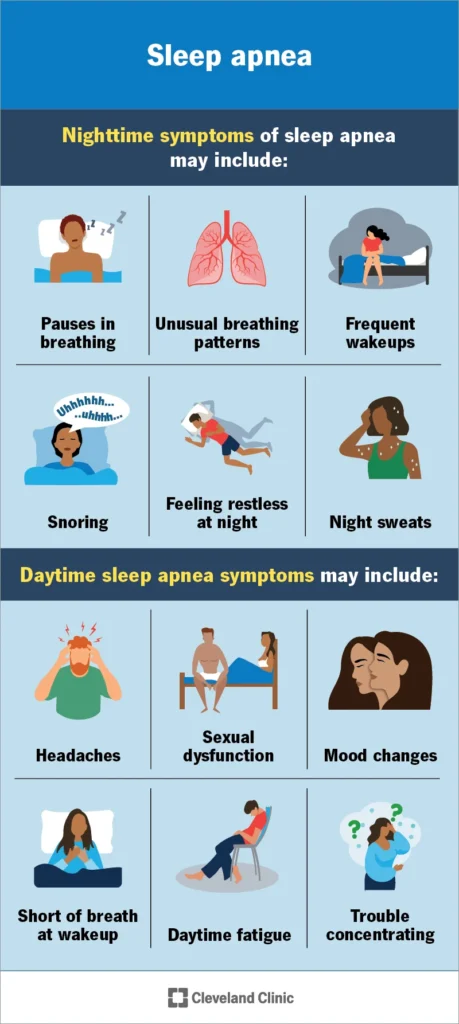
- Confirm the pattern: Is snoring worse on your back, after alcohol, or during travel fatigue?
- Screen for red flags: choking/gasping, morning headaches, high daytime sleepiness, or partner-witnessed breathing pauses.
- Pick one change for 7 nights: don’t stack five gadgets and guess what worked.
- Start with the highest “signal” fix: for many people, that’s an anti snoring mouthpiece rather than another app or wearable.
- Set a budget ceiling: the goal is better sleep, not a drawer full of abandoned devices.
Snoring is having a moment in the culture again—partly because sleep tech keeps launching, partly because burnout is real, and partly because couples are tired of negotiating who gets the quiet side of the bed. Add business travel, jet lag, and “always-on” work messages, and it’s no surprise people are looking for fast, at-home solutions.
Why is everyone suddenly talking about snoring and sleep health?
Two things can be true at once: snoring can be common, and it can still matter. People are paying more attention because sleep quality affects mood, focus, and how resilient you feel the next day. That’s why headlines keep circling back to snoring, possible contributing factors (including general wellness topics like vitamin levels), and the growing market for anti-snore devices.
If you want a general snapshot of what’s being discussed in the news cycle, you can scan Snoring at night? Low vitamin D might be playing a role. Treat these stories as conversation starters, not personal medical conclusions.
Is snoring just annoying—or is it wrecking sleep quality?
Even when the snorer sleeps through it, the room often doesn’t. Fragmented sleep can show up as “mystery fatigue,” shorter patience, and that mid-afternoon brain fog that makes every email feel like a small crisis.
Also, snoring can overlap with sleep-disordered breathing. One reason this is getting more attention is that sleep apnea can be missed in some groups, including women, because symptoms may look like insomnia, anxiety, or plain exhaustion. If your story doesn’t match the stereotype, it still deserves a closer look.
Quick self-check: when to stop DIY and get evaluated
- Breathing pauses, choking, or gasping during sleep
- High blood pressure or new/worsening morning headaches
- Severe daytime sleepiness (especially if you could doze while driving)
- Snoring that’s loud most nights and getting worse
What causes snoring in the first place (in plain language)?
Snoring usually happens when airflow is partially blocked and soft tissues vibrate. That narrowing can be influenced by sleep position, nasal congestion, alcohol, weight changes, and jaw/tongue position. Travel fatigue and irregular schedules can make it worse because sleep gets lighter and more fragmented.
That’s why the “best” fix depends on your pattern. If your snoring is mostly positional, a simple change may help. If it’s tied to jaw position, a mouthpiece can be a strong first bet.
Do anti-snoring mouthpieces actually help—or is it hype?
An anti-snoring mouthpiece is popular for a reason: it targets a common mechanical contributor—airway narrowing related to jaw and tongue position. Many consumer guides and reports focus on mandibular advancement devices (MADs), which gently hold the lower jaw forward to keep the airway more open.
Here’s the practical takeaway: mouthpieces can be worth trying when your snoring sounds like “throat vibration” and is worse on your back. They’re also appealing because they’re a one-time purchase compared with endless subscriptions and upgrades.
What to verify before you buy (so you don’t waste a cycle)
- Adjustability: small changes matter; “one position only” can be hit-or-miss.
- Materials and comfort: look for clear material info and realistic comfort expectations.
- Return policy: fit is personal; you want an exit ramp if it’s not working.
- Cleaning and durability: if it’s hard to maintain, it won’t last.
- Purpose: products marketed for snoring aren’t the same as clinician-prescribed therapy for diagnosed sleep apnea.
If you’re comparing models, start here: anti snoring mouthpiece. Keep it simple: choose one, fit it correctly, and test it for a full week before you judge it.
What about mouth tape, nose strips, and the new wave of sleep gadgets?
Sleep gadgets are everywhere right now—rings, headbands, white-noise machines, and yes, mouth tape. Some people like mouth tape because it encourages nasal breathing. Still, it’s not a universal solution, and it can be a bad idea if you can’t breathe well through your nose or you might have a breathing disorder during sleep.
Nasal strips can help when congestion is the main issue. Wearables can help you notice patterns, but they don’t fix airflow by themselves. If your budget is limited, spend it on the intervention most likely to change the mechanics of snoring, not just measure it.
How do I run a 7-night “no-drama” test at home?
Think of this like troubleshooting a noisy appliance: change one variable, then listen for the difference. That approach saves money and reduces the “we tried everything and nothing works” frustration.
Night 1–2: establish your baseline
- Note sleep position, alcohol, late meals, and congestion.
- If you track snoring, use the same method each night.
Night 3–7: test the mouthpiece consistently
- Fit it carefully and follow the product instructions.
- Keep other variables steady (same bedtime, similar routine).
- Evaluate: snoring volume, partner disturbance, and how you feel in the morning.
If it helps but feels uncomfortable, that’s a signal to adjust fit (if adjustable) or try a different style. If it doesn’t help at all, don’t keep buying random add-ons. Re-check the likely cause and consider a professional evaluation if symptoms suggest more than simple snoring.
Can lifestyle changes stack with a mouthpiece without turning into a full-time project?
Yes. The trick is choosing low-effort changes that don’t require willpower at 11 p.m. If travel fatigue is your trigger, prioritize a consistent wind-down routine. If workplace burnout is pushing you into late-night scrolling, set a hard “screens down” time and protect it like a meeting.
- Side-sleep support: a body pillow can reduce back-sleeping.
- Nasal comfort: address dryness or congestion in a safe, simple way.
- Alcohol timing: earlier is usually better for snoring than “right before bed.”
Medical disclaimer: This article is for general education only and isn’t medical advice. Snoring can be a sign of a sleep-related breathing disorder. If you have concerning symptoms (gasping, breathing pauses, severe sleepiness, or worsening snoring), talk with a qualified clinician.
Common questions people ask before buying
People usually want the same thing: quieter nights without turning bedtime into a science fair. Use the FAQs below to sanity-check your plan, then commit to one week of consistent testing.