
Before you try another sleep gadget, run this checklist.
- Confirm the problem: Is it snoring volume, poor sleep quality, or both?
- Check the pattern: Worse on your back, after alcohol, during travel, or when congested?
- Pick the right tool: Mouthpiece vs nasal support vs habit changes.
- Plan for comfort: Fit, jaw position, saliva/dry mouth, and morning feel.
- Verify safety: Teeth, gums, jaw joint, and red-flag symptoms.
Big picture: why snoring is suddenly everyone’s “sleep topic”
Snoring used to be a punchline. Now it’s a productivity problem. Between workplace burnout, doomscrolling, and travel fatigue, people are treating sleep like a performance metric. That’s why anti-snore devices keep showing up in roundups, and why consumer-style reports keep urging buyers to verify claims.
In the same way fitness trackers made steps feel urgent, sleep gadgets make nighttime noise feel measurable. The upside is awareness. The downside is impulse buying when what you need is a simple, repeatable plan.
If you want a deeper look at what buyers are being told to check, see this related coverage: SleepZee Anti-Snoring Mouthpiece Consumer Report: 2026 Analysis of Mandibular Advancement Device Research, Snoring Reduction Claims, and What Buyers Should Verify.
The emotional side: sleep isn’t just “health,” it’s household peace
Snoring rarely stays private. It becomes a relationship negotiation: who gets the quiet side of the bed, who wears earbuds, who ends up on the couch. Humor helps, but resentment builds fast when both people are tired.
There’s also the travel angle. A red-eye flight, a hotel room with dry air, and a couple of drinks can turn a mild snorer into a full-volume problem. That’s when people start searching for quick fixes and end up with a drawer of half-used devices.
A better approach is to choose one tool, set it up correctly, and track whether it actually improves sleep quality.
Practical steps: where an anti snoring mouthpiece fits
An anti snoring mouthpiece is often designed to change positioning inside the mouth during sleep. Many models fall into the “mandibular advancement” category, meaning they gently hold the lower jaw forward. That can reduce tissue collapse and vibration for some people.
Step 1: Match the tool to your snoring pattern
- Back-sleep snoring: A mouthpiece may help, especially if jaw position is part of the issue.
- Nasal congestion snoring: You may need to address airflow first (humidity, allergies, nasal support).
- Alcohol-related snoring: Device + habit change usually beats either one alone.
- “Only when exhausted” snoring: Travel fatigue and burnout can amplify everything. Prioritize sleep timing and recovery.
Step 2: Get the basics right (ICI: insert, comfort, integrity)
- Insert: The mouthpiece should seat consistently the same way each night.
- Comfort: Mild pressure is normal. Sharp pain is not. Comfort drives compliance.
- Integrity: Keep it clean, inspect for wear, and replace if it deforms or cracks.
Step 3: Use positioning to boost results
Think of the mouthpiece as one part of a system. Pillow height, neck angle, and side-sleep support can change how well it works. If your chin tucks toward your chest, airflow can worsen even with a device.
Some people also like a combo approach for stability. If you’re comparing options, you can review an anti snoring mouthpiece to see whether that style matches your comfort needs.
Step 4: Don’t ignore the “boring” habit changes
Headlines keep circling back to simple tweaks because they work for a lot of people. You don’t need perfection. You need consistency.
- Timing: Keep sleep and wake times steady, even on weekends when possible.
- Alcohol window: Earlier is usually better than “right before bed.”
- Bedroom air: Dry air and congestion can make snoring louder.
Safety and testing: how to verify you’re improving sleep quality
Marketing often focuses on “snoring reduction.” Your real goal is better sleep. Test changes like you would test a new workout plan: one variable at a time.
A simple 7-night check
- Night 1–2: Wear the device for comfort practice. Don’t judge results yet.
- Night 3–7: Track: morning energy, dry mouth, jaw soreness, and partner-reported noise.
- Optional: Use a snore recording app for trends, not perfection.
Comfort troubleshooting (common, fixable issues)
- Jaw soreness: Reduce advancement if adjustable, or pause and reassess fit.
- Drooling: Often improves as you adapt. Persistent issues may mean poor fit.
- Dry mouth: Consider room humidity and nasal airflow support.
- Gagging: The device may be too bulky or seated too far back.
Red flags: don’t “power through” these
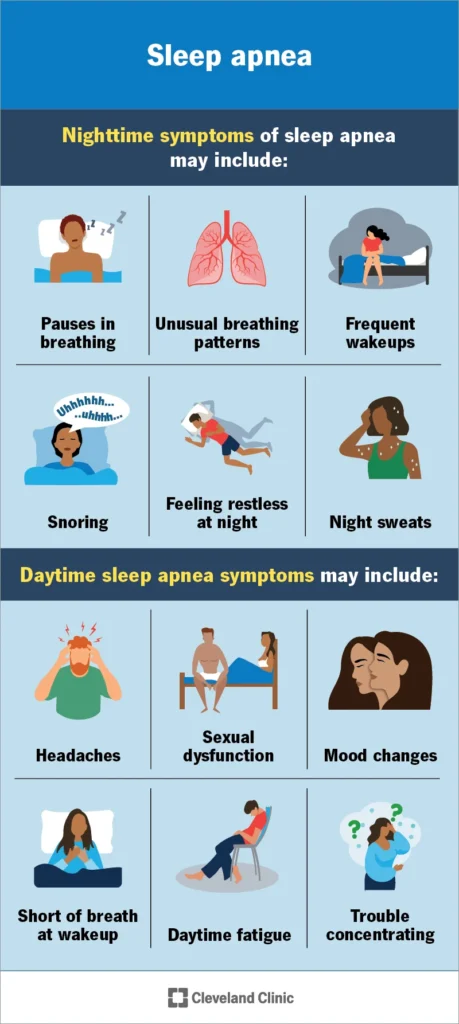
Stop and seek medical guidance if you notice choking/gasping, significant daytime sleepiness, worsening headaches, chest symptoms, or ongoing jaw joint pain. Loud snoring can overlap with sleep-disordered breathing, and that deserves proper evaluation.
Medical disclaimer: This article is for general education and does not replace medical advice. If you suspect sleep apnea or have persistent symptoms, consult a qualified healthcare professional or a sleep specialist.
FAQ
Do anti-snoring mouthpieces work for everyone?
No. They often help when snoring is related to jaw and tongue position, but results vary by anatomy, sleep position, and nasal airflow.
What’s the difference between a mouthpiece and mouth tape?
A mouthpiece aims to reposition the jaw/tongue to keep the airway more open. Mouth tape is meant to encourage nasal breathing and may not address airway narrowing behind the tongue.
How long does it take to get used to an anti snoring mouthpiece?
Many people need several nights to a couple of weeks to adapt. Start with short wear periods and adjust for comfort if the product allows it.
Can a mouthpiece help with sleep quality even if I still snore a little?
Sometimes. If snoring volume and sleep disruptions drop, you and your partner may notice better rest even without total silence.
When should I stop using a mouthpiece and get medical advice?
If you have jaw pain that persists, tooth movement concerns, headaches, or symptoms like choking/gasping, excessive daytime sleepiness, or high blood pressure, talk with a clinician.
CTA: pick one path and commit for a week
If snoring is dragging down your sleep quality, don’t keep cycling through random “viral” fixes. Choose a mouthpiece approach, set it up for comfort, and test it for seven nights.