
At 2:13 a.m., one person is on their third “quietly leaving the bedroom” attempt of the week. The other is asleep, snoring like a tiny lawnmower. By morning, nobody’s laughing—until the group chat turns it into a joke about “sleep divorces,” travel fatigue, and trying yet another gadget.
That’s the vibe right now. Sleep tech is everywhere, burnout is real, and snoring has become a relationship stress test. If you’re sorting through pillows, tapes, and devices, here’s the direct breakdown of where an anti snoring mouthpiece fits—and how to try one without turning bedtime into a project.
Overview: why snoring is suddenly everyone’s problem
Snoring isn’t new. What’s new is how little tolerance people have for poor sleep. Work-from-anywhere schedules, long commutes, and “always on” screens push sleep quality to the front of the health conversation.
That’s also why anti-snoring products keep showing up in mainstream roundups and market forecasts. If you’ve noticed more “best anti-snore device” lists and more talk about pillows or mouth taping, you’re not imagining it. People are shopping for solutions because the cost of bad sleep shows up fast at work and at home.
For a general snapshot of the broader trend, see this recent coverage via Anti-Snoring Devices Market Size to Hit USD 2.94 Million by 2035.
Timing: when it makes sense to try a mouthpiece
A mouthpiece is worth considering when snoring is frequent and disruptive, and you suspect it’s linked to sleep position or jaw/tongue collapse. It’s also a practical option when you travel a lot and want something portable that doesn’t require charging.
Pick a two-week window when you can be consistent. Don’t start the night before a big presentation, a red-eye flight, or the week your partner is already running on fumes. You want clean feedback, not chaos.
Pause and get checked if red flags show up
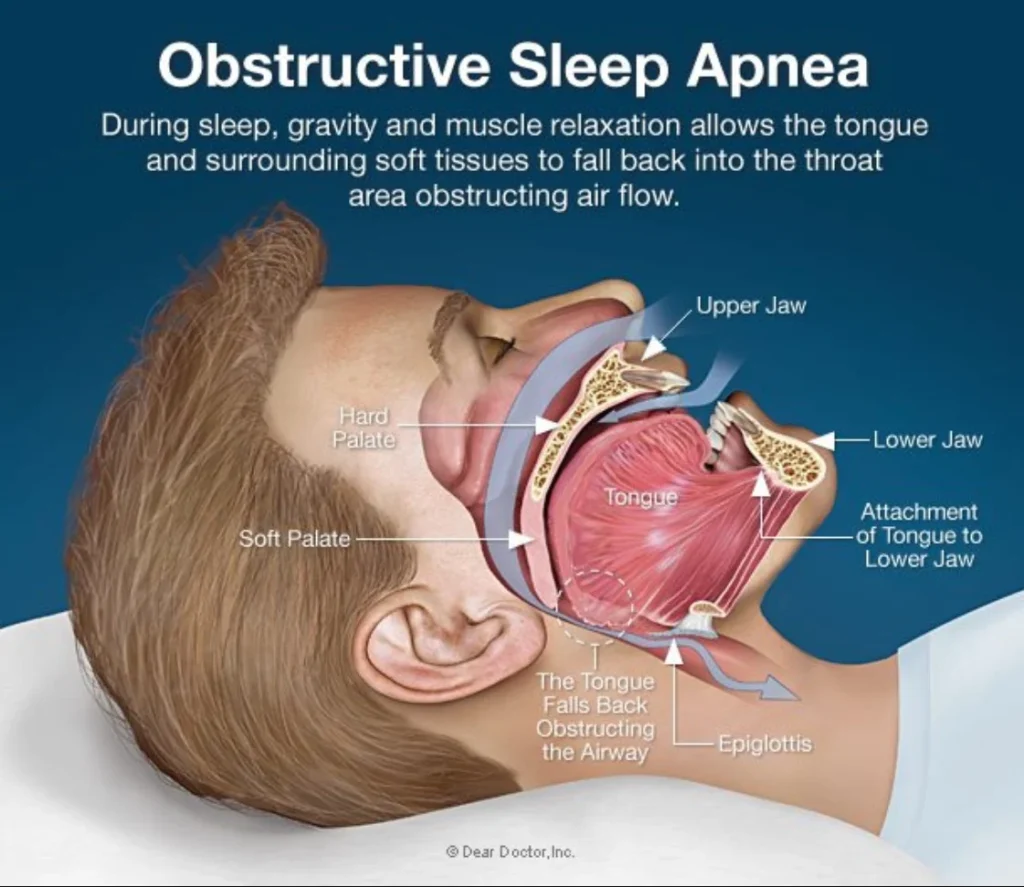
If there are witnessed breathing pauses, choking/gasping, morning headaches, or heavy daytime sleepiness, don’t treat snoring as a “noise issue.” Those can be signs of sleep apnea. A clinician can help you rule that out and choose safer options.
Supplies: what you need for a simple, low-drama trial
- Your mouthpiece (follow the included fitting instructions).
- A basic sleep log: bedtime, wake time, how you felt, and whether snoring improved (partner notes help).
- Water + a case for hygiene and travel.
- Optional: a chinstrap if mouth-breathing is part of your pattern.
If you want a combined approach in one kit, this anti snoring mouthpiece is the type of pairing many shoppers look for when they’re trying to reduce snoring plus keep the mouth closed.
Step-by-step (ICI): Identify → Customize → Iterate
1) Identify your likely snoring pattern
Keep it simple. Ask three questions:
- Is snoring worse on your back?
- Is your mouth open when you snore?
- Is alcohol, congestion, or late meals making it louder?
This isn’t about perfect diagnosis. It’s about choosing a first move that matches your real life.
2) Customize the fit (comfort beats “toughing it out”)
Fit drives results. A mouthpiece that’s slightly off can cause drooling, sore teeth, or jaw tension. Follow the product directions closely, and prioritize a secure but comfortable feel.
On night one, aim for “tolerable,” not “perfect.” If you wake up clenching or your jaw feels strained, adjust before you push through another night.
3) Iterate with one change at a time
Don’t stack five hacks at once. If you add a new pillow, nasal strips, mouth tape, and a mouthpiece all in the same week, you won’t know what helped.
Try this order:
- Mouthpiece alone for 3–5 nights.
- If mouth-breathing seems to be a factor, add a chinstrap next.
- Only then consider other accessories like pillows or nasal support.
Keep the goal narrow: fewer awakenings, less partner disruption, and better morning energy.
Mistakes that waste money (and patience)
Buying based on hype, not your problem
Sleep trends move fast. One week it’s “smart” pillows, the next it’s mouth taping. Some people find certain tools helpful, but your snoring cause matters. A mouthpiece targets jaw position and airflow. It won’t fix everything.
Ignoring jaw or dental warning signs
If you have TMJ symptoms, jaw clicking with pain, loose teeth, or significant dental work, get guidance before using any oral device. Discomfort is a signal, not a challenge.
Turning bedtime into a negotiation
Snoring can trigger resentment fast. Make a plan together during daylight. Use neutral language: “I want us both sleeping better,” not “You keep me awake.” Agree on a two-week trial and a check-in date.
FAQ: quick answers people want right now
Is an anti snoring mouthpiece the same as a night guard?
No. A typical night guard protects teeth from grinding. An anti-snoring mouthpiece is designed to influence jaw position and airflow. Some products combine features, but the intent differs.
What about mouth tape?
It’s a popular topic, but it isn’t a fit for everyone. If you can’t breathe well through your nose, taping can be risky. Talk with a clinician if you’re unsure, and don’t force it.
Can a mouthpiece improve sleep quality?
If it reduces snoring-related awakenings (yours or your partner’s), sleep can feel more restorative. Track morning alertness and nighttime interruptions instead of chasing a perfect score from a wearable.
CTA: pick one move for quieter nights
If snoring is straining sleep and patience, a mouthpiece trial is a practical first step for many households. Keep it simple, track results, and adjust for comfort.
How do anti-snoring mouthpieces work?
Medical disclaimer: This article is for general information only and is not medical advice. Snoring can be a symptom of obstructive sleep apnea or other health conditions. If you have loud frequent snoring, choking/gasping, witnessed breathing pauses, chest pain, severe daytime sleepiness, or concerns about using an oral device due to dental or jaw issues, seek guidance from a qualified healthcare professional.