
Snoring isn’t just “noise.” It’s a nightly stressor that can turn bedtime into negotiation time.
And lately, it’s showing up everywhere—sleep gadgets, wearable scores, “biohacking” routines, and travel-fatigue resets.
Thesis: If your snoring is hurting sleep quality (and the mood in your bedroom), an anti snoring mouthpiece can be a practical, testable step—if you know what to verify.
The big picture: why snoring is having a moment
People are talking about snoring more because they’re tracking sleep more. When a watch or ring tells you your sleep was “bad,” you start hunting for the culprit. Snoring is easy to notice and hard to ignore.
There’s also a broader trend: more products, more marketing, and more “top device” lists. Market forecasts and consumer roundups keep the topic in the feed, which nudges people to try a device instead of just hoping it goes away.
If you want a general overview of what researchers and buyers often look for in jaw-advancing devices, scan a SleepZee Anti-Snoring Mouthpiece Consumer Report: 2026 Analysis of Mandibular Advancement Device Research, Snoring Reduction Claims, and What Buyers Should Verify.
The emotional side: sleep loss is a relationship issue (not a character flaw)
Snoring creates a weird kind of pressure. One person feels blamed for something they can’t fully control. The other feels trapped between exhaustion and not wanting to start a fight at 2 a.m.
Add real life—workplace burnout, doomscrolling, early flights, hotel beds, time changes—and patience gets thin. That’s when snoring turns into “We need separate rooms,” even if nobody wants that.
A useful reframe: treat snoring like a shared sleep-quality project. The goal isn’t to “win” the argument. It’s to protect both people’s rest.
Practical steps: a simple, modern snoring plan
You don’t need twelve gadgets. Start with a short list you can actually stick to.
Step 1: Notice patterns, not perfection
Try to spot when snoring spikes: after alcohol, during allergy season, after late meals, or when sleeping on your back. Travel fatigue can also crank it up, especially when routines fall apart.
If you want data, keep it lightweight. A note on your phone plus a partner’s “how bad was it?” rating can be more useful than chasing a perfect sleep score.
Step 2: Tighten the basics that affect sleep quality
Small habit shifts can matter. Many campus-style sleep hygiene tips are still the boring winners: consistent bedtime, a cooler/darker room, and less late caffeine. If daylight saving time changes throw you off, ease into the new schedule over a few nights instead of forcing it in one go.
These steps won’t fix every case of snoring. They do make any device trial easier to evaluate because your baseline is more stable.
Step 3: Consider an anti snoring mouthpiece when the pattern fits
Many anti-snoring mouthpieces are designed to help by positioning the lower jaw forward, which can reduce airway narrowing for some people. This category is often called mandibular advancement devices (MADs).
If you want to explore a combined option, see this anti snoring mouthpiece. A combo approach can appeal to people who suspect mouth-breathing plays a role, but comfort still rules the decision.
Safety and testing: what buyers should verify before trusting a device
Snoring products are trending, and hype travels fast. Slow it down with a quick verification checklist.
Fit and comfort checks (the “will I actually use it?” test)
- Jaw comfort: Mild soreness can happen early on. Sharp pain is a stop sign.
- Tooth and gum feel: Watch for pressure points or irritation.
- Saliva and dryness: Both can change at first. Give it a short adjustment period.
Trial method: run it like a mini experiment
- Pick a 10–14 night window.
- Keep other variables steady when you can (alcohol, bedtime, sleep position).
- Track two outcomes: partner-reported snoring + your daytime alertness.
This approach helps you avoid the classic trap: buying three gadgets, changing five habits, and never knowing what worked.
Know when snoring may be more than snoring
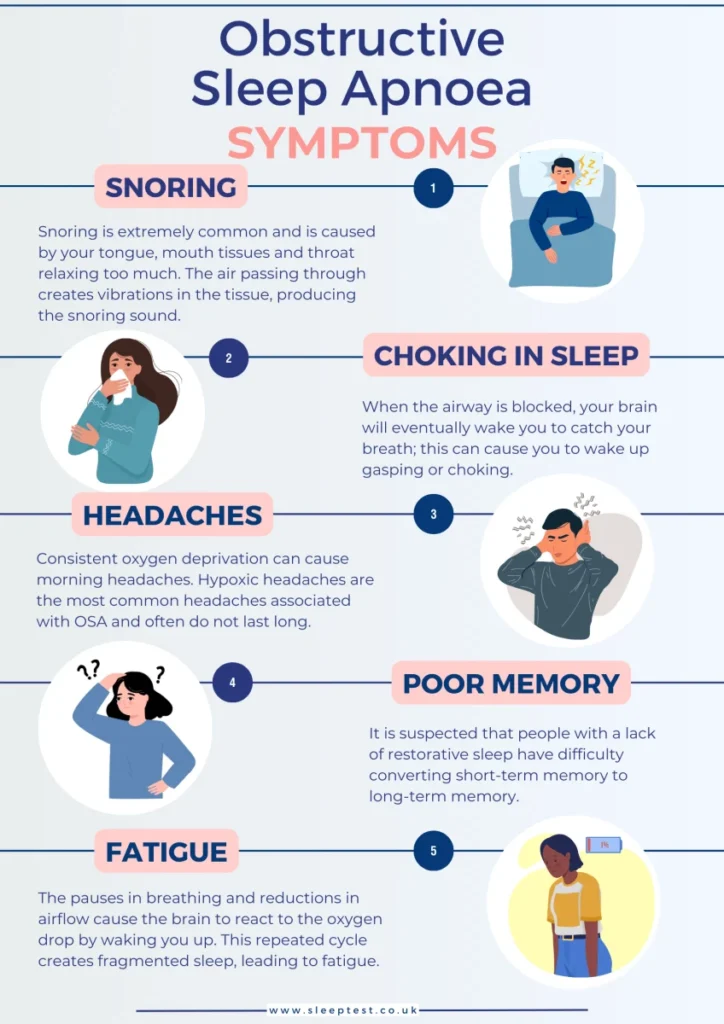
Some snoring is linked to sleep-disordered breathing, including obstructive sleep apnea. You can’t self-diagnose that with a product page or a wearable score.
Get medical advice promptly if you notice choking/gasping, breathing pauses, significant daytime sleepiness, morning headaches, or if a partner observes repeated stops in breathing.
FAQ
Do anti-snoring mouthpieces work for everyone?
No. They can help when jaw/tongue position contributes to snoring, but results vary widely.
What’s the difference between a mouthpiece and a chin strap?
A mouthpiece aims to influence jaw/tongue position. A chin strap mainly supports keeping the mouth closed, which may help some mouth-breathers.
How long does it take to get used to an anti snoring mouthpiece?
Often several nights to a couple of weeks. Fit, adjustability, and consistency matter.
Can a mouthpiece improve sleep quality?
It can if it reduces snoring-related awakenings. Sleep quality also depends on schedule, stress, and environment.
When should I talk to a clinician about snoring?
If there are breathing pauses, choking/gasping, severe daytime sleepiness, or other concerning symptoms, seek medical evaluation.
CTA: make the next step easy
If snoring is turning nights into tension, choose one change you can test this week. For many couples, that means trialing a mouthpiece with a simple tracking plan.
How do anti-snoring mouthpieces work?
Medical disclaimer: This article is for general information only and is not medical advice. Snoring can have multiple causes, and some require professional evaluation. If you suspect sleep apnea or have worrisome symptoms, consult a qualified clinician.