
Before you try another sleep gadget, run this quick checklist.
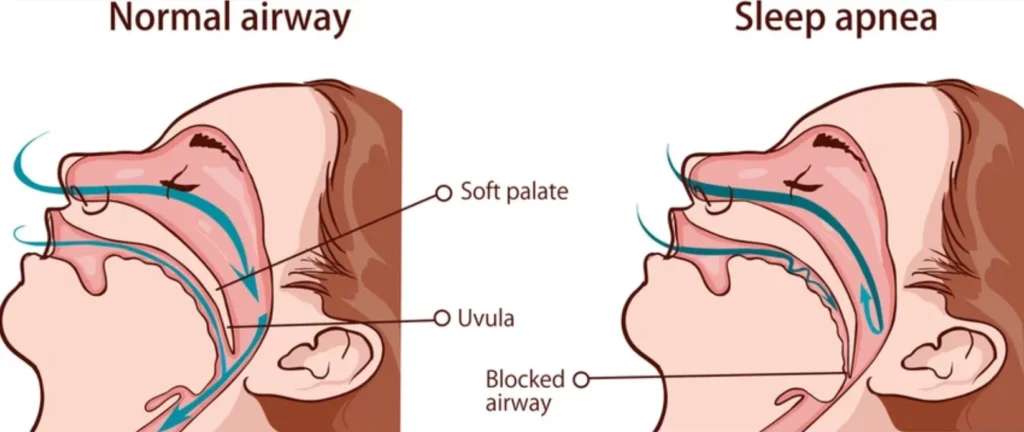
- Is it just noise—or are there breathing pauses, choking, or gasping?
- Is sleep quality slipping (morning headaches, dry mouth, foggy focus, irritability)?
- Is it situational (travel fatigue, alcohol, allergies, back-sleeping, weight changes)?
- Have you tried the basics (side sleeping, nasal rinse/saline, consistent sleep window)?
- Are you ready to test one solution at a time and document results?
Snoring is having a moment in the culture again. People are comparing anti-snore pillows, wearables, mouth tape, smart alarms, and mouthpieces like they compare phone upgrades. Add daylight saving time shifts, work burnout, and constant travel, and it’s no surprise sleep has become a “gear” conversation.
Big picture: why snoring and sleep quality are trending
Recent coverage keeps circling the same themes: more anti-snoring products on the market, more “best of” lists, and more practical sleep-hygiene reminders from health organizations. The vibe is clear. People want a fix that doesn’t feel like a medical project.
Snoring sits at the intersection of comfort and health. For some, it’s mostly a relationship problem. For others, it can be a flag for sleep-disordered breathing. That’s why the “Is it snoring or sleep apnea?” question keeps showing up in headlines.
If you want a general explainer of Anti-Snoring Devices Market Size to Hit USD 2.94 Million by 2035, start there, then come back to the product talk with a clearer filter.
The emotional side: the “bedroom negotiation” no one wants
Snoring rarely stays a solo issue. It turns into the nightly debate: earplugs, white noise, separate blankets, separate rooms, or the classic elbow nudge at 2 a.m. It can feel funny in memes, then exhausting in real life.
Sleep loss also stacks up fast at work. Burnout doesn’t always start with a big crisis. Sometimes it starts with a month of fragmented nights, too much caffeine, and a body clock that never resets after travel.
So if you’re shopping for an anti snoring mouthpiece, you’re not being dramatic. You’re trying to protect the next day—mood, focus, and the relationship peace that comes with it.
Practical steps: where an anti snoring mouthpiece fits
Snoring can come from several places: nasal congestion, soft palate vibration, tongue position, or jaw relaxation that narrows airflow. A mouthpiece typically aims to change oral positioning during sleep so the airway stays more open.
Step 1: Do a 7-night “pattern check”
Keep it simple. Write down:
- Back vs side sleeping
- Alcohol close to bedtime (yes/no)
- Congestion or allergies (yes/no)
- Snoring severity (0–3) and partner impact
- How you feel at 10 a.m. (alert vs dragged)
This protects you from buying three products and never knowing what helped.
Step 2: Compare solutions by “what they change”
- Pillows/positional aids: try to keep you off your back or support head/neck alignment.
- Nasal supports: focus on airflow through the nose when congestion or narrow nasal passages are the issue.
- Mouthpieces: focus on jaw/tongue position and airway space.
If snoring is mostly positional, a pillow might be enough. If it’s tied to jaw relaxation, a mouthpiece may be the more direct lever.
Step 3: Choose a mouthpiece like you’re choosing a helmet
Comfort matters, but so does consistency. A device that sits in a drawer can’t improve sleep quality.
Look for a design that you can actually tolerate for a full night. Pay attention to materials, cleaning requirements, and whether it’s adjustable. If you want a starting point for comparison shopping, see anti snoring mouthpiece.
Safety and testing: reduce risk, and document what you did
Screen first when symptoms don’t match “simple snoring”
Get evaluated if you notice breathing pauses, choking/gasping, significant daytime sleepiness, or you have risk factors like high blood pressure. Mouthpieces can help snoring for some people, but they are not a substitute for proper screening when sleep apnea is a concern.
Run a clean, trackable trial
- Change one variable at a time for 1–2 weeks.
- Track jaw comfort each morning (0–10) and any tooth sensitivity.
- Log cleaning so you don’t turn a sleep fix into a hygiene problem.
- Keep packaging/instructions and note dates of use. This helps with returns and shows responsible use.
Know when to stop
Pause use and seek dental/medical guidance if you develop persistent jaw pain, bite changes, loose teeth sensations, gum irritation, or worsening sleepiness. “Powering through” is not a sleep strategy.
Medical disclaimer: This article is for general information only and isn’t medical advice. It does not diagnose, treat, or replace care from a licensed clinician. If you suspect sleep apnea or have severe symptoms, seek a professional evaluation.
FAQ: quick answers people ask before they buy
Can an anti snoring mouthpiece improve sleep quality?
It can, especially when snoring is linked to airway narrowing from jaw/tongue position. The best indicator is a consistent reduction in snoring plus better next-day alertness.
How do I know if I’m a mouthpiece candidate?
If snoring is frequent and worse on your back, and you don’t have red-flag symptoms, a trial may be reasonable. If you have warning signs of sleep apnea, screen first.
Will it fix snoring caused by congestion?
Sometimes, but congestion often needs a nasal-focused plan too. Many people do best with a combined approach: clear nasal airflow plus a device that supports the airway.
Can I use it every night?
Many users do, but comfort and oral health decide what’s realistic. Follow product guidance and monitor jaw/tooth changes.
CTA: make your next step a real test, not a guess
If you’re done chasing one-off hacks and you want a trackable, practical option, start by learning the basics and setting a two-week trial plan.