
Myth: Snoring is just a funny relationship quirk.
Reality: It can wreck sleep quality for two people at once—and the next day shows up as brain fog, irritability, and that “why am I so tired?” feeling that gets blamed on work stress or travel fatigue.
Right now, snoring solutions are getting the same hype cycle as other sleep gadgets. You’ll see lists of “best anti-snore devices,” debates about mouth tape, and consumer-style reports telling buyers to verify claims. That’s useful, as long as you keep the goal simple: quieter nights and more restorative sleep.
Overview: where an anti snoring mouthpiece fits today
An anti snoring mouthpiece is often a mandibular advancement device (MAD). In plain terms, it gently positions the lower jaw forward to help keep the airway more open during sleep.
People compare mouthpieces to pillows, nasal strips, wearables, and app-based coaching because they want a fast win. A mouthpiece can be a practical middle ground: more targeted than “sleep hacks,” less involved than many clinical pathways, and often easier to test than you’d expect—if you buy carefully.
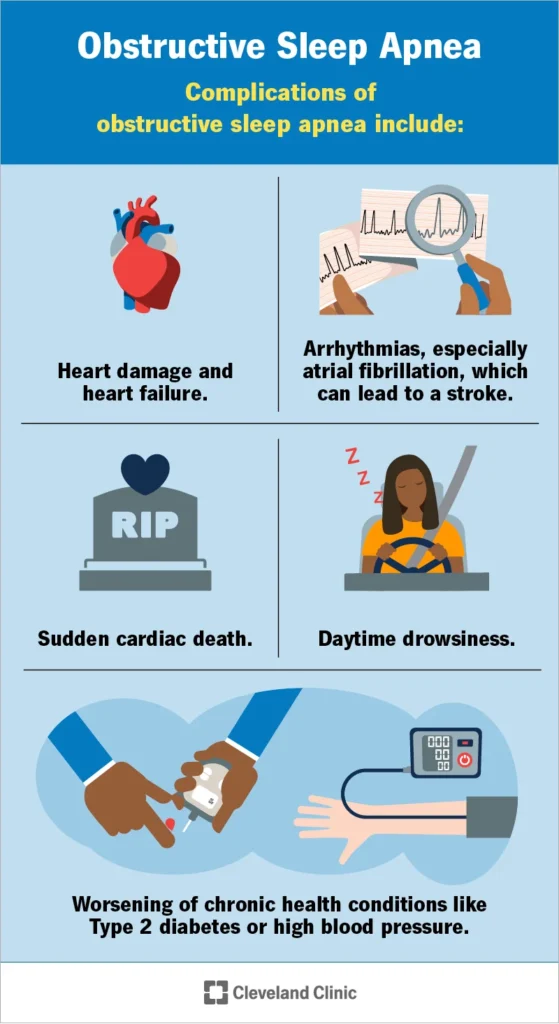
Important: Snoring is not the same thing as sleep apnea. Also, sleep apnea can be missed, including in women, because symptoms may look like insomnia, fatigue, or mood changes rather than classic “loud snoring only.” If you suspect apnea, prioritize medical evaluation.
Timing: when to try a mouthpiece (and when to pause)
Good times to test a mouthpiece
- After a pattern shows up: You’ve had weeks of snoring complaints or you notice unrefreshing sleep.
- Before a high-stakes stretch: A big presentation week, a new job schedule, or a long trip where sleep debt hits harder.
- When “quick fixes” aren’t sticking: You’ve tried side-sleeping or reducing alcohol late, but the noise persists.
Times to slow down and get guidance first
- Possible sleep apnea signs: choking/gasping, witnessed breathing pauses, severe daytime sleepiness, morning headaches, or high blood pressure concerns.
- Jaw/TMJ issues: frequent jaw pain, locking, or significant bite problems.
- Dental concerns: loose teeth, untreated gum disease, or major dental work in progress.
If you’re unsure about apnea risk, skim a reputable overview like SleepZee Anti-Snoring Mouthpiece Consumer Report: 2026 Analysis of Mandibular Advancement Device Research, Snoring Reduction Claims, and What Buyers Should Verify and bring questions to a clinician.
Supplies: what you’ll want before night one
- The mouthpiece + instructions: Don’t wing it. Fit and adjustment matter.
- A simple cleaning routine: A brush and mild cleaner recommended by the manufacturer.
- A notes app: Track snoring feedback, comfort, and morning jaw feel for 7–14 nights.
- A backup plan: Saline spray, a humidifier, or side-sleep support if congestion or posture is part of the issue.
Step-by-step (ICI): Implement, Check, Iterate
1) Implement: start small, then build
Fit the device exactly as directed. If it’s adjustable, begin conservatively. Your goal is comfort plus function, not “maximum forward” on night one.
Wear it for a short period before sleep for a few evenings. That helps your jaw and mouth adapt without turning bedtime into a battle.
2) Check: measure what matters
- Partner feedback: Is the snoring quieter, less frequent, or gone?
- Your sleep quality: Do you wake less, feel more refreshed, or stop waking with a dry mouth?
- Comfort signals: Jaw soreness, tooth pressure, gum irritation, or headaches.
If you use a sleep tracker, treat it as supporting info. The real win is how you feel and whether snoring disruptions drop.
3) Iterate: adjust thoughtfully
If the device allows incremental advancement, change one step at a time and hold it for a few nights. That keeps you from overcorrecting and creating jaw pain that makes you quit.
If discomfort persists, stop and reassess. A different size, style, or professional guidance may be the better move.
Mistakes people make (especially during “sleep trend” season)
Buying on hype instead of verification
Consumer-style roundups and reports often emphasize the same buyer checks for a reason: materials, adjustability, fit method, and return policy. If those are unclear, you’re taking a bigger risk than you need to.
Ignoring possible apnea
Snoring plus daytime sleepiness can get mislabeled as burnout. Travel fatigue can hide it too. If symptoms suggest apnea, don’t self-manage indefinitely.
Stacking too many “hacks” at once
Mouth tape, nasal devices, supplements, and a new mouthpiece in the same week makes it hard to know what helped—or what caused irritation. Change one variable, then evaluate.
Expecting instant perfection
Some people notice improvement quickly. Others need a short adaptation window. Give it a fair trial, but don’t push through sharp pain or bite changes.
FAQ: quick answers before you commit
Is a mouthpiece the same as a night guard?
No. A night guard mainly protects teeth from grinding. A mandibular advancement device is designed to change jaw position to reduce snoring in some people.
What if I only snore when I’m on my back?
You may respond well to positional strategies, but a mouthpiece can still help some back-snorers. Testing is often the only way to know.
Can a mouthpiece improve sleep quality even if I sleep alone?
Possibly. Snoring can fragment your sleep without you realizing it. If you wake unrefreshed, reducing snoring may help.
CTA: compare options without guesswork
If you’re shopping and want a straightforward place to start, review anti snoring mouthpiece and focus on fit, comfort, and buyer protections.
How do anti-snoring mouthpieces work?
Medical disclaimer: This article is for general education only and is not medical advice. Snoring can have multiple causes, including sleep apnea. If you have symptoms like choking/gasping, witnessed breathing pauses, significant daytime sleepiness, or jaw/dental pain, talk with a qualified clinician or dentist for personalized guidance.