
Snoring has a way of turning bedtime into a group project. One person tries to sleep. The other person negotiates with pillows, earbuds, and patience.
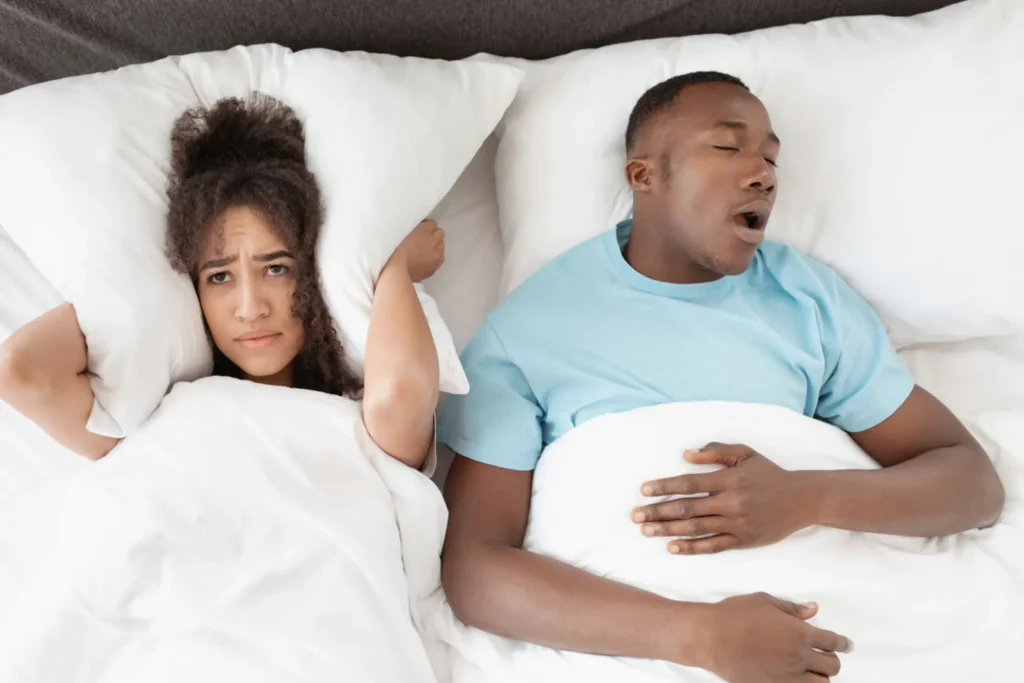
If you want better sleep without buying every trending gadget, an anti snoring mouthpiece is one of the most practical places to start.
The big picture: why snoring is suddenly “everywhere” again
Sleep tech is having a moment. People compare pillows, apps, wearables, and “hacky” ideas the way they compare headphones.
At the same time, daily life is loud. Travel fatigue, late-night screens, and workplace burnout push more people to notice how fragile sleep quality can be. It’s not surprising that anti-snoring products are getting more attention, including market-growth chatter and roundups of “best devices.”
If you’re tracking the trend side of it, you’ll see more forecasts and product categories showing up in the news, like this Anti-Snoring Devices Market Size to Hit USD 2.94 Million by 2035. The cultural takeaway is simpler: people are actively shopping for relief.
The emotional part nobody budgets for: relationships and self-confidence
Snoring jokes are common because the situation is awkward. It can also feel personal, even when it isn’t.
If you snore, you might feel guilty or defensive. If you’re the partner listening to it, you may feel resentful after weeks of broken sleep. That tension can snowball into “separate bedrooms” talks that start as a joke and end as a real plan.
A practical approach lowers the temperature. Pick one change at a time, track results, and treat it like a shared sleep project rather than a blame game.
Practical steps: a no-waste way to test what helps (at home)
Step 1: Identify the “when” of the snore
Before you buy anything, do a quick pattern check for 3–5 nights.
- Back-only snoring: often worse when you’re flat on your back.
- All-positions snoring: may point to multiple contributors (nasal congestion, jaw position, alcohol close to bedtime, etc.).
- Travel-only snoring: common with dry hotel air, schedule shifts, and exhaustion.
Use the cheapest “data” available: partner feedback, a simple voice memo recording, and how you feel in the morning.
Step 2: Try the lowest-friction fixes first
This is where many people start with pillows because it feels easy. There’s been a wave of coverage on anti-snoring pillows lately, which makes sense: they’re low commitment.
Other low-cost moves include reducing alcohol close to bedtime, managing allergies, and keeping a consistent sleep window. None of these are magic. They’re just efficient to test.
Step 3: Where an anti snoring mouthpiece fits
If your snoring seems tied to jaw or tongue position, a mouthpiece can be a logical next step. The goal is simple: support a more open airway during sleep.
Budget-wise, a mouthpiece can be a better “signal test” than cycling through multiple pillows, sprays, and gimmicks. You either notice a meaningful change, or you don’t.
If you’re comparing options, here’s a straightforward place to start: anti snoring mouthpiece. A combo approach is often considered when mouth-opening is part of the issue.
Safety and smart testing: don’t ignore red flags
Snoring vs. something more serious
Not all snoring is the same. Some snoring is just noisy airflow. Other times, it can overlap with sleep-disordered breathing concerns.
Get medical advice promptly if you notice choking/gasping, witnessed pauses in breathing, chest pain, severe daytime sleepiness, or high blood pressure concerns. If you’re asking “is this snoring or sleep apnea?” you’re not alone—mainstream coverage has been pushing that question into the open.
What “a fair trial” looks like for a mouthpiece
- Give it a short adjustment window: comfort often improves after the first few nights.
- Track jaw comfort: mild soreness can happen; sharp pain is a stop sign.
- Watch your bite: if your teeth feel like they’re shifting or your bite feels “off,” pause and reassess.
- Don’t stack trends: combining multiple hacks (like mouth tape plus a mouthpiece) can create new problems. If you’re curious about mouth taping, treat it cautiously and consider clinician input.
FAQ: quick answers people are searching right now
What if my snoring is worse during stressful work weeks?
That’s common. Burnout can change sleep depth, routines, and evening habits. Focus on consistency and a single, testable intervention rather than adding more gadgets.
Can I use a mouthpiece if I have dental work?
It depends on your dental situation. If you have crowns, braces, TMJ issues, or gum disease, ask a dentist or clinician before using an oral device.
What’s the simplest way to measure improvement?
Combine partner feedback (or a quick recording) with how you feel: fewer awakenings, less dry mouth, and better morning energy are useful signals.
CTA: one clear next step
If you’re trying to improve sleep quality without turning your nightstand into a gadget shelf, start with one targeted change and evaluate it honestly.
How do anti-snoring mouthpieces work?
Medical disclaimer: This article is for general education only and is not medical advice. Snoring can have multiple causes, and some require professional evaluation. If you suspect sleep apnea or have concerning symptoms, talk with a qualified healthcare professional.