
Is snoring just “annoying,” or is it wrecking your sleep quality?
Are anti-snore gadgets actually useful, or just another late-night checkout trap?
And how do you try an anti snoring mouthpiece without taking unnecessary risks?
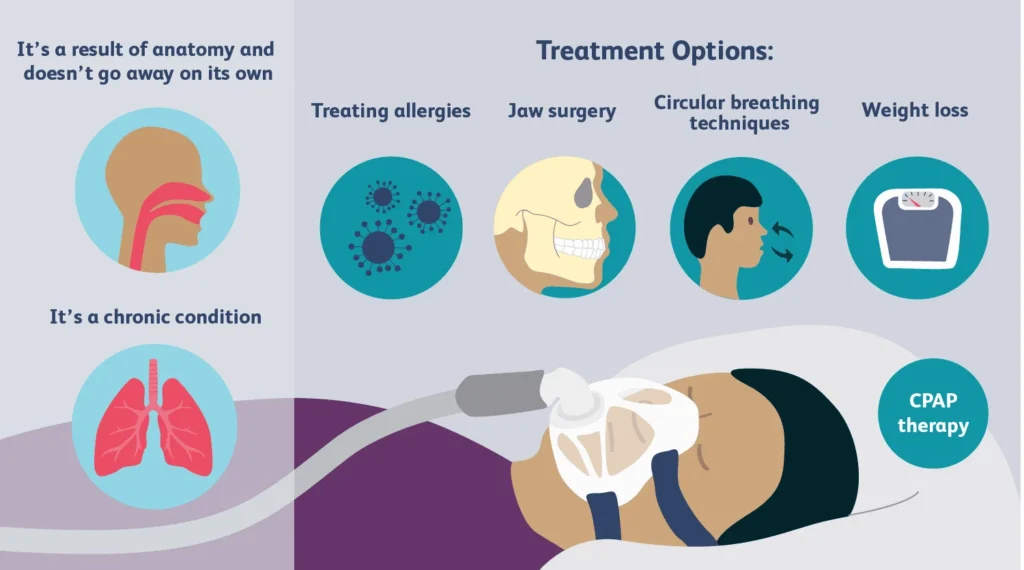
Snoring sits at the intersection of health, relationships, and modern burnout. One person wants deep sleep. The other wants quiet. Add travel fatigue, a new pillow ad in your feed, and a coworker bragging about their latest sleep tracker, and it’s easy to feel behind.
This guide answers the questions people are asking right now—without hype. It also focuses on safety and screening, so your “quick fix” doesn’t become a longer problem.
Why is everyone suddenly talking about snoring and sleep gadgets?
Sleep has become a status symbol and a coping tool. People are juggling packed schedules, stress, and screens. Then they try to “optimize” rest with pillows, apps, wearables, and trending hacks.
Snoring gets pulled into that conversation because it’s loud, measurable, and socially awkward. It’s also one of the fastest ways to turn a shared bed into a negotiation. The jokes are real, but the sleep loss is, too.
Recent coverage has compared multiple anti-snore device categories and highlighted the importance of checking claims and fit. If you want a broad overview of what experts tend to compare, see this roundup-style reference: SleepZee Anti-Snoring Mouthpiece Consumer Report: 2026 Analysis of Mandibular Advancement Device Research, Snoring Reduction Claims, and What Buyers Should Verify.
What does snoring do to sleep quality (besides annoy your partner)?
Snoring can fragment sleep. Even if you don’t fully wake up, your body may spend less time in deeper, more restorative stages. That can show up as morning fog, irritability, or feeling like you “slept” but didn’t recover.
It can also affect the person next to you. Relationship humor aside, two tired people don’t communicate well. That’s why many couples end up testing solutions during stressful seasons like work crunch time or after long trips.
When snoring is more than snoring
Some snoring is simple vibration from relaxed tissues. Other snoring can overlap with obstructive sleep apnea (OSA), where breathing repeatedly narrows or pauses during sleep.
Consider screening if you notice any of these:
- Choking, gasping, or witnessed breathing pauses
- Strong daytime sleepiness or dozing off easily
- Morning headaches or dry mouth that won’t quit
- High blood pressure or heart risk factors
A mouthpiece can help some snorers, but it’s not a substitute for diagnosing sleep apnea. If you suspect OSA, talk to a clinician about testing.
How does an anti snoring mouthpiece work, in plain language?
Most anti-snoring mouthpieces people discuss today fall into two buckets:
- Mandibular advancement devices (MADs): These gently hold the lower jaw slightly forward. That can reduce airway narrowing in some people.
- Tongue-retaining devices (TRDs): These help keep the tongue from falling back.
Think of it like adjusting the “shape” of the space air moves through. If your snoring is driven by airway crowding, that small change can matter. If your snoring is mostly from nasal blockage or sleep position, you may need a different approach.
What people like about mouthpieces right now
They’re portable. That matters when travel fatigue hits and hotel pillows feel like bricks. They’re also a “set it and forget it” option compared with constant app tweaking.
They can also feel more concrete than a trend. Mouth tape, for example, is getting attention, but it raises safety questions for people with congestion or possible sleep-disordered breathing. A mouthpiece isn’t risk-free either, but the mechanism is different.
How do mouthpieces compare to pillows, tape, and other anti-snore devices?
Most people end up comparing categories, not brands. Here’s a practical way to think about it:
Pillows and positioning tools
These aim to change sleep posture or support the neck. They can be a good first step if your snoring is worse on your back. They’re also low-commitment.
Nasal approaches (strips, rinses, allergy control)
These target airflow through the nose. They’re most relevant if you’re congested, traveling through dry air, or dealing with seasonal triggers.
Mouth tape
It’s a buzzy topic. Some people use it to encourage nasal breathing. Risks can include skin irritation, anxiety, and problems if you can’t breathe well through your nose. If you’re unsure, ask a clinician before experimenting.
Anti snoring mouthpiece (MAD/TRD)
This targets the jaw/tongue position and airway space. It can be a strong option when snoring is loud, frequent, and not solved by posture changes alone.
Key point: If you’re seeing big daytime symptoms, don’t treat snoring like a cosmetic issue. Treat it like a health screening prompt.
What should buyers verify before using an anti snoring mouthpiece?
Recent consumer-style coverage has emphasized “verify before you trust.” That’s smart. Mouthpieces interact with teeth, gums, and the jaw joint, so small issues can become big ones if you ignore fit and comfort.
Use this quick safety checklist
- Dental fit: Avoid use if you have loose teeth, active gum disease, or recent dental work that needs healing.
- Jaw comfort: Stop if you get sharp jaw pain, locking, or worsening headaches.
- Materials and cleaning: Follow the manufacturer’s cleaning directions. Replace when worn or damaged.
- Realistic claims: Look for clear explanations of how it works (jaw forward vs tongue hold), not just big promises.
- Apnea red flags: If you suspect sleep apnea, prioritize screening over self-experimentation.
Document your choice (it helps)
If you’re trying to reduce risk and avoid wasted money, keep a simple note for two weeks:
- Snoring frequency (your partner’s rating is fine)
- Morning jaw comfort (0–10)
- Daytime sleepiness (0–10)
- Any side effects (dry mouth, tooth soreness)
This is not medical charting. It’s just enough structure to know whether to continue, adjust, or stop.
What’s a reasonable “first try” plan that doesn’t backfire?
Start simple, then escalate thoughtfully. That’s how you avoid the drawer full of abandoned sleep gadgets.
Step 1: Reduce easy snore triggers
Travel dehydration, alcohol close to bedtime, and nasal congestion can all make snoring worse. You don’t need perfection. You need fewer stacked triggers.
Step 2: Choose one intervention to test
If you suspect position is the driver, try a pillow or side-sleep strategy first. If snoring is consistent and loud across positions, an anti snoring mouthpiece may be the more direct test.
Step 3: Stop quickly if warning signs show up
Persistent jaw pain, bite changes, or worsening sleepiness are not “power through it” situations. Pause and get professional input.
Which product type should I look at if I want a mouthpiece plus extra support?
Some people prefer a combined approach, especially if mouth opening makes snoring louder. If you’re researching that category, here’s a relevant option to compare: anti snoring mouthpiece.
Choose based on comfort, return policies, and whether you can keep it clean and consistent. Consistency is what makes any sleep tool worth it.
FAQ: quick answers people ask before they buy
Can a mouthpiece fix snoring immediately?
Sometimes you’ll notice a change quickly, but many people need an adjustment period. If it hurts, stop.
Will it help if I only snore when I’m exhausted?
It might, but you may also benefit from addressing the trigger (travel fatigue, congestion, alcohol, back-sleeping). Test one change at a time.
What if my partner says I still snore?
Snoring isn’t all-or-nothing. Aim for fewer loud episodes and better sleep quality. If symptoms suggest apnea, get screened.
Next step
If you want the simplest explanation of the mechanism before you buy anything, start here:
How do anti-snoring mouthpieces work?
Medical disclaimer: This article is for general education and does not provide medical advice, diagnosis, or treatment. If you have symptoms of sleep apnea, significant daytime sleepiness, chest pain, or persistent jaw/dental pain, seek guidance from a qualified clinician or dental professional.