
Snoring isn’t just “a funny noise.” It’s a sleep-quality tax that shows up as brain fog, short tempers, and that one joke your partner makes every morning.
And lately, snoring has been pulled into the same trend cycle as smart rings, sleep trackers, and travel recovery hacks.
Thesis: If you want a practical, low-drama first step, an anti snoring mouthpiece can be a smart option—if you buy it with the right expectations and safety checks.
Overview: why snoring is suddenly everyone’s side quest
Sleep is having a moment. You see it in gadget launches, “sleep tourism,” and workplace burnout conversations where people admit they’re running on fumes.
Snoring sits right in the middle of that. It affects the snorer, the bed partner, and sometimes the whole household. It also turns into relationship humor fast—until nobody’s laughing at 3 a.m.
Recent coverage has also pushed a more serious point: not all snoring is harmless, and some sleep-breathing issues can be missed, especially when symptoms don’t match stereotypes. If you want a quick read on that broader conversation, see SleepZee Anti-Snoring Mouthpiece Consumer Report: 2026 Analysis of Mandibular Advancement Device Research, Snoring Reduction Claims, and What Buyers Should Verify.
Timing: when it makes sense to try a mouthpiece (and when it doesn’t)
People usually shop for snoring solutions at predictable moments. After a red-eye flight. During allergy season. After a partner threatens the “guest room era.”
Here’s a cleaner way to time it.
Good times to test an anti-snoring mouthpiece
- Snoring is frequent (most nights), and sleep quality is slipping.
- You’ve noticed position effects (worse on your back, better on your side).
- You want a non-medication option that’s easy to pack for travel.
- You’re already optimizing basics (sleep schedule, alcohol timing, nasal comfort) but still snore.
Press pause and consider medical input first
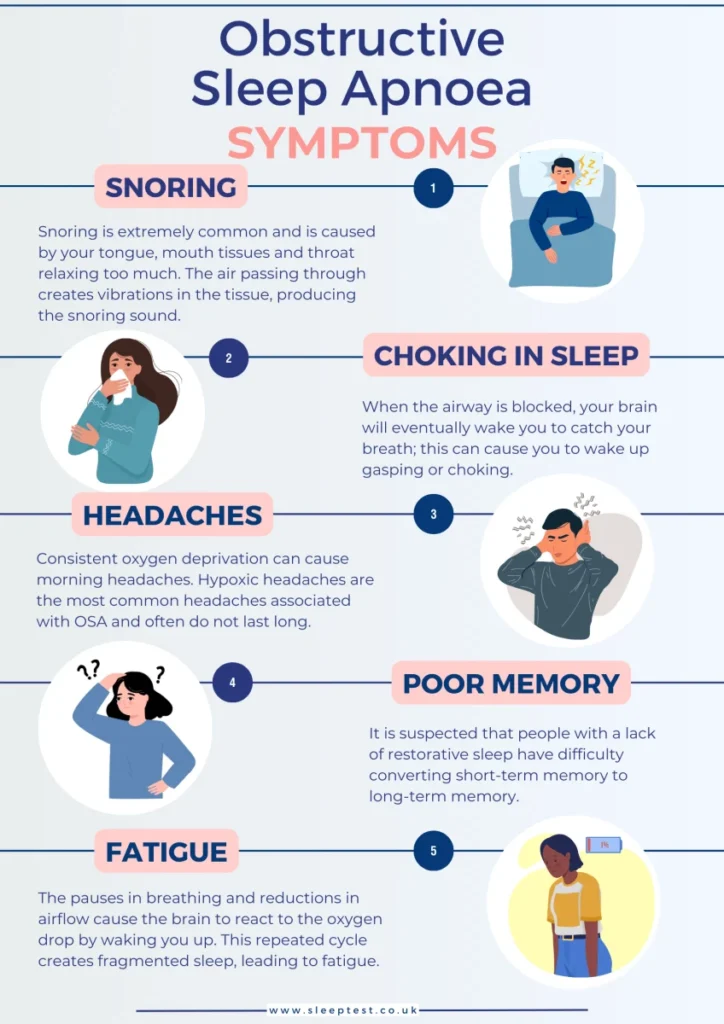
- Choking, gasping, or witnessed breathing pauses during sleep.
- Major daytime sleepiness, morning headaches, or concentration problems.
- Jaw joint (TMJ) issues, significant dental work, or ongoing tooth pain.
- High concern about sleep apnea for any reason.
Supplies: what you actually need (and what’s optional)
Snoring fixes can turn into a shopping cart spiral. Keep it simple.
The essentials
- An anti snoring mouthpiece you can fit and adjust safely.
- A case that ventilates (so it doesn’t stay damp).
- Gentle cleaning routine (follow the product instructions; avoid harsh chemicals).
Helpful add-ons (not mandatory)
- Nasal support if congestion is part of your snoring pattern.
- A simple sleep note (snoring intensity, partner feedback, how you feel in the morning).
- Side-sleep support if back-sleeping is your main trigger.
Step-by-step (ICI): a practical way to try a mouthpiece
Think ICI: Identify your pattern, Choose a device you can verify, then Iterate slowly.
1) Identify your snoring pattern in 3 nights
Don’t overtrack. Just note three things: back vs side sleeping, alcohol timing, and nasal congestion.
This matters because mouthpieces often help most when airway narrowing relates to jaw position and sleep posture.
2) Choose a mouthpiece with buyer-friendly verification
Recent roundups and consumer-style reports have pushed the same theme: don’t buy on hype alone. Verify what you can.
- Fit method: Is it boil-and-bite or another approach? Are instructions clear?
- Adjustability: Can you advance in small steps rather than jumping forward?
- Materials and comfort notes: Are they stated plainly?
- Returns/warranty: Is there a real policy, not vague promises?
- Safety warnings: Do they mention jaw discomfort, dental issues, or when to stop?
If you’re comparing options, start here: anti snoring mouthpiece.
3) Iterate slowly for comfort and results
Night one should feel like a test drive, not a transformation. Aim for comfort first.
Over the next week, make small adjustments if your device allows it. Ask your partner for a simple rating (quiet / improved / same). If you sleep alone, note morning dryness, jaw feel, and whether you wake up less.
4) Re-check sleep quality, not just noise
Snoring volume is only one metric. The real win is better sleep: fewer awakenings, less morning grogginess, and improved mood.
This is where the current “sleep optimization” trend can actually help. Use your tracker if you like, but trust how you function during the day.
Mistakes that waste money (or make sleep worse)
Cranking the jaw forward too fast
More advancement isn’t automatically better. Too much too soon can trigger jaw soreness, tooth discomfort, or headaches.
Ignoring nasal congestion
If your nose is blocked, you may still struggle even with a mouthpiece. Treat congestion as part of the system, not an unrelated annoyance.
Using a mouthpiece to “power through” red flags
Snoring plus choking/gasping, major daytime sleepiness, or suspected apnea deserves medical attention. A device can’t replace proper evaluation.
Expecting a gadget to fix burnout
Workplace stress and travel fatigue can amplify snoring and light sleep. A mouthpiece may reduce noise, but you still need enough time in bed to recover.
FAQ: quick answers people are searching right now
Is a mandibular advancement device the main type of anti-snoring mouthpiece?
Often, yes. Many mouthpieces aim to hold the lower jaw slightly forward to reduce airway collapse and vibration.
How long does it take to know if it’s helping?
Many people get a signal within a week, but comfort and fine-tuning can take longer. Stop if pain persists.
Can I use it if I grind my teeth?
Maybe, but it depends on the device and your teeth/jaw. If you grind heavily or have TMJ symptoms, ask a dental professional.
CTA: make the next step simple
If snoring is dragging down your sleep quality, start with a mouthpiece you can verify, fit, and adjust without guesswork.
How do anti-snoring mouthpieces work?
Medical disclaimer: This article is for general education only and isn’t medical advice. Snoring can be a sign of a sleep-related breathing disorder, including sleep apnea. If you have breathing pauses, choking/gasping, significant daytime sleepiness, or persistent jaw/tooth pain, seek evaluation from a qualified clinician.