
Snoring isn’t just “noise.” It’s sleep getting interrupted, over and over.
And lately, snoring fixes are everywhere—apps, rings, pillows, travel “recovery” kits, and the kind of sleep gadgets people compare like phones.
An anti snoring mouthpiece can be a practical tool, but only if you match it to the right kind of snoring and verify what you’re buying.
Is my snoring “normal,” or a sign I should take seriously?
People joke about snoring in relationships because humor is easier than admitting you’re exhausted. Still, chronic snoring can be a clue that sleep quality is taking a hit for you and anyone within earshot.
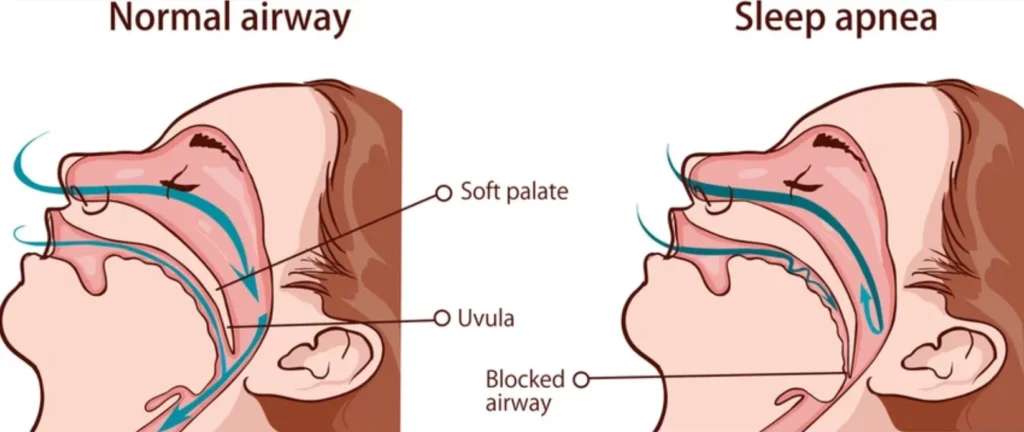
Snoring happens when airflow gets turbulent and soft tissues vibrate. That can show up more during travel fatigue, allergy season, after alcohol, or during stressful stretches when burnout is already pushing your body hard.
One important line: snoring is not the same thing as sleep apnea. Some people snore without apnea, and some people have apnea without “classic” loud snoring.
If you notice choking/gasping, breathing pauses, morning headaches, or daytime sleepiness that feels out of proportion, consider getting evaluated. Reports in mainstream tech and health coverage have also highlighted that sleep apnea can be overlooked in women, partly because symptoms may present differently.
For a general overview of that conversation, see this related coverage: SleepZee Anti-Snoring Mouthpiece Consumer Report: 2026 Analysis of Mandibular Advancement Device Research, Snoring Reduction Claims, and What Buyers Should Verify.
What does an anti snoring mouthpiece actually do?
Most anti-snoring mouthpieces people talk about today fall into the “mandibular advancement” category. In plain language, they gently position the lower jaw forward to reduce airway narrowing.
That positioning can also help keep the tongue from drifting backward. When it works, the airflow becomes smoother and the vibration (snoring) can drop.
It’s not a “knockout” gadget. Think of it like aligning a door that keeps sticking. Small changes in position can make a big difference, but only if the hinge is the real problem.
Why mouthpieces are trending again
People are tired of complicated sleep stacks. Wearables can be useful, but they don’t stop snoring by themselves.
So the current vibe is simple tools that do one job: mouthpieces, positional aids, and routines that survive real life—late-night emails, red-eye flights, and the “I’ll fix it Monday” cycle.
How do I know if a mouthpiece matches my kind of snoring?
Start with pattern-spotting. It’s not glamorous, but it’s effective.
- Back-sleeping snoring: Often more responsive to jaw/tongue positioning and side-sleep strategies.
- Congestion-driven snoring: May improve more with nasal support and allergy management than with jaw advancement alone.
- Alcohol or sedative-related snoring: Can spike because tissues relax more; a mouthpiece may help some, but behavior changes matter too.
- Possible apnea signs: A mouthpiece might be part of a plan, but you should verify safety with a clinician.
If your partner says you stop breathing, or you wake up startled and short of breath, don’t treat that as a “just buy a gadget” moment.
What should I verify before buying (so you don’t waste money)?
Consumer-style roundups and “report” articles have pushed a useful message: verify the basics before you trust big promises. Here’s a quick checklist you can actually use.
1) Fit method: boil-and-bite vs. custom vs. adjustable
Fit drives comfort. Comfort drives consistency. Consistency drives results.
Boil-and-bite can work for many people, but it’s sensitive to technique. Adjustable designs can help you fine-tune jaw position, which matters if you’re trying to balance effectiveness with jaw comfort.
2) Materials and irritation risk
Look for clear material info and care instructions. If a listing is vague about what it’s made of, that’s a red flag.
3) Return policy and realistic claims
Snoring is personal. A return window matters because you may need a week or two to know if the fit and feel are workable.
Be cautious with absolute language like “works for everyone.” Better brands explain who it’s for, who should avoid it, and what to do if symptoms suggest apnea.
How can I make a mouthpiece more comfortable (and more likely to work)?
Most people quit because of comfort issues, not because the idea is bad. Use a simple ramp-up plan.
Start low-drama: ease into wear time
Try it for short periods before sleep while reading or watching something calm. Then wear it for part of the night. Build up as your mouth and jaw adapt.
Check jaw positioning the next morning
A little tightness can happen early on. Sharp pain, clicking that worsens, or headaches that feel new are not “power through” signals.
If your device is adjustable, small changes beat big jumps. Move in tiny steps and give each change a few nights.
Pair it with positioning (the underrated multiplier)
If you snore mostly on your back, side-sleeping support can amplify mouthpiece results. This is the low-tech part of sleep health that still works when your schedule doesn’t.
What about cleanup and daily maintenance?
Hygiene is part of comfort. It also helps the device last.
- Rinse after each use.
- Brush gently with mild soap (unless the manufacturer says otherwise).
- Air-dry fully before storing.
- Replace when it shows wear, warping, or persistent odor.
Avoid harsh chemicals unless the product instructions explicitly recommend them. Some cleaners can degrade materials over time.
Which anti-snore device type are people comparing right now?
Recent “best of” lists tend to group options into a few buckets. Here’s the quick translation.
- Mouthpieces (MAD-style): Focus on jaw position and airway space.
- Tongue-retaining devices: Focus on tongue placement; comfort varies widely.
- Nasal aids: Focus on airflow through the nose; useful when congestion is the driver.
- Positional tools: Focus on keeping you off your back.
If you’re shopping specifically for a mouthpiece approach, a combo setup can be appealing for people who also deal with mouth breathing.
Example product category to explore: anti snoring mouthpiece.
Common questions (fast answers before you commit)
Will I talk funny? With it in, yes. That’s normal. The goal is sleeping, not conversation.
Will it fall out? A good fit reduces that risk. If it pops loose often, refit it or consider a different style.
Can it affect my teeth? It can in some cases, especially with poor fit or long-term use. Dental guidance is smart if you have concerns.
FAQs
Do anti-snoring mouthpieces work for everyone?
No. They tend to help some people who snore from jaw/tongue positioning, but they may not help snoring driven by congestion, alcohol, or untreated sleep apnea.
What’s the difference between a mouthguard and a mandibular advancement device (MAD)?
A basic mouthguard mainly protects teeth. A MAD is designed to hold the lower jaw slightly forward to keep the airway more open during sleep.
How long does it take to get used to an anti-snoring mouthpiece?
Many people need several nights to a few weeks. Start with short wear periods and adjust for comfort if the product allows it.
Can women have sleep apnea even if they don’t snore loudly?
Yes. Some people have subtler signs like fatigue, morning headaches, or disrupted sleep. If you suspect apnea, talk with a clinician.
How do I clean an anti-snoring mouthpiece?
Rinse after use, brush gently with mild soap, and let it fully air-dry. Avoid harsh cleaners unless the manufacturer recommends them.
When should I stop using a mouthpiece and get help?
Stop and seek medical or dental guidance if you have jaw pain, tooth movement, gum irritation, or ongoing choking/gasping at night.
Next step: pick one change you’ll actually keep
If you’re in the “burned out and desperate for quiet” phase, keep it simple. Choose one tool, set it up correctly, and give it a fair trial.
How do anti-snoring mouthpieces work?
Medical disclaimer: This article is for general education only and is not medical advice. Snoring can be a symptom of obstructive sleep apnea or other health conditions. If you have breathing pauses, choking/gasping, significant daytime sleepiness, chest pain, or concerns about your sleep, seek evaluation from a qualified clinician.