
- Snoring is trending because sleep gadgets are everywhere—and so is burnout.
- Sleep quality is the real target, not just “being quieter.”
- An anti snoring mouthpiece is usually about jaw position, not “opening the nose.”
- Buyers should verify fit and comfort before believing big reduction claims.
- Some snoring is a red flag. If breathing pauses show up, don’t DIY it.
What people are talking about right now (and why)
Sleep has become a mini-industry. You see it in the rise of wearables, “sleep score” bragging, and the endless stream of bedside gadgets. Add travel fatigue, daylight savings whiplash, and workplace burnout, and it’s no surprise people are searching for fast fixes.
Snoring also has a social angle. Couples joke about “sleep divorces” (separate rooms) and the pillow wall. Under the humor, there’s a real issue: one person’s snoring can wreck two people’s sleep.
Recent consumer-style roundups and reports have pushed anti-snore devices back into the spotlight, especially mandibular advancement mouthpieces. The takeaway is simple: there are options, but you need to know what you’re buying and what it can realistically do.
What matters medically (without the drama)
Snoring vs. sleep apnea: the line you shouldn’t ignore
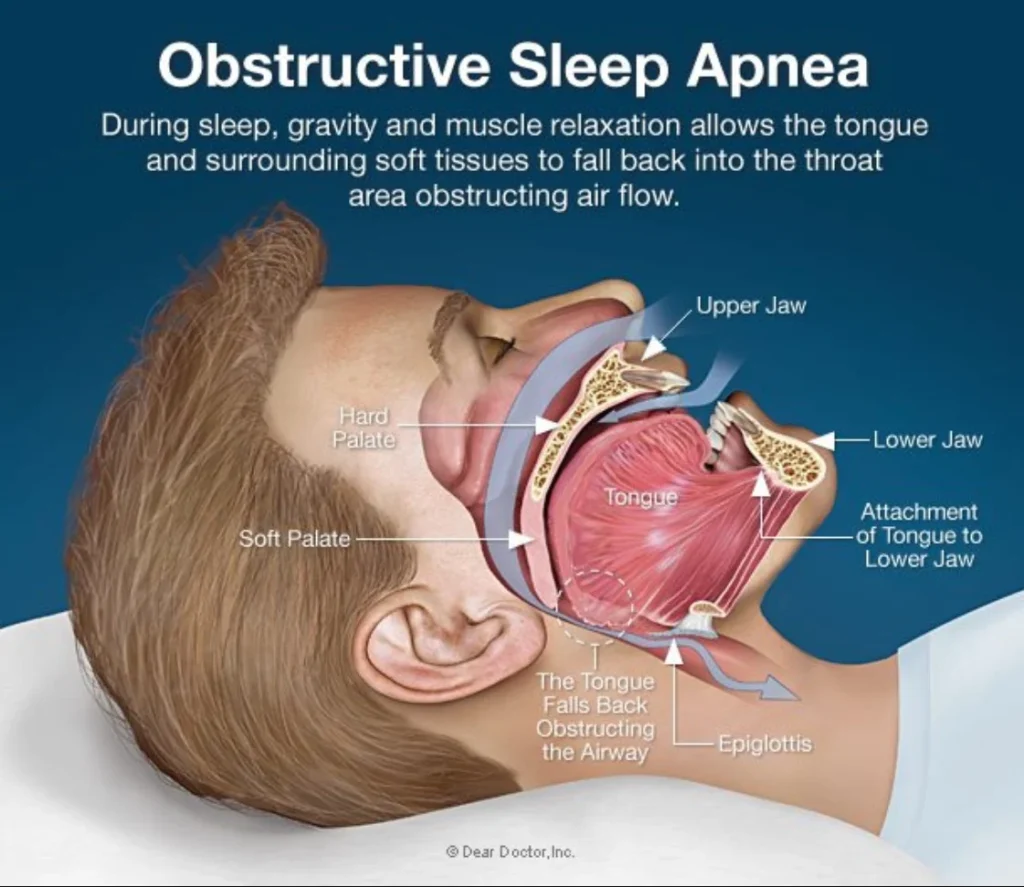
Snoring happens when airflow makes soft tissues vibrate. That can be “just snoring,” or it can sit on the same spectrum as obstructive sleep apnea (OSA). OSA is not something to guess at, because it can affect oxygen levels and overall health.
One reason this is in the news: sleep apnea can be missed, and some groups may be under-recognized. If you want a starting point for what to watch for, see this resource on SleepZee Anti-Snoring Mouthpiece Consumer Report: 2026 Analysis of Mandibular Advancement Device Research, Snoring Reduction Claims, and What Buyers Should Verify.
Why sleep quality drops even when you “sleep enough”
Snoring can fragment sleep. So can stress, alcohol close to bedtime, late-night screens, and irregular schedules. That’s why people feel wrecked after eight hours that weren’t restorative.
Also, snoring isn’t only the snorer’s problem. A partner’s repeated wake-ups can create a cycle of resentment, jokes, and then real fatigue.
Where mouth tape fits in the conversation
Mouth taping is having a moment online. Some people like it for encouraging nasal breathing. Still, it’s not a universal “snoring fix,” and it’s not a substitute for evaluating possible sleep apnea. If you try it, keep it conservative and stop if breathing feels restricted.
How to try at home (a tight, practical sequence)
Step 1: Do a quick snore audit for 3 nights
Before you buy anything, get basic clarity. Use a simple audio recording app or a wearable’s notes. Track: alcohol, congestion, sleep position, and how you feel in the morning.
This matters because the “best device” depends on the pattern. A mouthpiece won’t fix everything, and you’ll waste money if you guess.
Step 2: Try the low-effort levers first
These are boring, but they’re high-yield:
- Side-sleeping (positional snoring is common).
- Earlier alcohol cutoff if you notice louder snoring after drinks.
- Nasal support if you’re congested (saline rinse, humidity, or strips—choose what’s comfortable).
- Consistent sleep window, especially around schedule shifts like daylight savings.
Step 3: Consider an anti snoring mouthpiece if jaw position seems involved
Most anti-snoring mouthpieces people mean today are mandibular advancement devices (MADs). They gently bring the lower jaw forward to help keep the airway more open during sleep.
What buyers should verify (the stuff that gets skipped in hype):
- Adjustability: small changes matter for comfort and effectiveness.
- Fit method: boil-and-bite vs. custom-style approaches have different tradeoffs.
- Materials and comfort: bulky devices fail because people stop wearing them.
- Return policy: your mouth is not a “one size fits all” situation.
If you’re comparing options, start here: anti snoring mouthpiece.
Step 4: Use a simple “tolerance ramp” for the first week
Don’t force it all night on day one. Wear it for short periods before sleep, then increase time as comfort improves. If you wake with sharp jaw pain, tooth pain, or headaches that persist, stop and reassess.
When to stop experimenting and get help
DIY is fine for mild snoring. It’s not fine when symptoms suggest sleep apnea or another issue that needs evaluation.
Get checked sooner (not later) if you notice:
- Witnessed breathing pauses, choking, or gasping
- Excessive daytime sleepiness or morning headaches
- High blood pressure concerns, or worsening fatigue despite “enough” sleep
- Snoring that escalates quickly, especially with weight change or new medications
A clinician can guide testing and discuss options like professionally fitted oral appliances, CPAP, or targeted treatment for nasal obstruction.
FAQ: fast answers people want before they buy
Is an anti-snoring mouthpiece the same as a night guard?
No. A night guard mainly protects teeth from grinding. An anti-snoring mouthpiece is designed to change jaw/tongue position to reduce airway collapse and vibration.
What side effects should I watch for?
Common issues include drooling, dry mouth, gum irritation, and jaw soreness. Persistent pain, bite changes, or tooth pain are signs to stop and get advice.
Can I use a mouthpiece if I’m congested from travel or allergies?
You can, but congestion may still drive mouth breathing and snoring. Pairing a mouthpiece with basic nasal comfort strategies often works better than relying on one tool.
CTA: pick a path you can actually stick with
If snoring is hurting sleep quality, aim for a solution you’ll wear consistently. Comfort and fit beat “most hyped” every time.
How do anti-snoring mouthpieces work?
Medical disclaimer: This article is for general education only and isn’t medical advice. Snoring can be harmless or a sign of a sleep-related breathing disorder. If you have symptoms of sleep apnea or persistent sleep problems, talk with a qualified healthcare professional.