
Before you try anything for snoring, run this quick checklist:
- Track the pattern: Is it worse after alcohol, travel, allergies, or late meals?
- Check the stakes: Is there choking, gasping, or daytime sleepiness?
- Pick one change at a time: Gadgets stack up fast, but confusion stacks faster.
- Verify what you’re buying: Fit, adjustability, materials, and return policy matter.
- Protect the relationship: Snoring jokes are common. Resentment is, too. Treat it like a shared problem.
Snoring is having a cultural moment. Sleep trackers, “smart” alarms, and viral hacks keep popping up. Add travel fatigue, daylight-savings whiplash, and workplace burnout, and people are hunting for anything that makes nights quieter and mornings less brutal.
Why is everyone suddenly talking about sleep quality?
Because sleep is now a performance metric. People compare scores, chase “perfect” routines, and buy gadgets like they’re upgrading a phone. Meanwhile, real life keeps interrupting: kids waking up, late-night emails, and hotel pillows that feel like bricks.
Family sleep is a big part of the conversation. When kids wake up, parents don’t just lose time—they lose deep, restorative sleep. If you want a general, practical read on that theme, see SleepZee Anti-Snoring Mouthpiece Consumer Report: 2026 Analysis of Mandibular Advancement Device Research, Snoring Reduction Claims, and What Buyers Should Verify.
What’s the fastest way to tell if snoring is harming your sleep?
Use a simple two-part test for one week:
- Night signal: audio recordings, partner notes, or a tracker that flags loud snoring.
- Day signal: morning headaches, dry mouth, irritability, or mid-day crashes.
If the night signal is loud and the day signal is ugly, it’s not “just noise.” It’s likely affecting sleep quality for you, your partner, or both.
Are pillows, mouth tape, and sleep gadgets legit—or just trends?
They can be useful, but they’re not interchangeable. Think of them as tools for different bottlenecks.
Anti-snoring pillows: best for positional snoring
People keep sharing lists of pillows that claim to help. The basic idea is simple: change head/neck position and reduce airway collapse in certain sleepers. If your snoring spikes on your back, a positional approach may help.
Mouth tape: a “hack” that needs caution
Mouth taping gets attention because it feels minimal and cheap. It also isn’t for everyone. If nasal breathing is limited, taping can backfire. If you’re curious, treat it as a safety-first experiment, not a dare.
Sleep gadgets: good for feedback, bad for obsession
Trackers can help you notice patterns (late caffeine, travel days, stress spikes). They can also turn sleep into a nightly exam. If your “score” makes you anxious, the gadget is now part of the problem.
Where does an anti snoring mouthpiece fit in right now?
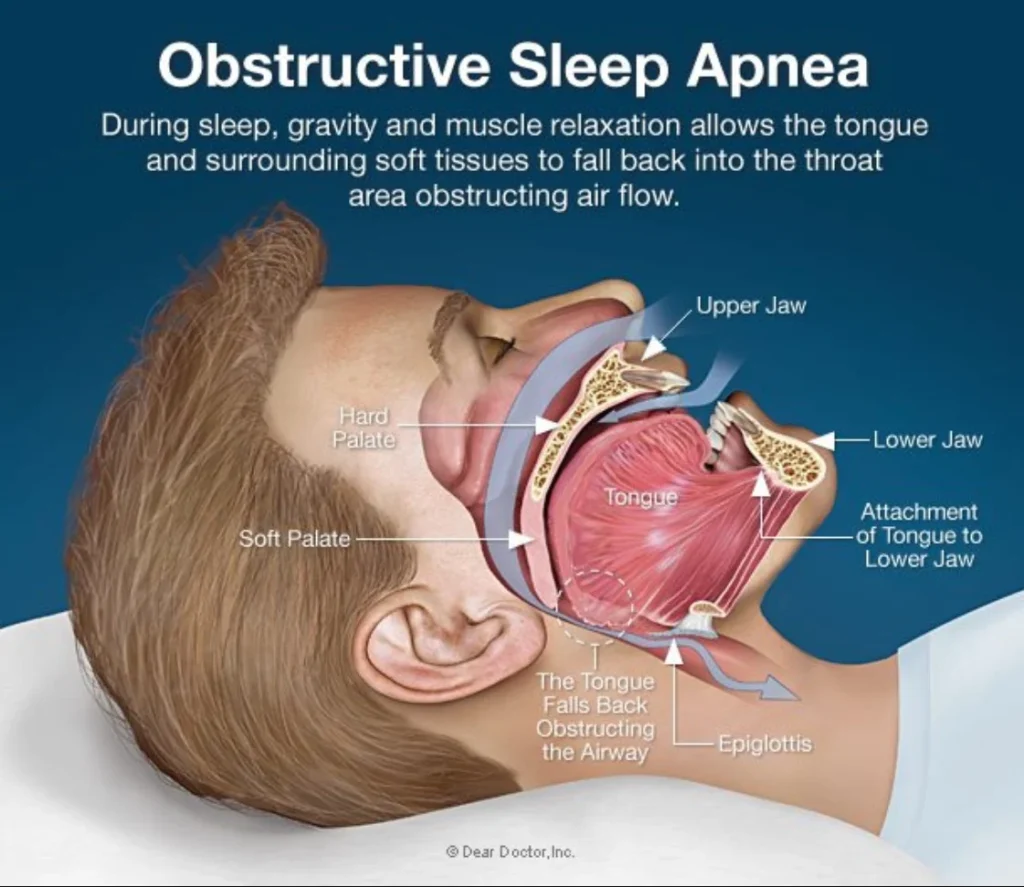
An anti snoring mouthpiece is often discussed alongside mandibular advancement devices (MADs). The concept is straightforward: gently position the lower jaw forward to help keep the airway more open during sleep.
Recent consumer-style coverage has pushed a “verify before you buy” message. That’s the right mindset. Mouthpieces can be helpful, but details matter more than marketing.
What buyers should verify before choosing a mouthpiece
- Adjustability: small changes can affect comfort and results.
- Fit method: some are boil-and-bite; others are more customized.
- Materials: look for clear info on what touches your gums and teeth.
- Jaw comfort: soreness can happen; you want a plan to reduce it.
- Return policy: your mouth is not a “one-size” situation.
How do you pick between a mouthpiece and “sleep hygiene” tips?
Don’t treat it as either/or. Use a simple order of operations:
Step 1: Remove obvious snoring amplifiers
- Alcohol close to bedtime
- Back-sleeping (if that’s your trigger)
- Nasal congestion from colds/allergies
- Overheated room and inconsistent schedule
Step 2: Add one targeted tool
If your snoring seems positional, start with positioning. If it seems tied to jaw/tongue posture, a mouthpiece may be the more direct tool.
Step 3: Make it relationship-proof
Snoring becomes “relationship comedy” online for a reason. Real couples still need sleep. Agree on a two-week trial window for any change, and decide what “better” means (volume, fewer wake-ups, improved mornings).
What about travel fatigue, daylight savings, and burnout?
These are common snoring accelerators. Travel dries you out, changes sleep position, and disrupts timing. Time changes can shift when you feel sleepy, which can change sleep depth and snoring intensity. Burnout adds stress, and stress often worsens sleep continuity.
In those weeks, keep your plan simple: consistent wind-down, fewer late stimulants, and one snoring tool you already know how to use. Novel experiments are harder when you’re exhausted.
Which product option is worth considering if you want a combo approach?
If you’re comparing setups, some people like pairing jaw positioning with gentle support to keep the mouth closed. Here’s a relevant option to review: anti snoring mouthpiece.
FAQ: quick answers people ask before buying
Is snoring always a medical problem?
No. But loud, frequent snoring plus daytime symptoms can signal a bigger issue.
Will a mouthpiece fix dry mouth?
Sometimes, if it reduces open-mouth breathing. Dry mouth can also come from congestion or medications.
Can I use a mouthpiece if I have dental work?
It depends. If you have crowns, braces, TMJ issues, or dental pain, ask a dentist before using one.
Ready to get the basics straight?
How do anti-snoring mouthpieces work?
Medical disclaimer: This article is for general education and does not provide medical advice. Snoring can be a symptom of sleep apnea or other health conditions. If you have choking/gasping, witnessed breathing pauses, significant daytime sleepiness, chest pain, or concerns about safety, talk with a qualified clinician.