
On a red-eye flight, someone in 14B started snoring before the seatbelt sign turned off. By the time the cabin lights dimmed, half the row was bargaining with the universe for noise-canceling headphones. The next morning, the group chat turned it into relationship humor: “If I ever do that, nudge me… or file for divorce.”
That’s the vibe right now. Sleep gadgets are trending, burnout is real, and people want quick fixes that don’t feel sketchy. If you’re considering an anti snoring mouthpiece, use this decision guide to choose safely and avoid wasting money.
First: a fast reality check on snoring and sleep quality
Snoring can be harmless, but it can also be a sign your airway is narrowing during sleep. Either way, it can crush sleep quality—yours and your partner’s. That ripple effect shows up as irritability, foggy focus at work, and “why am I so tired?” mornings.
Recent consumer-style roundups and reports have pushed one theme: verify what you’re buying, and don’t treat bold claims as proof. That’s smart. Mouthpieces can help, but fit and screening matter.
Decision guide: If…then… pick your next step
If your snoring is occasional (travel fatigue, alcohol, congestion)… then start with sleep basics
If snoring spikes after late dinners, drinks, or a brutal travel week, don’t overbuy. Try tightening your sleep routine for a week first. Many campus and clinic sleep-hygiene tips focus on consistent sleep/wake times, a darker room, and less late-night scrolling.
Schedule shifts can also throw you off. If you’re dealing with time changes, review SleepZee Anti-Snoring Mouthpiece Consumer Report: 2026 Analysis of Mandibular Advancement Device Research, Snoring Reduction Claims, and What Buyers Should Verify and build a simple plan for the week around the switch.
If you snore most nights and it’s worse on your back… then a mandibular advancement style may be worth a look
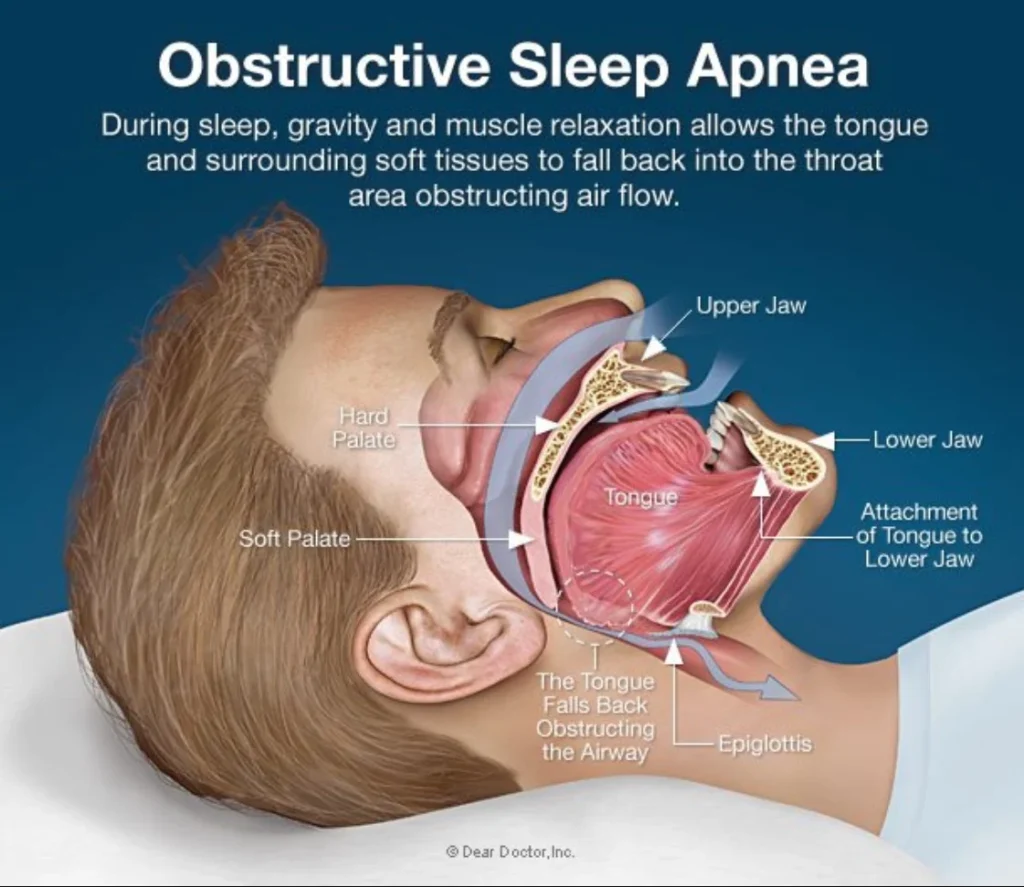
Many people snore more when their jaw and tongue relax backward. A mandibular advancement-style mouthpiece is designed to hold the lower jaw slightly forward to help keep the airway more open.
Before you buy, verify the basics buyers often miss:
- Fit method: boil-and-bite vs dentist-made. Comfort and stability vary.
- Adjustability: small changes can matter for comfort.
- Materials and cleaning: you want clear instructions and realistic upkeep.
- Return policy: your mouth is not a “one size fits all” situation.
If your partner is losing sleep (and patience)… then prioritize comfort and compliance
Relationship jokes are funny until nobody sleeps. The best device is the one you’ll actually wear. If a mouthpiece feels bulky or triggers gagging, you may quit after two nights.
Some people do better with a combo approach that supports both jaw position and mouth closure. If that sounds like you, consider an anti snoring mouthpiece and focus on comfort-first fit. A “perfect” device that sits in a drawer won’t help sleep quality.
If you have jaw pain, TMJ, loose teeth, crowns, or gum issues… then slow down and screen first
Mouthpieces can stress the jaw and teeth. If you already deal with TMJ symptoms, dental instability, or significant dental work, you’re in the group that should be extra cautious.
Document your choice like a grown-up consumer:
- Take a quick note of baseline symptoms (jaw soreness, headaches, dry mouth).
- Keep the product instructions and cleaning steps.
- Stop if you notice persistent pain, bite changes, or tooth sensitivity.
If you have red flags for sleep apnea… then don’t self-treat
Get screened if you have loud snoring plus choking/gasping, witnessed breathing pauses, high daytime sleepiness, or high blood pressure concerns. A mouthpiece may still be part of a plan, but you’ll want the right plan.
What people are talking about right now (and what to ignore)
Sleep tech is everywhere: rings, mats, smart alarms, and “biohacking” routines. Data can be motivating, but it can also create anxiety. If a gadget makes you obsess over numbers, it may hurt sleep more than it helps.
Also trending: quick-fix hacks. Be skeptical of anything that promises instant, universal results. For anti-snore devices, the most useful content right now emphasizes buyer verification—fit, materials, and realistic expectations—over hype.
Quick safety notes for mouthpieces (infection + wear-and-tear)
Keep it clean and dry between uses. Replace it when it degrades, cracks, or won’t stay fitted. Don’t share devices. If you get mouth sores, bleeding gums, or persistent bad odor from the device even after cleaning, stop and reassess.
Medical disclaimer: This article is for general education and does not diagnose, treat, or replace medical or dental care. If you suspect sleep apnea or have jaw/dental conditions, talk with a qualified clinician before using an oral device.
FAQs (fast answers)
Do anti-snoring mouthpieces work for everyone?
No. They’re most helpful when snoring relates to jaw/tongue position, and less helpful when other factors dominate.
What should I verify before buying?
Fit method, adjustability, materials, cleaning instructions, and a real return policy.
Is loud snoring always sleep apnea?
Not always, but it can be. Screen if you have choking/gasping, pauses, or major daytime sleepiness.
Can a mouthpiece cause jaw pain?
Yes. Mild soreness can happen early, but persistent pain or bite changes are reasons to stop and get advice.
Mandibular advancement vs tongue stabilizing?
MADs move the lower jaw forward. Tongue devices hold the tongue forward. Your anatomy and comfort decide which is tolerable.
CTA: Get the simple explanation before you buy
If you want a plain-English overview of what these devices do (and what to check before committing), start here: