
Myth: Snoring is just a funny relationship problem.
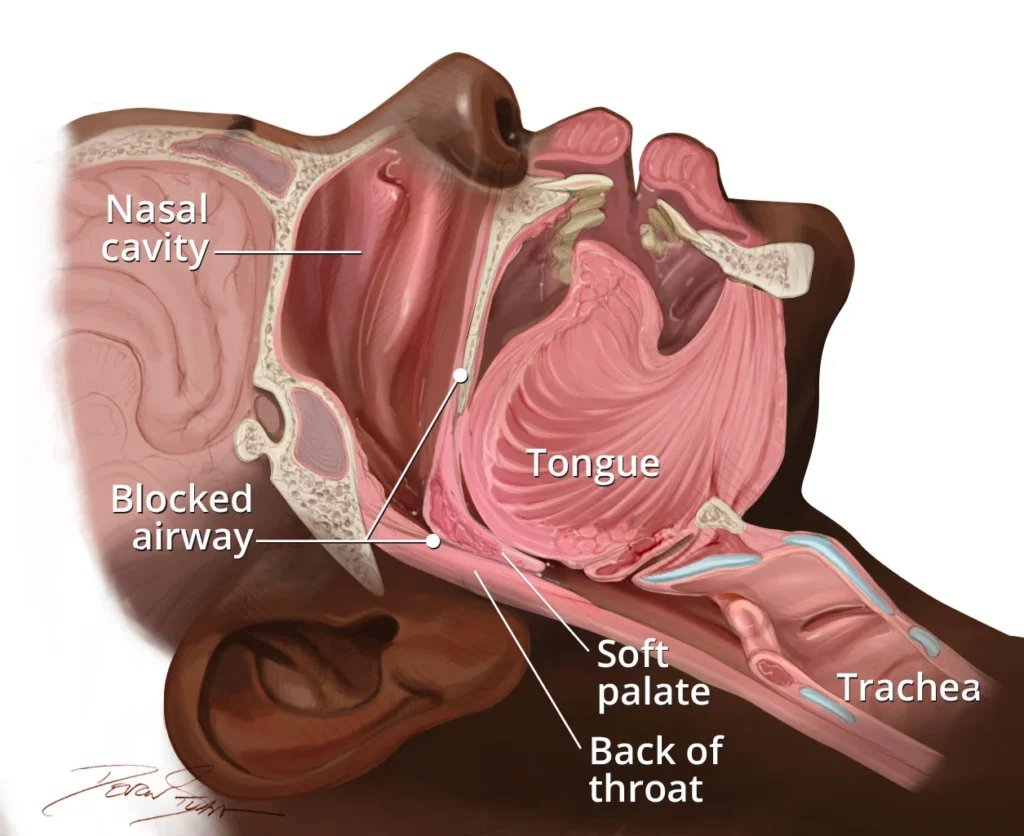
Reality: It can wreck sleep quality for two people at once—then show up the next day as brain fog, irritability, and “why am I so tired?” energy at work.
That’s why snoring fixes are trending again. People are comparing sleep gadgets, pillows, and mouthpieces the way they compare headphones. Add travel fatigue and burnout, and “quiet sleep” starts to feel like a wellness flex.
Why is everyone suddenly talking about snoring gadgets?
Sleep tech is having a moment. You’ll see lists of anti-snore pillows, roundups of devices, and consumer-style reports that push buyers to verify claims before they pay.
If you want a quick snapshot of what’s being discussed in mainstream coverage, scan SleepZee Anti-Snoring Mouthpiece Consumer Report: 2026 Analysis of Mandibular Advancement Device Research, Snoring Reduction Claims, and What Buyers Should Verify.
Still, trends don’t equal truth. Your goal is simple: improve airflow and reduce vibration so sleep stays deeper and less fragmented.
What’s the fastest way to connect snoring to sleep quality?
Snoring often pairs with micro-wakeups. You may not remember them, but your body does. The result can be lighter sleep, more tossing, and a rougher morning.
Partners notice it first. The jokes start (“you’re sawing logs”), then the coping begins (earplugs, couch nights, separate bedrooms). That’s not just a relationship meme. It’s a sleep quality problem.
What is an anti snoring mouthpiece, in plain English?
An anti snoring mouthpiece is a small oral device worn during sleep. Many are designed as mandibular advancement devices (MADs). They gently position the lower jaw forward to help keep the airway more open.
Think of it like changing the angle of a kinked hose. You’re not “forcing” sleep. You’re improving the pathway so breathing is less turbulent.
How do I know if a mouthpiece is the right tool (vs a pillow or gadget)?
Start with what’s most likely driving the noise:
Jaw/tongue position clues
If snoring is worse on your back, or improves when your jaw is slightly forward, a MAD-style mouthpiece may be worth considering.
Nasal congestion clues
If you’re stuffed up, mouth-breathing can spike snoring. In that case, a mouthpiece may help some people, but nasal support and sleep environment changes can matter too.
Red-flag symptoms
If you have choking/gasping, big daytime sleepiness, or witnessed breathing pauses, don’t treat it like a gadget problem. Get medical guidance to rule out sleep apnea.
What should buyers verify before trusting snoring reduction claims?
Consumer-style reports and expert roundups keep circling the same point: verify the basics before you buy. Here’s the no-fluff checklist.
1) Fit method (and whether you can repeat it)
Look for clear steps for molding or sizing. A mouthpiece that fits poorly becomes a drawer item fast.
2) Adjustability (small steps beat big jumps)
Comfort drives consistency. Devices that allow gradual advancement make it easier to find a “works + tolerable” setting.
3) Materials and comfort edges
Check for smooth contact points and a design that won’t dig into gums. If you have dental work or jaw issues, be extra cautious.
4) Return policy and realistic language
A strong return policy is a signal the brand expects variability. Be wary of “works for everyone” messaging.
How do I make a mouthpiece more comfortable (so I actually use it)?
Most failures aren’t about the idea. They’re about comfort and routine.
Start low, then adjust
Go for the minimum effective advancement first. Over-advancing can cause soreness and make you quit.
Pair it with positioning
Side-sleeping support can amplify results. Travel weeks are a common setback, so plan for hotel pillows and jet-lag nights.
Keep the “cleanup tax” tiny
If cleaning feels annoying, consistency drops. Build a 60-second habit: rinse, gentle brush, air-dry.
What’s a simple nightly routine to protect sleep health?
Burnout culture loves a complicated stack. You don’t need one.
- One wind-down cue: dim lights or a short stretch.
- One airway support: mouthpiece or positioning, not five gadgets.
- One hygiene step: clean the device so it’s ready tomorrow.
That’s how you turn a “snoring fix” into a sleep quality upgrade.
Where can I compare mouthpiece options quickly?
If you’re shopping, start with a focused category page and compare fit, adjustability, and care instructions side by side. Here’s a relevant place to begin: anti snoring mouthpiece.
FAQ
Medical disclaimer: This article is for general education only and is not medical advice. Snoring can have multiple causes, including sleep apnea. If you have severe symptoms, breathing pauses, chest pain, or significant daytime sleepiness, seek evaluation from a qualified clinician.