
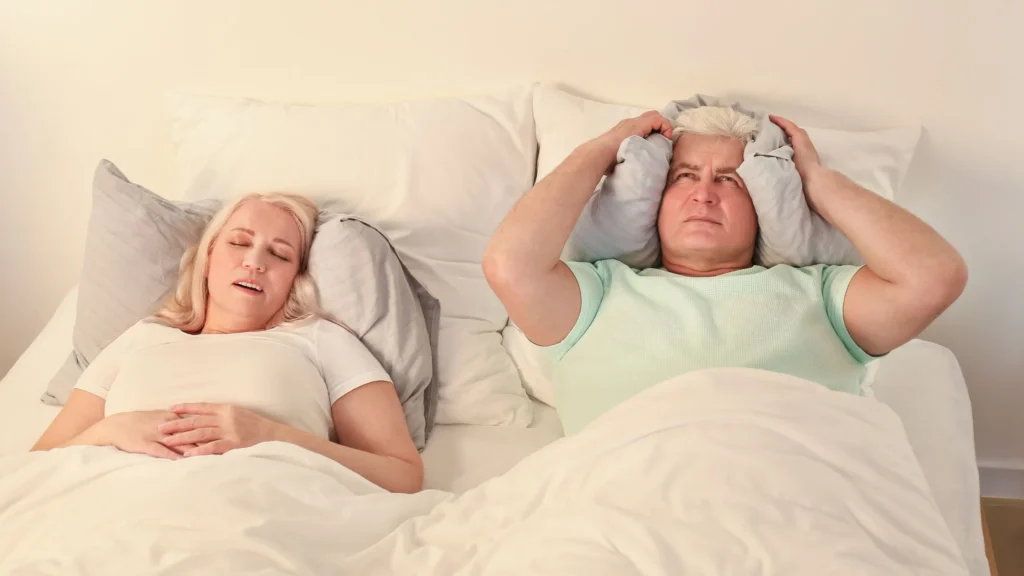
Is snoring actually hurting your sleep quality—or just your partner’s patience?
Are sleep gadgets and “biohacks” replacing the basics like bedtime routine and breathing?
And is an anti snoring mouthpiece a real tool, or another drawer-cluttering purchase?
Here’s the direct answer: snoring can fragment sleep (for you, for them, or both). Sleep trends come and go, but airway mechanics don’t. A mouthpiece can be a practical option for the right person, as long as you verify fit, safety, and expectations.
Big picture: why snoring is suddenly everyone’s “sleep quality” problem
Sleep is having a moment. You see it in smart rings, app scores, and “sleep stack” videos. You also feel it in real life: travel fatigue, daylight savings disruption, and workplace burnout that makes every night feel too short.
Snoring sits right in the middle of that cultural pile-up. It’s loud, it’s visible (to the person awake), and it turns bedtime into a performance review. Even when the snorer feels “fine,” the household’s sleep can still take a hit.
Consumer roundups and reports keep circling one category: mandibular advancement devices (MADs). These are the classic mouthpieces designed to gently move the lower jaw forward to reduce airway collapse in some people. If you want a general overview of what buyers are being told to verify, see this SleepZee Anti-Snoring Mouthpiece Consumer Report: 2026 Analysis of Mandibular Advancement Device Research, Snoring Reduction Claims, and What Buyers Should Verify.
Emotional reality: snoring turns bedtime into a relationship negotiation
Snoring rarely stays “just funny.” At first it’s a joke, a meme, a nudge. Then it becomes the nightly question: “Are we sleeping in the same bed today?”
That pressure matters. When one person braces for noise and the other braces for criticism, stress rises. Stress makes it harder to fall asleep. Less sleep makes everyone more reactive. It’s a loop.
So treat the problem like a shared project, not a character flaw. Use neutral language. Talk about sleep quality, not blame. And pick one change at a time so it doesn’t feel like a referendum on someone’s body.
Practical steps: a no-drama plan that starts tonight
1) Identify your “snore triggers” (without turning it into a trial)
Many people snore more with alcohol, heavy late meals, nasal congestion, or back sleeping. Travel and time changes can also amplify it. That’s why daylight savings and frequent flights often show up in the same conversations as snoring.
Try a simple 7-night log: bedtime, wake time, alcohol, congestion, and whether snoring was “none / some / loud.” Keep it quick. You’re looking for patterns, not perfection.
2) Lock in boring sleep basics before buying another gadget
Sleep hygiene advice keeps trending for a reason: it works when you actually do it. Aim for consistent wake time, a wind-down routine, and a cooler, darker room. If screens are your nighttime habit, set a cutoff you can keep.
These steps won’t “cure” every snore. They often improve sleep depth and reduce the stress that makes the whole situation worse.
3) When an anti snoring mouthpiece is a logical next move
If snoring seems position-related and you want a non-invasive option, a mandibular advancement-style mouthpiece may help by supporting the jaw forward. People compare these to nasal strips, specialty pillows, and other devices in popular roundups.
If you’re shopping, start here: anti snoring mouthpiece. Then read the “verify” checklist below before you commit.
Safety and testing: what to verify before you trust a device
Check fit, adjustability, and materials
A mouthpiece that’s too aggressive can cause jaw soreness or morning bite changes. One that’s too loose won’t do much. Look for clear sizing/fit steps and realistic guidance on adjustment.
Materials matter for comfort and odor. You want instructions for cleaning and replacement timing. If a listing is vague, treat that as a warning sign.
Know when to stop and get checked
Stop using a mouthpiece if you develop persistent jaw pain, tooth pain, gum irritation, or a bite that feels “off” during the day. Those are not badges of progress.
Also watch for red flags that need medical attention: choking/gasping at night, witnessed breathing pauses, severe daytime sleepiness, or high blood pressure concerns. Snoring can exist without sleep apnea, but the overlap is common enough that it’s worth taking seriously.
Do a simple at-home “results test”
Don’t rely on vibes alone. Use one consistent metric for two weeks: partner rating, a basic audio recording, or a wearable trend line. Keep everything else as steady as possible so you can tell what changed.
If you see no improvement after a fair trial, switch tactics rather than endlessly tweaking. The goal is better sleep, not a forever project.
FAQ: quick answers people keep asking
- Do anti-snoring mouthpieces stop snoring for everyone?
No. They’re most likely to help when jaw/tongue position contributes to snoring. Results vary. - How fast should an anti snoring mouthpiece work?
Some notice changes quickly. Others need a gradual adjustment period to balance comfort and effect. - Is snoring always a sign of sleep apnea?
No, but loud frequent snoring plus choking/gasping, pauses, or major daytime sleepiness should be evaluated. - Can mouthpieces hurt your teeth or jaw?
Yes, especially with poor fit or TMJ issues. Stop if pain or bite changes show up. - What should I verify before buying a mouthpiece online?
Fit instructions, adjustability, materials, cleaning guidance, and a clear return policy.
Next step: make it a team decision (and keep it simple)
If snoring is creating tension, agree on one shared goal: both people get better sleep. Pick one change this week. Track it. Then decide what’s next.
How do anti-snoring mouthpieces work?
Medical disclaimer: This article is for general education only and is not medical advice. It does not diagnose, treat, or replace care from a qualified clinician. If you suspect sleep apnea or have jaw/dental issues, talk with a healthcare professional before using an oral device.