
Before you try an anti snoring mouthpiece, run this quick checklist:
- Track the pattern: Is snoring worse after alcohol, long flights, or late meals?
- Check the position: Is it louder on your back than your side?
- Scan for red flags: Choking/gasping, morning headaches, or daytime sleepiness.
- Pick one change at a time: Mouthpiece OR pillow OR nasal support. Don’t stack five gadgets at once.
- Plan for comfort: Jaw feel, saliva/dry mouth, and a cleaning routine.
What people are talking about right now (and why)
Snoring is having a moment because sleep is having a moment. People are comparing gadgets the way they compare headphones. Pillows marketed for “quiet nights” are everywhere. Mouth taping is also trending, with lots of debate about who should avoid it.
There’s also a practical reason: travel fatigue and irregular schedules can make snoring more noticeable. Add workplace burnout, and many households are negotiating sleep like it’s a shared calendar. The relationship humor is real, but the impact is, too: broken sleep can make everything feel harder the next day.
Consumer-style reports on mandibular advancement devices are pushing one theme: verify what you’re buying and what claims actually mean. If you want a general overview of what those discussions focus on, see this reference on SleepZee Anti-Snoring Mouthpiece Consumer Report: 2026 Analysis of Mandibular Advancement Device Research, Snoring Reduction Claims, and What Buyers Should Verify.
What matters medically (without the hype)
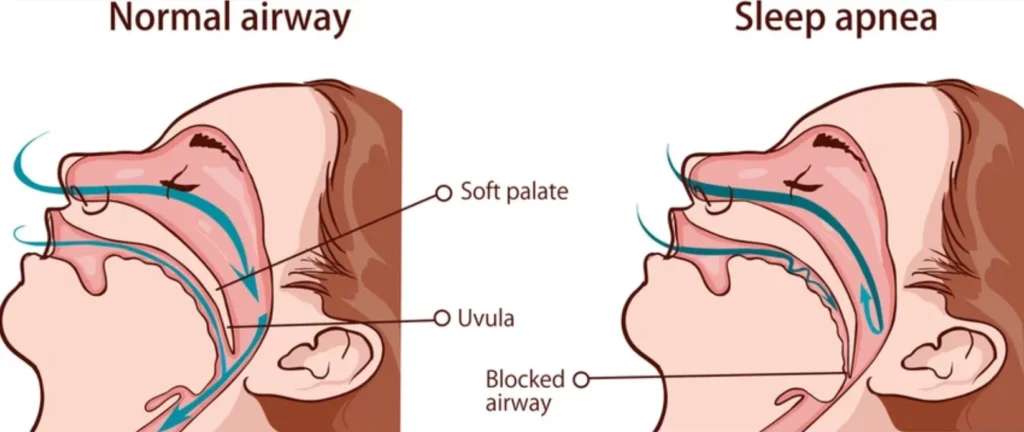
Snoring usually happens when airflow gets turbulent and nearby tissues vibrate. That can be influenced by jaw position, tongue position, nasal congestion, alcohol, and sleep posture.
An anti snoring mouthpiece is often a mandibular advancement device (MAD). It gently brings the lower jaw forward. That can help keep the airway more open for some sleepers.
Snoring vs. sleep apnea: don’t guess
Snoring can be “just snoring,” but it can also show up with obstructive sleep apnea. If you notice gasping, choking, repeated awakenings, or heavy daytime sleepiness, treat that as a reason to get evaluated rather than buying another gadget.
How to try it at home (tools + technique that make it easier)
1) Choose one primary tool for a 2-week trial
If you’re testing a mouthpiece, keep the rest simple. Use your normal pillow at first. Stick to your usual bedtime routine. That makes it easier to tell what’s helping.
If you’re shopping, start with a clear category: anti snoring mouthpiece typically focus on jaw positioning rather than sound masking. Look for straightforward fit guidance, materials you can tolerate, and a realistic return policy.
2) Fit: aim for “secure,” not “cranked forward”
Many people over-advance the jaw on night one. That’s a fast path to soreness. A better goal is a stable fit that stays in place while feeling mild, not forceful.
- ICI basics: think Incremental change, Comfort first, and Consistency nightly.
- Comfort check: you should be able to relax your face. If you’re clenching, back off.
- Morning check: brief stiffness can happen early on. Sharp pain or locking is not a “push through it” situation.
3) Positioning: use gravity in your favor
Back sleeping often makes snoring louder. If you can tolerate side sleeping, it’s a low-tech upgrade that pairs well with a mouthpiece. Try a pillow hug or a body pillow to keep your shoulders from rolling back.
Travel can undo good habits. Hotel pillows and jet lag change posture and sleep depth. Pack a small support pillow or use a towel roll to keep your neck neutral.
4) Cleanup: keep it simple so you’ll actually do it
A mouthpiece only helps if you use it. A fussy cleaning routine makes people quit. Rinse after use, brush gently with mild soap, and air-dry. Skip hot water unless your product instructions say it’s safe.
5) Quick ways to measure progress (without overthinking)
- Partner report: fewer wake-ups and fewer elbow nudges counts.
- Phone audio: a basic recording can show if intensity and frequency drop.
- Morning signal: less dry mouth and fewer headaches can be meaningful.
When to stop experimenting and get help
Get medical guidance if you notice any of the following:
- Gasping, choking, or pauses in breathing during sleep
- Daytime sleepiness that affects driving, work, or mood
- High blood pressure concerns or new heart symptoms
- Jaw pain that persists, tooth discomfort, or bite changes
- Severe nasal blockage that forces mouth breathing
A clinician can help rule out sleep apnea and suggest the right path. That might include a custom dental device, airway evaluation, or other therapies.
FAQ: quick answers people want before buying
Is an anti-snoring pillow enough?
Sometimes. Pillows can help if your snoring is mostly position-related. If jaw/tongue position is the main driver, a mouthpiece may be more direct.
What about mouth tape?
It’s widely discussed, but it’s not for everyone. If you can’t breathe freely through your nose, taping can be unsafe. When in doubt, ask a clinician.
Can I use a mouthpiece if I have dental work?
Maybe. Crowns, implants, and braces can change what’s appropriate. A dentist can tell you if a device is compatible with your mouth.
Next step: get a plan you’ll stick with
If snoring is hurting sleep quality, pick one tool and one technique to start. Comfort and consistency beat “perfect” every time. When you’re ready to explore options, begin here and keep your trial simple.
How do anti-snoring mouthpieces work?
Medical disclaimer: This article is for general education only and is not medical advice. Snoring can be a sign of obstructive sleep apnea or other health conditions. If you have breathing pauses, gasping, significant daytime sleepiness, chest symptoms, or persistent jaw/tooth pain, seek evaluation from a qualified clinician.