
On a red-eye flight, an exhausted traveler dozes off with a neck pillow, a sleep mask, and a phone app tracking “sleep score.” Ten minutes later, the snoring starts. The row behind them laughs, the seatmate sighs, and the traveler wakes up confused—because they swear they “sleep fine” at home.
That little scene shows why snoring is trending again. People are buying sleep gadgets, swapping hacks, and joking about relationship sleep “negotiations.” At the same time, burnout and travel fatigue make sleep quality feel fragile. If you’re comparing tools, an anti snoring mouthpiece is one of the most talked-about options—especially mandibular advancement devices (MADs).
Is snoring just annoying, or is it hurting sleep quality?
Snoring can be a noise problem and a sleep problem. Even when the snorer doesn’t fully wake up, the sound can fragment a partner’s sleep. That can spill into mood, focus, and patience the next day.
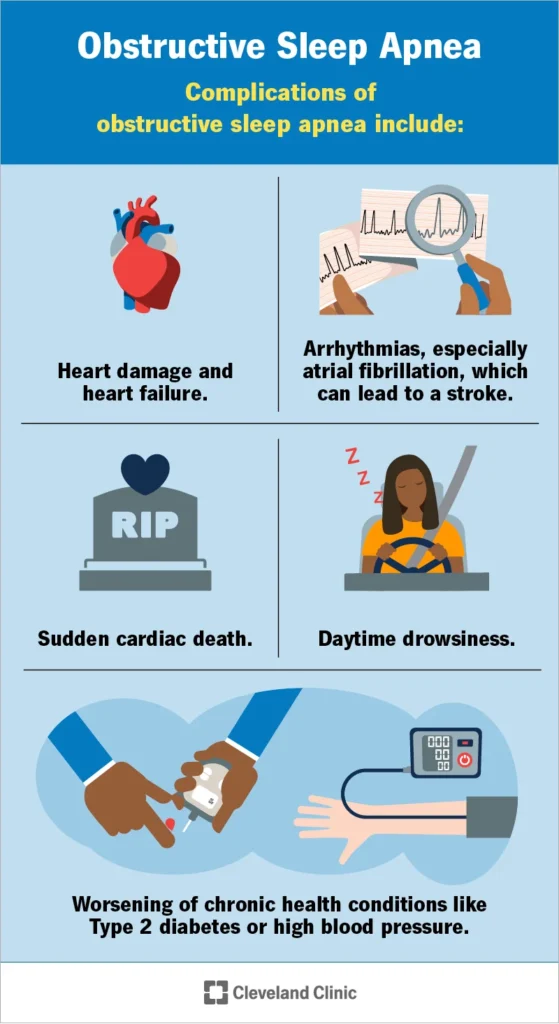
Snoring can also be a clue. In some people, it sits on the same spectrum as sleep-disordered breathing. Recent coverage has highlighted that sleep apnea can be missed more often in women, partly because symptoms may look different or get labeled as “stress” or “poor sleep.” If you’re wondering what to watch for, this search-style resource is a helpful starting point: SleepZee Anti-Snoring Mouthpiece Consumer Report: 2026 Analysis of Mandibular Advancement Device Research, Snoring Reduction Claims, and What Buyers Should Verify.
Quick self-check: when to take snoring more seriously
- Snoring plus choking, gasping, or witnessed pauses in breathing
- Waking with headaches, dry mouth, or a sore throat often
- Daytime sleepiness that feels out of proportion to your schedule
- High blood pressure or other risk factors you’ve discussed with your clinician
Why are anti-snoring mouthpieces getting so much attention right now?
People want solutions that don’t require a full bedroom makeover. A mouthpiece is small, travel-friendly, and doesn’t need charging. That matters when you’re juggling a busy household, a roommate situation, or constant work travel.
There’s also a “buyer beware” vibe in recent consumer-style coverage. Shoppers are comparing snoring reduction claims, looking for what research actually supports, and asking what they should verify before buying. That’s a healthy trend.
How does an anti snoring mouthpiece change breathing at night?
Most anti-snoring mouthpieces people discuss today fall into two buckets:
- Mandibular advancement devices (MADs): These gently bring the lower jaw forward. That can help keep the airway more open by changing tongue and soft tissue position.
- Tongue-retaining devices (TRDs): These aim to hold the tongue forward using suction.
If your snoring is mainly positional—worse on your back, worse after alcohol, worse when you’re overtired—a MAD-style mouthpiece is often the first category people consider.
What should buyers verify before choosing a mouthpiece?
Skip the hype and focus on fit, adjustability, and comfort. Those three decide whether you’ll actually wear it.
1) Fit: will it stay put without feeling aggressive?
A mouthpiece that shifts around can irritate gums and fail to do its job. Look for clear sizing guidance and instructions that match your comfort level.
2) Adjustability: can you change the jaw position gradually?
Many MADs work best when you can advance in small steps. Big jumps can cause jaw soreness. A gradual approach also helps you find the minimum effective setting.
3) Comfort and bite feel: what happens in the morning?
Some people notice temporary bite changes or jaw stiffness on waking. That’s one reason “start low and go slow” matters. If you have TMJ pain, loose dental work, or gum disease, talk with a dentist before using a device.
4) Materials and cleanup: can you keep it simple?
Complicated cleaning routines don’t last. Plan for a quick rinse, gentle brushing, and air-drying. Also check whether the device is compatible with your travel routine.
Are sleep “hacks” like mouth tape the same thing?
No. Mouth tape is trending in sleep circles, but it targets a different issue: encouraging nasal breathing. It may be risky for people who can’t breathe well through their nose, and it’s not a substitute for evaluating possible sleep apnea.
If you’re tempted to stack hacks, keep it basic. Start with one change at a time so you can tell what’s helping.
What else improves sleep quality when snoring is in the mix?
Even the best device struggles against a chaotic schedule. These are the “boring” habits that keep showing up in campus health and sleep hygiene advice—and they work because they’re consistent.
Try the ICI basics: Intake, Comfort, and Interval
- Intake: Watch late alcohol and heavy meals. Both can worsen snoring for some people.
- Comfort: Side-sleeping support (pillow placement) can reduce positional snoring.
- Interval: Keep sleep and wake times tighter when you can, especially around schedule shifts like daylight savings.
If kids are waking up at night, the whole house feels it. In that season, aim for small wins: consistent wind-down cues, dimmer lights, and fewer “just one more episode” negotiations.
Which product setup do people like for travel and partner peace?
Many shoppers look for a combo approach: a mouthpiece for jaw positioning plus a chinstrap for added support. If you’re comparing options, here’s a relevant product-style search term to explore: anti snoring mouthpiece.
Keep expectations realistic. The goal is quieter, steadier breathing and better sleep continuity. It’s not instant perfection.
FAQs
Do anti-snoring mouthpieces work for everyone?
No. They’re most likely to help when snoring is related to jaw/tongue position. Other causes may need different solutions.
How long does it take to adjust?
Give it time. Many people need several nights to a few weeks, especially with MAD-style devices.
Is snoring always sleep apnea?
No, but loud frequent snoring plus choking/gasping or major daytime sleepiness is worth a medical conversation.
Can I use mouth tape with a mouthpiece?
Ask a clinician if you have any breathing concerns. If you try anything, change one variable at a time and stop if you feel unsafe.
What’s the easiest cleaning routine?
Rinse, gently brush with mild soap, and air-dry. Avoid heat unless the instructions allow it.
Next step: get the basics right before you chase more gadgets
Snoring solutions work best when you pair the right tool with the right routine. Start with fit and comfort, then build consistency around sleep timing and positioning.
How do anti-snoring mouthpieces work?
Medical disclaimer: This article is for general education only and is not medical advice. Snoring can be a symptom of sleep apnea or other health conditions. If you have choking/gasping at night, significant daytime sleepiness, pregnancy-related sleep changes, or concerns about TMJ/dental health, talk with a qualified clinician or dentist.