
Myth: Snoring is just an annoying sound.
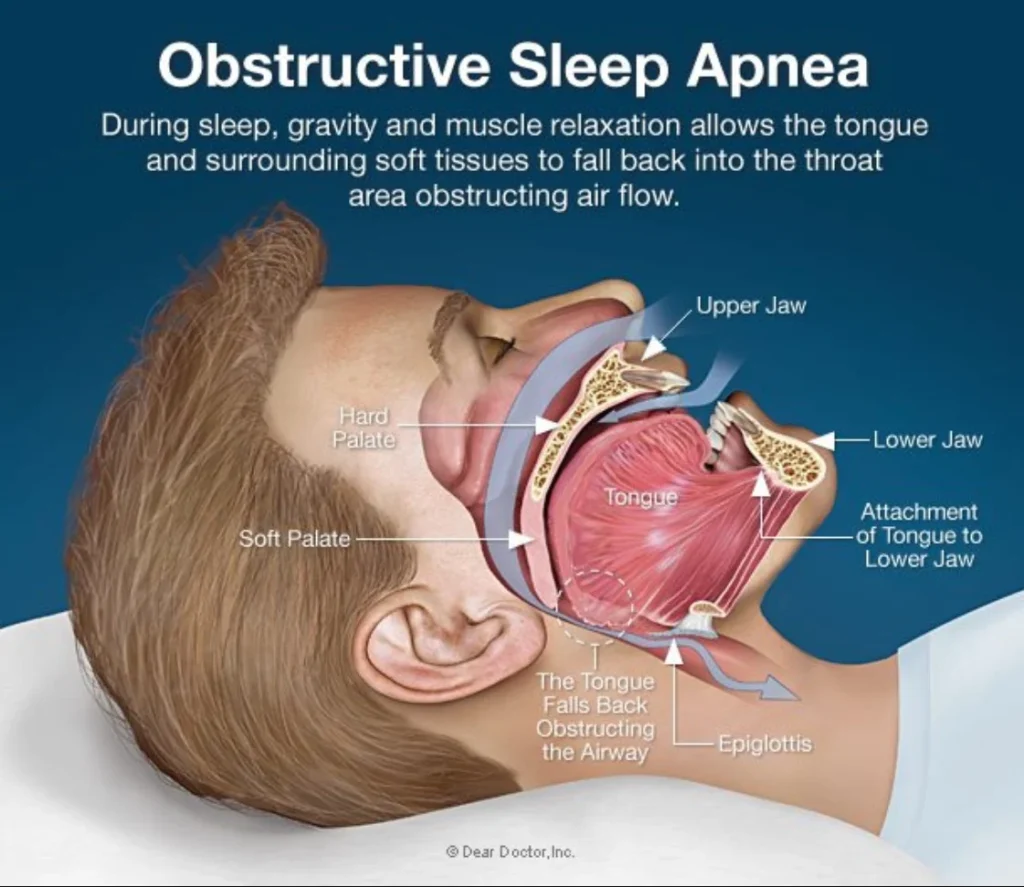
Reality: Snoring can be a sleep-quality problem for two people at once. It can also be a sign you should screen for sleep apnoea, especially when fatigue and burnout already have your brain running on low battery.
Right now, sleep is having a moment. People are comparing gadgets, trying viral “hacks,” and packing travel pillows like they’re carry-on essentials. Meanwhile, couples keep making jokes about “who stole the sleep,” because humor is cheaper than a second bedroom.
A quick safety screen before you buy anything
Before you shop for an anti snoring mouthpiece, do a fast red-flag check. This protects your health and helps you document a sensible choice.
- Get checked soon if you have choking/gasping at night, witnessed breathing pauses, or severe daytime sleepiness.
- Don’t ignore morning headaches, high blood pressure concerns, or falling asleep unintentionally.
- Be cautious if you have significant jaw pain, TMJ issues, loose teeth, or major dental work.
If you’re unsure whether it’s simple snoring or something more, this is a helpful starting point to discuss with a clinician: SleepZee Anti-Snoring Mouthpiece Consumer Report: 2026 Analysis of Mandibular Advancement Device Research, Snoring Reduction Claims, and What Buyers Should Verify.
Decision guide: If…then… what to try next
Use these branches like a flowchart. Pick the first one that matches your situation.
If your snoring is new after travel, late nights, or burnout… then start with basics
Jet lag, alcohol, and stress can all make snoring louder. So can sleeping on your back in an unfamiliar bed. Try a one-week reset before you buy a drawer full of devices.
- Keep a consistent sleep window for 7 nights.
- Limit alcohol close to bedtime.
- Side-sleep when possible.
If the snoring fades, you learned something. If it doesn’t, move down the list.
If your partner says the snoring is constant and disruptive… then consider a mouthpiece category
This is where anti-snore devices are getting a lot of attention in consumer roundups and “what to verify” style reports. The big idea is simple: match the tool to the likely cause.
- Jaw-position related snoring: a mandibular advancement-style mouthpiece may help by gently moving the lower jaw forward.
- Nasal congestion: address nasal breathing first; a mouthpiece may not be the main fix.
- Back-sleeping snoring: positional strategies can matter as much as any device.
If you want to compare options in one place, start here: anti snoring mouthpiece.
If you wake up with jaw soreness or tooth discomfort… then prioritize fit and stop if pain persists
A mouthpiece should not feel like a punishment. Mild adjustment discomfort can happen, but sharp pain, tooth shifting concerns, or worsening TMJ symptoms are stop signs.
- Choose products with clear sizing or adjustability instructions.
- Follow cleaning directions to reduce irritation and hygiene issues.
- Document what you tried and what you felt (date, duration, symptoms).
That simple log helps you make safer decisions and have a clearer conversation with a dentist or sleep clinician if you need one.
If you’re tempted by viral sleep “hacks”… then separate trends from tools
Sleep trends come in waves: wearables, smart rings, white-noise machines, and now plenty of social-media experiments. Some people also talk about mouth taping. It’s not the same as treating snoring, and it can be risky if you can’t breathe well through your nose or if sleep apnoea is possible.
When in doubt, choose options with straightforward mechanics, clear warnings, and a return policy. Avoid stacking multiple hacks at once. You won’t know what helped.
What to verify before buying an anti-snoring mouthpiece
Consumer-style reports keep circling back to the same buyer checks. Use this list to reduce regret purchases and safety issues.
- Materials: look for clear material disclosure and care instructions.
- Fit method: understand how it sizes or adjusts before you open it.
- Comfort plan: see if there’s a step-up approach for adjustment.
- Cleaning: confirm how to clean it and how often to replace it.
- Returns: prioritize a reasonable return window in case it’s not for you.
FAQ: quick answers people ask right now
Can a mouthpiece improve sleep quality?
It can, if snoring is what’s fragmenting sleep for you or your partner. Better sleep often shows up as fewer awakenings and less morning grogginess.
Will a mouthpiece fix workplace burnout?
No, but quieter, more consistent sleep can make burnout easier to manage. Think of it as removing one drain on your energy, not solving everything.
Should I use a mouthpiece if I suspect sleep apnoea?
Don’t self-diagnose. If you have warning signs, get screened first. Treatment choices differ, and safety matters.
CTA: take the next step (without overcomplicating it)
If snoring is hurting sleep at home, start with the decision guide above. Then pick one change to test for a week. If you’re ready to explore mouthpieces, compare options and verify fit, materials, and returns before you commit.
How do anti-snoring mouthpieces work?
Medical disclaimer: This article is for general education only and is not medical advice. Snoring can have many causes, including sleep apnoea. If you have breathing pauses, choking/gasping, severe daytime sleepiness, chest pain, or persistent jaw/tooth pain, seek evaluation from a qualified clinician.