
On a Sunday night, “M.” set an alarm for 6:30, plugged in a new sleep gadget, and promised themselves this week would be different. By 2:00 a.m., the tracker said they were “awake” again. Their partner rolled over with that half-joking, half-defeated sigh that says: the snoring is back.
If that sounds familiar, you’re not alone. Snoring is having a moment in the wider sleep conversation—alongside burnout, travel fatigue, and the endless parade of “biohacking” products. The key is separating annoyance from something that needs medical attention, then choosing tools that match the problem.
Medical disclaimer: This article is for general education only. It doesn’t diagnose, treat, or replace care from a qualified clinician. If you suspect sleep apnea or have concerning symptoms, seek medical evaluation.
Is snoring “just noise,” or could it be a sleep health issue?
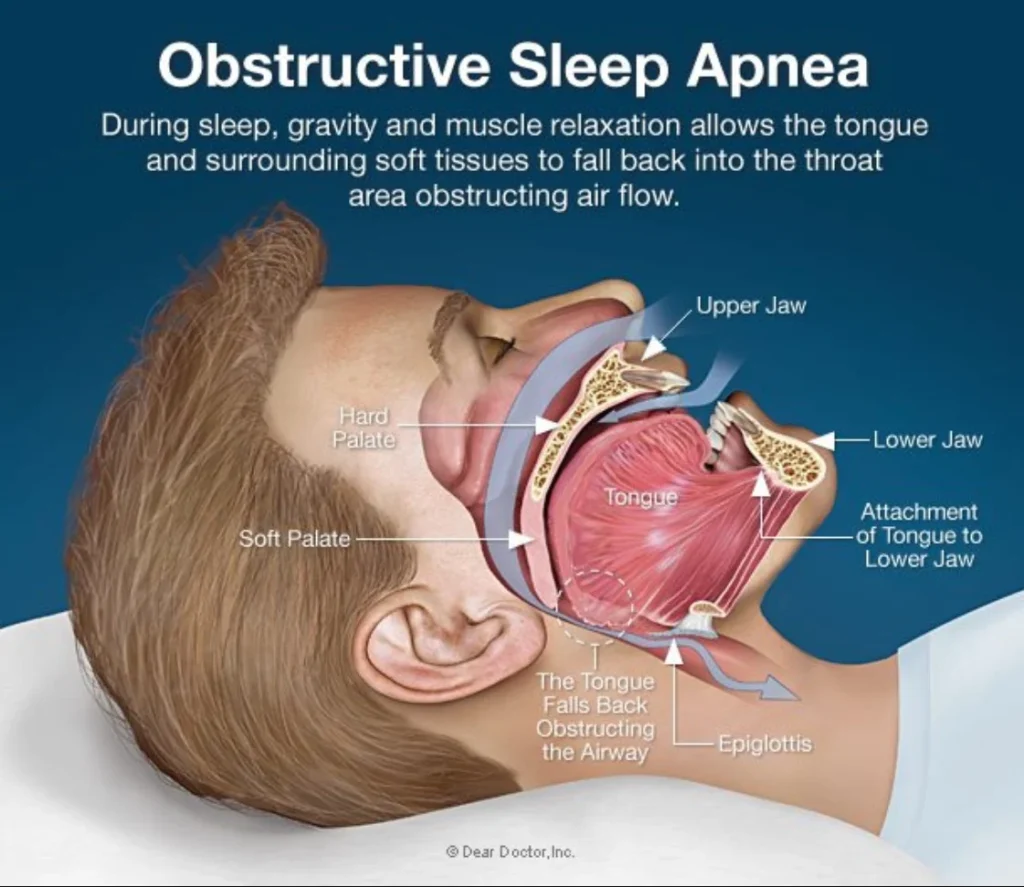
Snoring happens when airflow gets turbulent as you breathe during sleep. Sometimes it’s positional (back sleeping), sometimes it’s congestion, and sometimes it’s anatomy and muscle tone relaxing at night.
But there’s another reason snoring is in the headlines: it can also show up with sleep apnea. That’s why many recent stories frame snoring as a possible signal, not just a relationship punchline.
Quick red flags to take seriously
- Breathing pauses, choking, or gasping reported by a partner
- Excessive daytime sleepiness or “brain fog” that won’t quit
- Morning headaches or dry mouth
- High blood pressure or heart risk factors (discuss with your clinician)
Sleep apnea can also go undetected, and some coverage has highlighted that symptoms may be missed or minimized in women. If your sleep feels unrefreshing even when you get enough hours, that’s worth checking.
If you want a general news overview tied to this topic, see: Snoring could be a sign of sleep apnea—see if this device can help.
What exactly is an anti snoring mouthpiece, and what does it do?
An anti snoring mouthpiece is a small oral device worn during sleep. Many designs aim to keep the airway more open by adjusting how the jaw or tongue sits.
The two common styles people compare
- Mandibular advancement devices (MADs): These gently bring the lower jaw forward, which may reduce airway collapse for some sleepers.
- Tongue-retaining devices (TRDs): These help keep the tongue from falling back, which can matter for certain snoring patterns.
In plain language: the goal is better airflow and less vibration. That can mean quieter nights and fewer wake-ups caused by noise, micro-arousals, or partner nudges.
When do mouthpieces make the most sense right now?
People are buying sleep gear like they buy luggage: because they’re tired of being tired. Travel fatigue, irregular schedules, and workplace burnout make sleep feel fragile. In that context, a mouthpiece can be appealing because it’s small, portable, and doesn’t require a power cord.
Mouthpieces are often discussed as an option when:
- Snoring is frequent and disruptive
- You suspect position plays a role (especially back sleeping)
- You want a non-pharmaceutical approach to try alongside sleep hygiene
They’re not a substitute for proper evaluation if sleep apnea is suspected. If you have red flags, start with a clinician and testing.
What should you verify before buying one?
Consumer-style reports and product roundups keep repeating the same theme: don’t treat bold “snoring reduction” claims as automatic proof. Instead, verify fit approach, materials, and return policies. Your mouth is not a one-size-fits-all environment.
A quick buyer checklist (no fluff)
- Fit method: How does it size? Is it adjustable? Is there a safe way to customize without over-tightening?
- Comfort plan: Is there guidance for easing in over several nights?
- Jaw/TMJ considerations: If you have jaw pain, clicking, or a history of TMJ issues, talk to a dental professional before using a jaw-advancing device.
- Materials & cleaning: Look for clear cleaning instructions and durable materials that won’t warp easily.
- Refund/replace policy: Fit is everything. A solid policy matters.
If you’re comparing options, you can browse anti snoring mouthpiece to see common styles and features people look for.
How do you get a mouthpiece to feel comfortable (and stay that way)?
Most “it didn’t work” stories come down to comfort, positioning, or unrealistic expectations on night one. Think of it like breaking in new shoes, except the shoes are your bite.
Comfort and positioning basics
- Start slow: If the product allows it, ease into the setting rather than maxing it out immediately.
- Pay attention to your morning bite: Mild oddness can happen early. Persistent bite changes or pain is a stop sign.
- Pair it with position support: Side-sleeping and head/neck alignment can help some people. A mouthpiece isn’t the only lever.
Cleanup: the unsexy part that affects everything
Daily cleaning reduces odor and buildup. Rinse after use, clean gently as directed, and let it dry fully before storing. Avoid harsh chemicals unless the manufacturer recommends them.
How can you protect sleep quality beyond the mouthpiece?
Snoring is one piece of the sleep-quality puzzle. The current “sleep optimization” trend can help if it stays simple: consistent timing, less late caffeine/alcohol, and fewer midnight scroll sessions.
Also, don’t underestimate relationship logistics. A mouthpiece can reduce friction, but so can agreeing on a wind-down routine, a fan for steady noise, or a temporary sleep setup during illness or intense travel weeks.
FAQs
Do anti-snoring mouthpieces work for everyone?
No. They can help some people—especially with simple snoring—but they’re not a universal fix. If symptoms suggest sleep apnea, get evaluated.
What’s the difference between a mouthpiece and a CPAP?
A mouthpiece repositions the jaw or stabilizes the tongue to reduce airway collapse. CPAP uses air pressure to keep the airway open and is commonly prescribed for diagnosed sleep apnea.
How do I know if my mouthpiece fit is too tight?
Sharp tooth pain, jaw locking, worsening headaches, or numbness are red flags. Stop using it and consider professional guidance.
Can women have sleep apnea even if they don’t “snore loudly”?
Yes. Symptoms can look different, and snoring volume isn’t the only clue. Persistent fatigue, morning headaches, and nighttime waking can matter too.
How often should I clean an anti-snoring mouthpiece?
Rinse after each use and clean daily with a gentle method recommended by the maker. Let it dry fully to reduce odor and buildup.
Next step: get a clearer answer fast
If snoring is hurting your sleep quality, focus on two things: (1) rule out red flags for sleep apnea, and (2) choose a device you can actually wear comfortably.