
Myth: Snoring is just a noisy habit.
Reality: Snoring is often a sleep-quality problem first—and a relationship joke second. It can spike during travel fatigue, stressful work weeks, or the week daylight savings shifts your schedule. And yes, the new wave of sleep gadgets and “quick fixes” has people talking.
This guide keeps it simple: what snoring can mean, how an anti snoring mouthpiece fits into sleep health, and when it’s time to stop experimenting and get checked.
Is snoring actually hurting my sleep quality?
Even if you don’t fully wake up, snoring can fragment sleep. That often shows up as brain fog, low patience, headaches, or that “I slept 8 hours but feel awful” feeling.
It also affects the person next to you. Relationship humor aside, two people sleeping poorly can turn small issues into bigger ones. If you’re both running on fumes, everything feels louder—especially snoring.
Clues it’s more than “just noise”
- You wake with a dry mouth or sore throat.
- You feel unrefreshed most mornings.
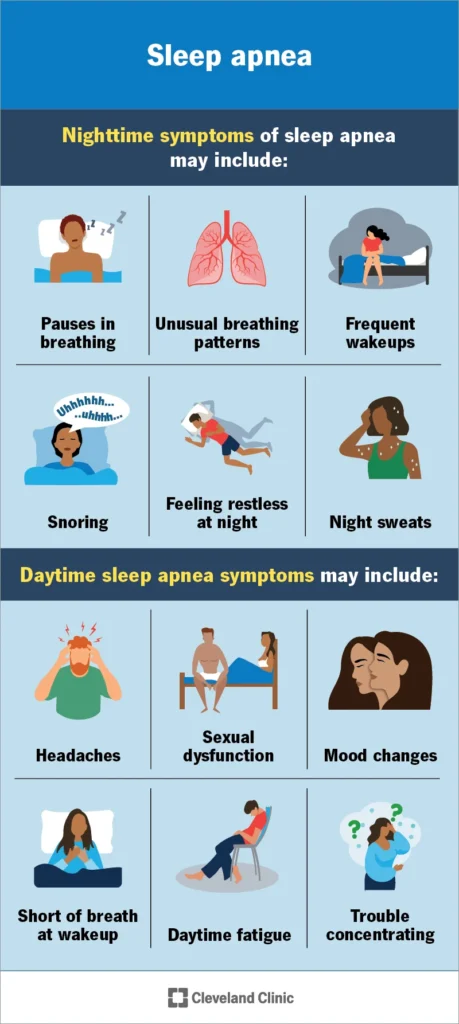
- Your partner notices pauses, choking, or gasping.
- You’re more irritable during high-stress weeks or after travel.
Could my snoring be sleep apnea (and why people are discussing it more)?
Snoring can be a sign of obstructive sleep apnea, but not everyone who snores has it. Recent coverage has also highlighted that sleep apnea can be missed in women, partly because symptoms may look like “just fatigue” or insomnia rather than classic loud snoring.
If you suspect apnea, don’t self-diagnose with a gadget. Use tools as prompts to take action, not as proof you’re fine.
When to talk to a clinician soon
- Witnessed breathing pauses, choking, or gasping
- Strong daytime sleepiness or dozing off easily
- High blood pressure or morning headaches
- Snoring that’s escalating quickly
What does an anti snoring mouthpiece actually do?
Most anti-snoring mouthpieces are designed to support airflow by changing jaw or tongue position during sleep. The goal is simple: reduce vibration and collapse in the upper airway when your muscles relax.
People like them because they’re small, travel-friendly, and don’t require a charger. That matters when you’re jet-lagged in a hotel or trying not to wake a partner at 2 a.m.
Who tends to do well with mouthpieces
- Habitual snorers without clear red flags for apnea
- Back sleepers whose snoring worsens when the jaw drops open
- People who want a low-tech option versus another wearable
Who should be cautious
- People with significant jaw pain, TMJ issues, or loose dental work
- Anyone with suspected sleep apnea who hasn’t been evaluated
- Those who can’t breathe well through their nose most nights
How do I pick a mouthpiece without overcomplicating it?
Shopping can feel like doomscrolling: “doctor-picked,” “best of,” “biohacked,” and somehow also “as seen on your coworker’s desk.” Keep your criteria boring. Boring wins at 3 a.m.
Use these practical filters
- Comfort: If it feels bulky, you won’t wear it consistently.
- Fit approach: Many people prefer a moldable or adjustable feel.
- Breathing: If nasal breathing is tough, address that first.
- Trial mindset: Give it several nights before you decide.
If you’re comparing options, start here: anti snoring mouthpiece.
What about mouth tape and other viral sleep hacks?
Mouth tape is having a moment, but it’s not the same thing as a mouthpiece. It may be risky for some people, especially if nasal congestion, allergies, or structural issues limit airflow.
If you’re tempted by trends, treat them like seasoning—not the meal. Build the basics first: consistent sleep timing, a wind-down routine, and a bedroom setup that supports sleep.
Two “boring” habits that beat most gadgets
- Protect your schedule during time changes: Shift bedtime and wake time gradually when you can. For a general refresher, see Snoring could be a sign of sleep apnea—see if this device can help.
- Reduce “sleep stealers”: Late alcohol, heavy meals, and screen time can worsen snoring and lighter sleep.
How do I know if it’s working (or if I should switch tactics)?
Don’t judge success by one night. Instead, look for a steady trend: fewer wake-ups, less partner nudging, and better mornings.
A simple 10-night check-in
- Night 1–3: Focus on comfort and getting used to it.
- Night 4–7: Track snoring feedback and morning energy.
- Night 8–10: Decide if the improvement is consistent enough to keep going.
If symptoms suggest sleep apnea, prioritize medical evaluation over continued trial-and-error.
FAQ: quick answers people keep asking
Can an anti snoring mouthpiece help if I sleep on my back?
It can, because many mouthpieces aim to keep the airway more open when the jaw relaxes. Side-sleeping can still help, so combining both is common.
How fast do anti-snoring mouthpieces work?
Some people notice a change the first night, while others need several nights to adjust. Comfort and fit usually determine how consistent results are.
Is loud snoring always sleep apnea?
No. But loud, frequent snoring—especially with choking, gasping, or strong daytime sleepiness—can be a red flag and should be discussed with a clinician.
Are mouth-taping trends a safe substitute for a mouthpiece?
Not necessarily. Mouth tape is a separate approach with its own risks and may be unsafe for some people, especially if nasal breathing is limited.
What if my partner says my snoring is “only when I’m tired”?
Travel fatigue, alcohol, congestion, and burnout can all worsen snoring. Track patterns for a week or two and address the obvious triggers first.
Next step: make the quiet option easy to try
If snoring is stealing your energy (or your partner’s patience), a mouthpiece can be a practical, low-tech place to start—especially when you want something simpler than another wearable.
How do anti-snoring mouthpieces work?
Medical disclaimer: This article is for general education only and is not medical advice. Snoring can sometimes signal a medical condition such as sleep apnea. If you have choking/gasping, breathing pauses, significant daytime sleepiness, or other concerning symptoms, seek evaluation from a qualified healthcare professional.