
On a red-eye flight, an exhausted traveler finally drifts off. Ten minutes later, the cabin soundtrack starts: a steady snore, then a louder one. The neighbor tries noise-canceling earbuds. The partner back home later jokes, “You snore like a lawnmower.” Everyone laughs—until the next morning feels like walking through wet cement.
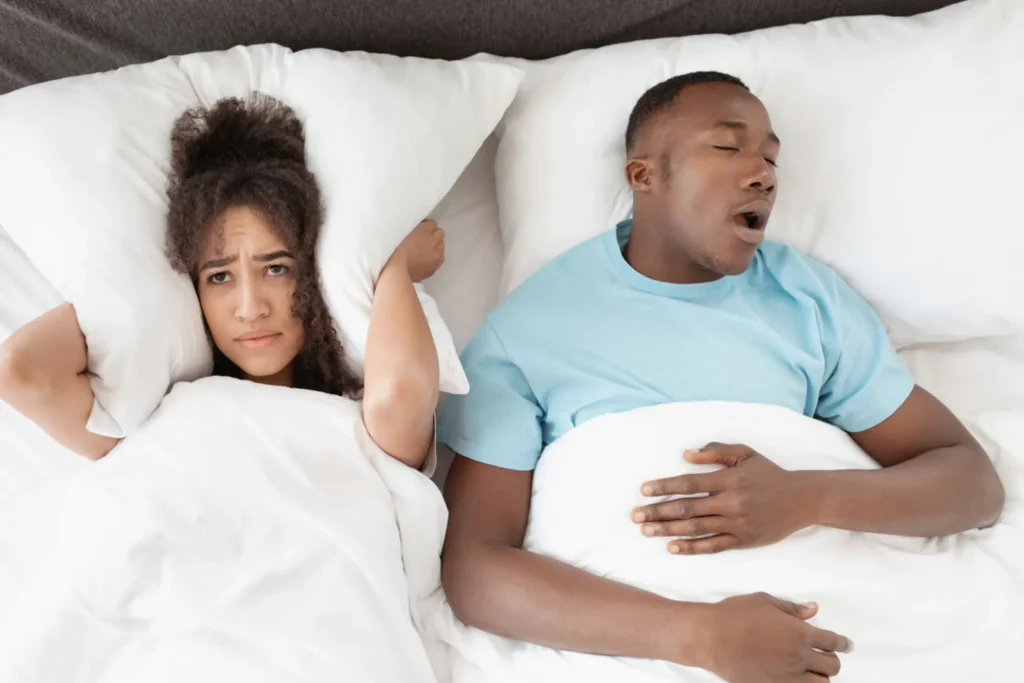
That’s why snoring is trending again. People are buying sleep trackers, testing “smart” pillows, and swapping tips in group chats. At the same time, more headlines are reminding readers that snoring can sometimes point to a bigger sleep-breathing issue. Let’s keep this direct: better sleep starts with better screening, then smarter gadget choices.
Is snoring just annoying—or a sleep health warning?
Snoring happens when airflow vibrates soft tissue in the upper airway. Sometimes it’s situational. Think: travel fatigue, alcohol close to bedtime, allergies, or sleeping flat on your back.
Other times, snoring clusters with symptoms that deserve attention. Recent coverage has emphasized that snoring can be associated with sleep apnea. If you’re unsure what that looks like, review a general explainer like Snoring could be a sign of sleep apnea—see if this device can help.
Fast self-check: when to get screened
- Loud snoring plus choking, gasping, or witnessed breathing pauses
- Morning headaches, dry mouth, or sore throat
- Daytime sleepiness, “brain fog,” or dozing off easily
- High blood pressure or cardiometabolic risk factors (ask your clinician)
If those are in the mix, don’t treat a gadget like a diagnosis. Use tools to improve comfort, but also talk to a clinician about screening.
Why is everyone buying sleep gadgets right now?
Because burnout is real, and sleep feels like the one lever people can still pull. Wearables promise “scores.” Travel schedules wreck routines. Couples want quiet nights without turning bedtime into a negotiation.
Anti-snoring products fit neatly into that trend. Pillows, nasal strips, humidifiers, white noise, and mouthpieces all get attention. The best choice depends on what’s driving the snore.
Match the tool to the likely trigger
- Back sleeping: positional strategies and certain pillows may help.
- Nasal congestion: nasal hygiene, allergy management, and airflow support can matter.
- Jaw/tongue position: an oral appliance may reduce vibration for some sleepers.
What is an anti snoring mouthpiece, and what does it actually do?
An anti snoring mouthpiece is an oral device worn during sleep. Many models work by gently moving the lower jaw forward (mandibular advancement). That forward position can reduce airway collapse and tissue vibration for certain people.
Others focus on tongue positioning. The point is the same: improve airflow mechanics so snoring is less likely.
What “success” should mean (keep it measurable)
- Less frequent or less intense snoring (partner report counts)
- Fewer nighttime awakenings
- Better morning energy and focus
- No new jaw pain or tooth discomfort
Sleep apps can help you track patterns, but don’t treat them as medical-grade testing.
How do you choose a mouthpiece without taking unnecessary risks?
Buying sleep gear can feel like scrolling a menu: pillows, “doctor-approved” lists, and viral gadgets. Stay practical. Your goals are comfort, fit, and a plan to reassess.
Buyer checklist (document your choice)
- Fit approach: follow the fitting instructions exactly; poor fit can cause soreness.
- Materials and care: clean as directed and replace when worn or damaged.
- Dental considerations: crowns, loose teeth, gum issues, or TMJ history deserve extra caution.
- Return policy: prioritize products with clear return and warranty terms.
- Re-check symptoms: if snoring persists with daytime sleepiness, don’t keep guessing—screen for apnea.
If you want a combined approach that targets both jaw positioning and mouth opening, consider an option like this anti snoring mouthpiece.
Can pillows and mouthpieces work together?
Sometimes, yes. Pillows mainly influence head/neck alignment and sleep position. Mouthpieces change oral and jaw mechanics. If your snoring is worse on your back, a positional strategy plus a mouthpiece may be more effective than either alone.
Keep the experiment clean. Change one variable at a time for a week. Write down what changed and what didn’t.
What should you stop doing if you’re serious about sleep quality?
Stop treating snoring like only a relationship joke. It affects sleep depth, next-day mood, and workplace performance. It also can be a sign you should get checked.
Also stop stacking random gadgets without a plan. More gear isn’t better. Better screening and consistent habits usually win.
What’s a simple plan for the next 7 nights?
- Night 1–2: reduce alcohol near bedtime; test side-sleeping support.
- Night 3–5: add a mouthpiece if jaw position seems relevant; monitor comfort.
- Night 6–7: reassess: snoring down, sleep better, no pain? Continue. Red flags? Get screened.
Medical disclaimer: This article is for general education and is not medical advice. Snoring may be associated with obstructive sleep apnea or other conditions. If you have choking/gasping, witnessed breathing pauses, significant daytime sleepiness, chest pain, or persistent symptoms, seek evaluation from a qualified clinician or dentist.