
Snoring has become a weirdly public topic. It shows up in gadget ads, travel “recovery” routines, and couples joking about who gets the couch. Meanwhile, burnout culture keeps reminding everyone that sleep quality isn’t optional.
Thesis: If you’re considering an anti snoring mouthpiece, focus on safety, fit, and screening first—then shop.
Why is everyone suddenly talking about snoring and sleep quality?
Sleep is having a moment. Wearables score your night, apps track your “recovery,” and social feeds push quick fixes. That attention is useful, but it can also turn snoring into a DIY project when it shouldn’t be.
Snoring can be a simple vibration problem. It can also be a sign that breathing is getting interrupted. If your sleep feels unrefreshing, your mood is off, or you’re dragging at work, it’s worth treating snoring as a sleep health issue—not just a noise issue.
Is snoring just annoying, or can it affect health?
Even “just snoring” can chip away at sleep quality for you or your partner. That can snowball into irritability, lower focus, and more caffeine-driven days. Relationship humor aside, fragmented sleep adds up.
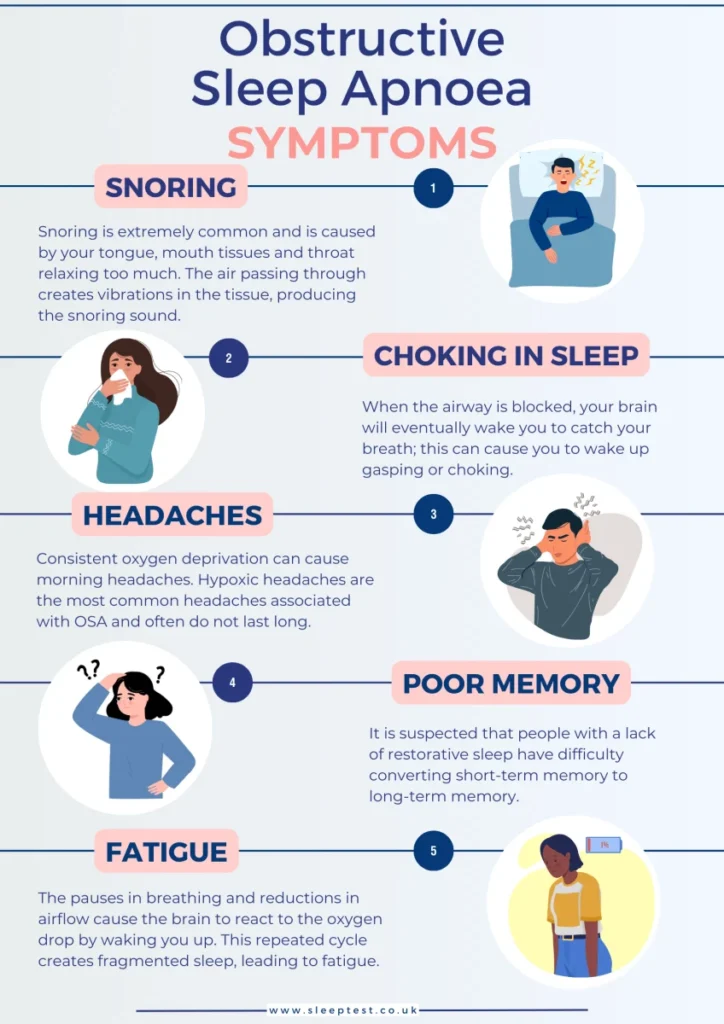
More importantly, some snoring overlaps with obstructive sleep apnea. You can’t diagnose that at home with a mouthpiece or a phone recording. If you notice gasping, choking, witnessed pauses, morning headaches, or heavy daytime sleepiness, prioritize screening.
What exactly is an anti snoring mouthpiece, and who is it for?
Most anti-snoring mouthpieces are designed to change jaw or tongue position during sleep. The goal is to keep the airway more open so tissues vibrate less. Many people see these described as mandibular advancement devices (MAD-style) in consumer roundups and research discussions.
They’re often a better “first device” than random gadgets when your snoring seems position-related (like worse on your back) and you don’t have obvious red flags for apnea. They’re not a cure-all, and comfort matters as much as the concept.
What should you verify before buying a mouthpiece online?
1) Fit and adjustability
A mouthpiece that’s too aggressive can leave you sore. One that’s too loose may do nothing. Look for clear instructions on how it fits and whether it allows small adjustments.
2) Materials and cleaning guidance
Your mouth is not a place for mystery plastics. Choose products that state materials clearly and explain cleaning steps. Replace it if it cracks, warps, or starts to smell despite cleaning.
3) Return policy and realistic claims
Snoring has multiple causes, so any “works for everyone” promise is a red flag. Favor brands that explain who it’s for, what to expect, and what to do if it doesn’t help.
4) Your personal risk checklist
Skip self-experimenting if you have severe jaw pain, significant dental issues, or symptoms that suggest sleep apnea. If you’re unsure, a dentist or sleep clinician can help you avoid wasting time and money.
How do mouth tape and other sleep trends fit into this conversation?
Sleep trends move fast. Mouth taping is one of the most talked-about, and it’s often framed as a simple way to encourage nasal breathing. It may be inappropriate for people with nasal obstruction, allergies, or breathing concerns.
If you’re curious, start with safety-focused guidance rather than influencer clips. Here’s a helpful reference framed like a search query: SleepZee Anti-Snoring Mouthpiece Consumer Report: 2026 Analysis of Mandibular Advancement Device Research, Snoring Reduction Claims, and What Buyers Should Verify.
How can you protect sleep quality while you test a mouthpiece?
Keep it simple and track a few signals for 1–2 weeks: snoring volume (partner feedback helps), morning jaw comfort, dry mouth, and daytime sleepiness. Travel fatigue can muddy the results, so note late flights, alcohol, or new pillows.
Also, don’t stack too many changes at once. If you add a mouthpiece, new supplements, a new pillow, and a new app in the same week, you won’t know what helped.
When should you stop DIY and get screened?
Get medical advice promptly if you have choking/gasping at night, witnessed pauses in breathing, chest pain, severe daytime sleepiness, or high blood pressure concerns. If you’re in your 20s or 30s and think you’re “too young” for sleep problems, don’t assume that. Sleep health issues can still show up early.
Also pause if a mouthpiece causes persistent jaw pain, tooth pain, or bite changes. Comfort is not a bonus feature—it’s part of safety.
Common questions (quick answers)
- Is an anti snoring mouthpiece the same as a night guard? Not always. Night guards mainly protect teeth from grinding; anti-snoring designs aim to improve airflow.
- Will it fix snoring from a cold? Probably not. Congestion-related snoring often improves when nasal breathing improves.
- Do “best device” lists agree? They often overlap on categories (mouthpieces, nasal aids, positional options), but your fit and symptoms matter more than rankings.
FAQ
Medical disclaimer: This article is for general education only and isn’t medical advice. It doesn’t diagnose, treat, or replace care from a qualified clinician. If you suspect sleep apnea or have significant symptoms, seek professional evaluation.
CTA: Choose a mouthpiece you can actually stick with
If you want a simple option to try at home, consider a combined approach that supports jaw position and stability. See this anti snoring mouthpiece and review the fit, cleaning, and return details before you commit.