
Snoring isn’t just noise. It’s the soundtrack to short tempers, separate blankets, and “I’m fine” texts the next morning.
Right now, sleep gadgets are everywhere, and mouthpieces are having a moment. People want something simple that doesn’t feel like a full medical project.
If snoring is hurting your sleep quality (or your relationship), an anti snoring mouthpiece can be a practical next step—but only after you screen for red flags.
What people are talking about right now (and why it matters)
Recent coverage has put snoring back in the spotlight, especially the idea that it can sometimes signal a bigger sleep-breathing issue. At the same time, product roundups and “consumer report”-style writeups are pushing mouthpieces as an accessible option.
The cultural backdrop is familiar: workplace burnout, travel fatigue, and the push to “optimize” sleep with wearables. The bedroom is also a negotiation table. A snore can turn into a nightly argument fast, even when nobody means it.
If you’re shopping because your partner is fed up, you’re not alone. The best outcome is better sleep and better communication, not a silent grudge.
Start here: a quick safety check before you buy anything
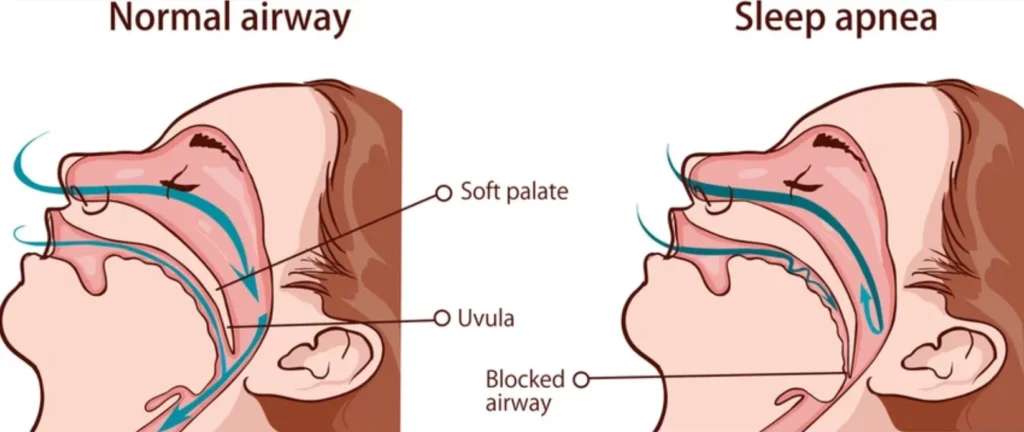
Snoring can be harmless. It can also show up alongside obstructive sleep apnea. You can’t confirm apnea from a blog post, but you can notice warning signs.
If you notice these signs, then prioritize a medical evaluation
- Pauses in breathing, choking, or gasping during sleep (often noticed by a partner)
- Strong daytime sleepiness, morning headaches, or trouble focusing
- High blood pressure or a history of heart/metabolic concerns (talk to a clinician)
- Snoring that is suddenly much worse, especially with weight change or new meds
If that sounds like you, don’t rely on a gadget alone. For context on this conversation in the news, see Snoring could be a sign of sleep apnea—see if this device can help.
Decision guide: If…then… choose your next move
This is the no-drama path to narrowing options. Pick the branch that fits your real life, not your ideal routine.
If your snoring is worse on your back, then consider jaw-position solutions
Back-sleeping can let the jaw and tongue fall backward. That can narrow the airway and increase vibration (the sound you hear).
An anti snoring mouthpiece in the “mandibular advancement” style aims to hold the lower jaw slightly forward. Many shoppers choose this route because it’s portable, travel-friendly, and doesn’t require a power outlet.
If you travel a lot (or crash after late work), then keep it simple and packable
Jet lag and irregular bedtimes can amplify snoring. Hotel pillows, alcohol at dinner, and dehydration don’t help either.
In that scenario, people often prefer a mouthpiece over bulkier setups. It’s one item, easy to rinse, and doesn’t announce itself at airport security like a full sleep rig.
If your partner is the one losing sleep, then treat this like a shared problem
Snoring is physical, but the fallout is emotional. The non-snoring partner can start dreading bedtime. The snorer can feel blamed for something they can’t hear.
Try a two-part plan: reduce the snoring and reduce the tension. Agree on a two-week trial window, pick one change at a time, and check in briefly each morning. Keep the tone curious, not prosecutorial.
If your mouth falls open at night, then consider a combo approach
Mouth breathing can dry tissues and make snoring worse for some people. A chinstrap can help keep the mouth closed, while a mouthpiece addresses jaw position.
If that sounds like you, look at an anti snoring mouthpiece and verify return policies and sizing guidance before committing.
If you have nasal congestion, then don’t expect a mouthpiece to fix everything
When your nose is blocked, you’re more likely to mouth-breathe. That can overpower any jaw-position improvement.
In that case, your “best device” might be the one that pairs with basic nasal support (like addressing allergies or dryness). If congestion is persistent, a clinician can help you sort out causes safely.
If you wake up with jaw pain, then pause and reassess fit
Some discomfort early on can happen. Sharp pain, headaches, or bite changes are not something to push through.
Stop using the device and consider talking to a dentist or sleep clinician, especially if symptoms persist.
What to verify before buying an anti snoring mouthpiece
- Type: Mandibular advancement vs tongue-retaining. They feel different and suit different mouths.
- Fit method: Adjustable vs boil-and-bite vs custom. Comfort and stability matter more than hype.
- Materials: Look for clear labeling and care instructions.
- Return policy: Your mouth is unique. A trial period can save you money and frustration.
- Realistic claims: “Stops snoring forever” is marketing. Aim for “reduces snoring and improves sleep quality.”
FAQ
Do anti-snoring mouthpieces work for everyone?
No. They tend to help people whose snoring is related to jaw position or airway narrowing, but results vary by anatomy, sleep position, and nasal congestion.
Is loud snoring always sleep apnea?
Not always, but it can be a warning sign. If you also have choking/gasping, witnessed pauses in breathing, or heavy daytime sleepiness, get evaluated.
How long does it take to get used to a mouthpiece?
Many people adapt over several nights to a few weeks. Mild soreness or extra saliva can happen early on and often improves with consistent use.
What’s the difference between a mouthpiece and a CPAP?
A CPAP uses air pressure to keep the airway open and is commonly prescribed for sleep apnea. A mouthpiece typically repositions the jaw or tongue and may be used for snoring or some apnea cases under clinician guidance.
Can a mouthpiece affect my teeth or jaw?
It can. Possible issues include jaw discomfort, bite changes, or tooth soreness. Stop use and consult a dentist or sleep clinician if pain persists.
Next step: pick a plan you can actually stick to
If snoring has turned bedtime into a stressor, start with the branch that matches your situation. Then run a short, honest trial: same bedtime window, minimal alcohol late, and a simple note on how both of you slept.
How do anti-snoring mouthpieces work?
Medical disclaimer: This article is for general education only and isn’t medical advice. Snoring can be a symptom of sleep apnea or other conditions. If you have breathing pauses, choking/gasping, significant daytime sleepiness, chest pain, or persistent symptoms, seek evaluation from a qualified clinician.