
Myth: Snoring is just an annoying sound.
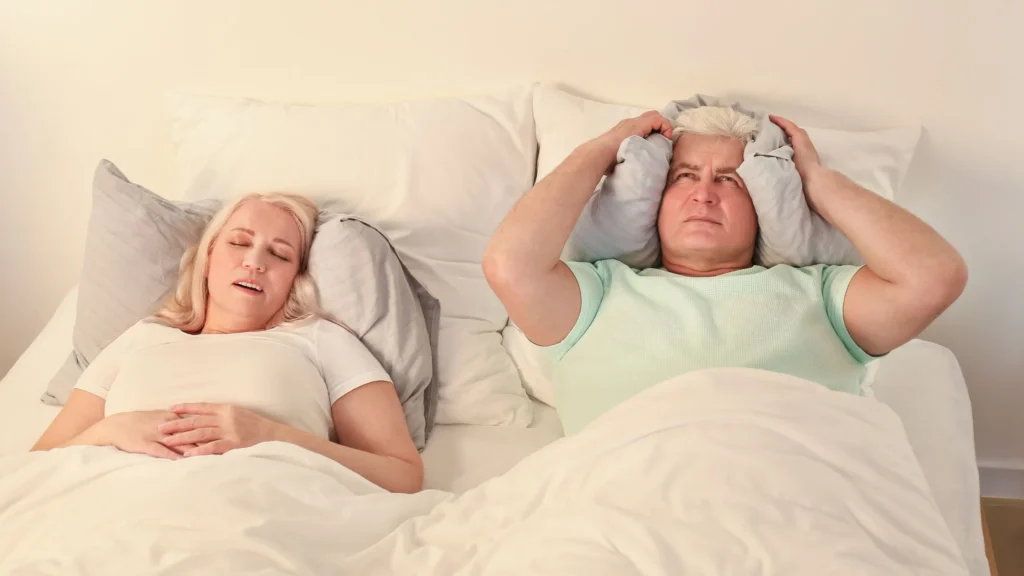
Reality: Snoring can be a simple airflow issue, or it can be a clue that sleep quality is taking a hit. In some cases, it’s also a reason to look closer for sleep apnea.
That’s why anti-snoring gear keeps popping up in conversations right now. Between sleep-tracking rings, “smart” pillows, and viral bedtime hacks, people want a fix that’s fast. A well-chosen anti snoring mouthpiece can be one practical option, but it’s not a one-size solution.
Big picture: why snoring is suddenly everyone’s topic
Sleep has become a mainstream health trend, not just a wellness niche. You’ll hear it in workplace burnout talk, in travel fatigue jokes, and in the group chat after someone tries a new sleep gadget.
Snoring sits right in the middle of all that. It affects energy, mood, and focus. It also affects the person next to you, which is why it turns into relationship humor fast.
One more shift matters: more coverage is highlighting that sleep apnea doesn’t always look the same in everyone. Screening and awareness are improving, especially for people whose symptoms don’t match the “classic” stereotype.
The emotional side: it’s not “just noise” in a shared bed
Snoring can create a nightly negotiation. Who gets the pillow wall? Who wears earplugs? Who ends up on the couch after a red-eye flight?
If you feel embarrassed, you’re not alone. If your partner feels resentful, that’s also common. Treat it like a sleep-quality problem to solve together, not a character flaw.
Practical steps: a no-drama way to decide what to try first
Step 1: notice the pattern (without turning it into a full-time job)
Keep it simple for a week. Note when snoring is worse: after alcohol, during allergy season, on your back, or when you’re overtired from travel.
If snoring spikes with burnout or late-night scrolling, that still counts. Fragmented sleep can make everything feel louder, including snoring.
Step 2: identify if a mouthpiece is a reasonable next move
An anti-snoring mouthpiece is often designed to gently position the lower jaw forward (a common “mandibular advancement” approach). That can help keep the airway more open for some people.
It tends to be most relevant when:
- Snoring is louder when you sleep on your back
- You suspect your jaw position or relaxed mouth posture plays a role
- You want a non-electronic option that’s travel-friendly
It may be less helpful when nasal congestion is the main driver. In that case, addressing nasal airflow and triggers may matter more.
Step 3: choose what to verify before you buy
Recent coverage has pushed a useful theme: buyers should verify claims, not just vibes. Here’s a quick checklist.
- Fit approach: adjustable vs. fixed; clear instructions; comfort expectations
- Materials: disclosed materials and care guidance
- Returns: a realistic trial window and transparent policies
- Claims: avoid “guaranteed cure” language; look for measured, realistic phrasing
If you want to compare a dedicated category page, see this anti snoring mouthpiece overview.
Safety and testing: when snoring needs more than a gadget
Some headlines have emphasized a key point: snoring can be a sign of sleep apnea. You can’t diagnose that from a product page.
Consider a medical screening if you notice any of these:
- Witnessed breathing pauses, choking, or gasping at night
- Strong daytime sleepiness, morning headaches, or brain fog
- High blood pressure, or you wake up with a racing heart
- Snoring that’s loud and frequent, especially with unrefreshing sleep
Also note: sleep apnea can be under-recognized in women because symptoms may show up as insomnia, fatigue, mood changes, or headaches rather than a “textbook” presentation. If something feels off, it’s worth asking about testing.
For a broader, news-style starting point on this conversation, you can scan Snoring could be a sign of sleep apnea—see if this device can help.
Important mouthpiece cautions
Skip DIY experimentation if you have significant jaw pain, TMJ symptoms, loose teeth, untreated gum disease, or major dental work that feels unstable. A dentist can help you avoid making things worse.
If you try a mouthpiece, stop if you develop persistent jaw soreness, tooth pain, bite changes, or headaches that don’t fade after a short adjustment period.
FAQ: quick answers people are searching for
Can an anti snoring mouthpiece help with sleep quality?
It can, if snoring is waking you or your partner and the device reduces it comfortably. Better sleep is often about fewer disruptions, not perfection.
How fast do you know if it’s working?
Many people judge within a few nights to two weeks. Comfort and consistency matter as much as volume reduction.
Is a mouthpiece better than nasal strips?
They target different causes. Nasal strips focus on nasal airflow. Mouthpieces focus on jaw/tongue-related airway narrowing.
What if my partner says I still snore sometimes?
Occasional snoring can still happen with fatigue, alcohol, congestion, or back-sleeping. Track triggers and aim for overall improvement.
CTA: a simple next step
If your snoring feels more like an airway-position issue than a cold or allergy flare, exploring a mouthpiece may be a practical move.
How do anti-snoring mouthpieces work?
Medical disclaimer: This article is for general education only and isn’t medical advice. Snoring can have multiple causes, including sleep apnea. If you have breathing pauses, significant daytime sleepiness, or other concerning symptoms, seek evaluation from a qualified clinician.