
On a red-eye flight, an exhausted traveler nods off. Ten minutes later, the snoring starts. The seatmate pretends to scroll, the partner texts a joke, and the cabin becomes a tiny stage for a problem that follows people home.
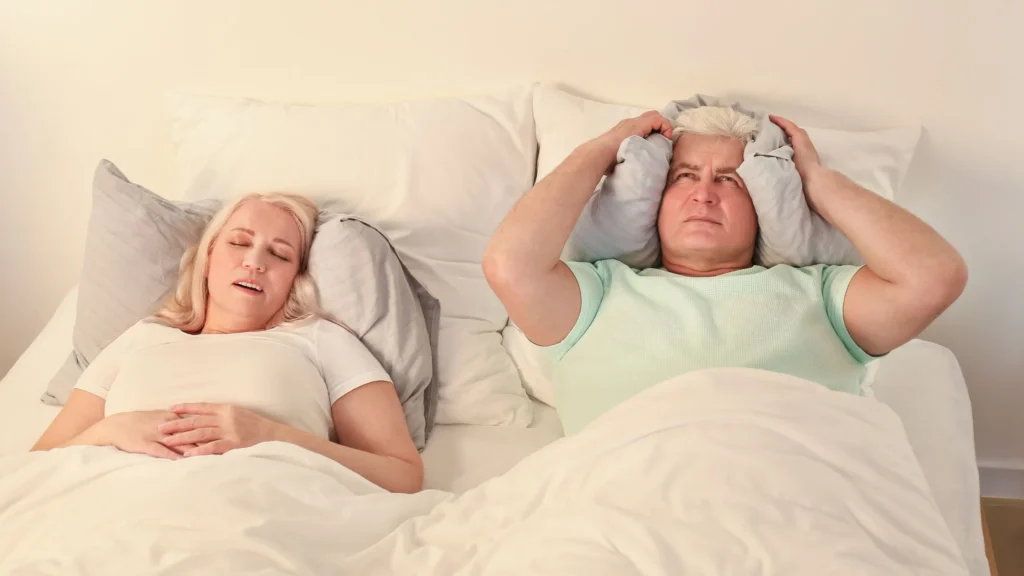
That’s why snoring is showing up everywhere right now. Sleep gadgets are trending, burnout is real, and couples are negotiating bedtime like it’s a workplace calendar invite. The key is to treat snoring as a sleep-quality issue first, and a “noise” issue second.
The big picture: snoring is about airflow, not willpower
Snoring usually happens when airflow gets turbulent as you breathe during sleep. That turbulence can come from the nose, the soft palate, the tongue, or a mix of factors. Stress, alcohol, travel fatigue, and sleeping on your back can all make it louder.
Here’s the part people miss: sometimes snoring is just snoring. Other times it’s a clue that breathing is being interrupted. Several recent news stories have highlighted that snoring can overlap with sleep apnea concerns, which is why screening matters before you chase the next trend.
If you want a general reference point on that conversation, see this related coverage: Snoring could be a sign of sleep apnea—see if this device can help.
The emotional layer: sleep loss turns small problems into big fights
Snoring is rarely a solo issue. It affects the person who snores and the person who lies awake counting ceiling cracks. Over time, that turns into resentment, separate bedrooms, and “jokes” that aren’t really jokes.
Workplace burnout makes this worse. When you’re already running on fumes, one more broken night can wreck focus, mood, and patience. So the goal isn’t perfection. It’s fewer disruptions and a safer plan.
Practical steps: what to do this week (without overcomplicating it)
1) Do a quick pattern check
Track three things for 7 nights: bedtime, alcohol or late meals, and sleep position. Add a simple note on snoring intensity (light/medium/loud). Patterns show up fast, especially after travel or stressful weeks.
2) Tidy up the easy triggers
Try side sleeping, reduce alcohol close to bedtime, and address nasal congestion in a basic way (like humidity and gentle saline). Keep the bedroom cool and dark. These aren’t “biohacks.” They’re the boring moves that often help.
3) Decide if an anti snoring mouthpiece is a reasonable next step
An anti snoring mouthpiece is commonly used to support a more open airway during sleep. For many people, it’s appealing because it’s portable, simple, and fits the current “sleep gadget” moment without needing a full bedside setup.
It can also be a practical choice for travel fatigue. Hotel rooms amplify sound, and thin walls turn mild snoring into a complaint. A mouthpiece is easier to pack than a lot of other sleep gear.
If you’re exploring product options, here’s a relevant example: anti snoring mouthpiece.
Safety and testing: reduce risk, document choices, know when to stop
Screen for red flags first
Don’t treat loud snoring as a DIY-only project if any of these show up: choking or gasping, witnessed breathing pauses, severe daytime sleepiness, morning headaches, or high blood pressure concerns. Those are reasons to talk to a clinician and ask about sleep apnea testing.
Be cautious with viral mouth trends
Nighttime mouth taping has been circulating online, and recent reporting has included warnings about potential risks. The issue is simple: if you can’t breathe well through your nose, restricting mouth breathing can backfire. If you’re tempted by the trend, pause and prioritize safety over hype.
Oral health matters more than people think
There’s growing interest in the mouth-body connection, including how oral health ties into broader wellness. For snoring solutions, that translates into one rule: don’t ignore pain, gum irritation, jaw clicking, or tooth sensitivity. Comfort is not optional.
Run a 14-night “proof” trial
Keep it simple and defensible. Write down: (1) snoring volume (your partner’s rating counts), (2) how you feel at 2 p.m., and (3) any jaw or gum discomfort. If discomfort climbs or sleepiness stays high, stop and reassess.
Hygiene and infection-risk basics
Clean the device as directed, let it dry fully, and store it in a ventilated case. Replace it if it degrades. If you get sores, bleeding gums, or persistent irritation, discontinue use and seek dental or medical advice.
Medical disclaimer: This article is for general education only and is not medical advice. Snoring can be linked to obstructive sleep apnea and other conditions. If you have choking/gasping, breathing pauses, significant daytime sleepiness, chest pain, or worsening symptoms, contact a qualified clinician for evaluation.
Next step: get a clear answer fast
If your goal is fewer wake-ups and less bedroom tension, start with screening and a short, documented trial. Then choose the simplest tool that fits your situation.