
On a Tuesday night, someone in a cramped hotel room scrolls through “best sleep gadgets” videos while their partner sighs, joking they should file a noise complaint. The day was long, the flight was later than planned, and tomorrow’s calendar is stacked. The snoring isn’t just funny anymore—it’s stealing sleep quality.
If this sounds familiar, you’re not alone. Snoring is showing up in the same conversations as wearable sleep scores, burnout, travel fatigue, and those “I can’t do daylight savings again” rants. People want a fix that doesn’t waste a month of trial-and-error. That’s where an anti snoring mouthpiece often enters the chat.
Overview: what’s trending in snoring fixes (and what matters)
Recent roundups and expert-quoted lists keep circling the same idea: anti-snore devices can help, but only when you match the tool to the cause. You’ll see mouthpieces, nasal aids, positional gear, and lifestyle basics all competing for attention.
Mouthpieces—often called mandibular advancement devices—are popular because they’re practical. No app needed. No batteries. Just a small device that can change airflow mechanics during sleep.
For broader sleep health context (especially around schedule shifts), check Top 9 Best Anti-Snoring Devices – What Actually Works?. Timing changes can make snoring feel worse because fragmented sleep amplifies everything.
Timing: when to try a mouthpiece vs. when to pause
Try a mouthpiece approach when snoring is frequent, annoying, and tied to sleep position or congestion cycles—and you want a budget-conscious experiment before you buy a drawer full of gadgets.
Good “try it now” signals
- Snoring is louder on your back.
- It spikes after travel, late meals, alcohol, or a stuffed nose.
- Your partner reports vibration-type snoring more than choking sounds.
Pause and get medical input first
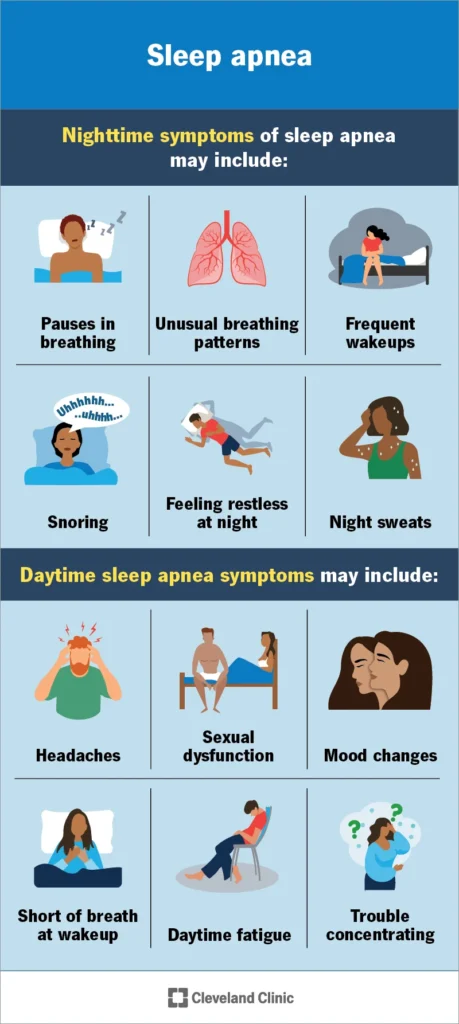
- Breathing pauses, choking/gasping, or you wake up panicked.
- Severe daytime sleepiness, morning headaches, or high blood pressure concerns.
- Known sleep apnea or you suspect it.
Supplies: what you need for a smart, low-waste test
- A mouthpiece option you can verify (materials, fit method, cleaning, return policy).
- Basic tracking: notes app or a simple sleep journal (bedtime, wake time, partner feedback).
- Backup basics: nasal saline or strips (if congestion is a driver), and a side-sleep assist (pillow support).
If you’re comparing options, start with a clear category search like anti snoring mouthpiece so you’re not mixing tongue-stabilizing devices, mouth tape, and mouthguards into one confusing pile.
Step-by-step (ICI): Identify → Choose → Implement
1) Identify your likely snoring pattern (10 minutes)
Don’t overthink it. Use a simple three-question filter:
- Position: Is it worse on your back?
- Nose: Are you often congested or mouth-breathing?
- Timing: Does it spike with stress, late nights, or travel?
This is where current “sleep hygiene” advice lands: consistent sleep windows, less late-night stimulation, and a calmer wind-down reduce the chaos that makes snoring feel relentless. It won’t fix every snore, but it improves your baseline.
2) Choose a mouthpiece you can actually stick with (15 minutes)
The best device is the one you can tolerate. Prioritize:
- Fit and comfort (especially if you gag easily or have sensitive gums).
- Adjustability (small changes beat aggressive jaw positioning).
- Clear buyer info: what’s included, how returns work, and cleaning instructions.
Be cautious with dramatic claims. Recent consumer-style writeups emphasize verifying what buyers should check before trusting snoring reduction promises. That’s smart. Look for specifics about fit, materials, and support rather than hype.
3) Implement like a short experiment (7–14 nights)
- Nights 1–3: Aim for comfort. Expect a learning curve.
- Nights 4–7: Track partner feedback and how you feel in the morning.
- Nights 8–14: Decide based on trends, not one random night.
Keep the rest of your routine stable during the test. If you add three new gadgets and also change bedtime, you won’t know what helped.
Mistakes that waste a cycle (and money)
Buying based on rankings alone
“Best device” lists are useful for categories and comparisons, not for predicting your personal outcome. Use them to build a shortlist, then verify fit and comfort details.
Cranking the jaw forward too fast
More isn’t always better. Too much advancement can trigger jaw soreness and make you quit. Small, gradual changes are usually easier to tolerate.
Ignoring your nose
If congestion drives mouth breathing, a mouthpiece may help but won’t solve everything. Pair it with basic nasal support and bedroom humidity if dryness is an issue.
Turning sleep tracking into a stress hobby
Wearables and apps can be helpful, but perfectionism can backfire. Use simple notes: snoring report, morning energy, and any jaw discomfort.
Missing the relationship angle
Snoring is a couples problem even when only one person snores. Agree on a two-week test plan. Keep it light. The goal is better sleep, not a nightly performance review.
FAQ: quick answers people want right now
Medical note: This article is for general education and does not replace medical advice. If you suspect sleep apnea or have significant symptoms, talk with a qualified clinician.
CTA: pick a simple next step tonight
If you want a practical starting point without going down a gadget rabbit hole, focus on one controlled test: a mouthpiece plus stable sleep basics for two weeks. Then judge results on comfort and morning energy—not marketing.