
Before you try an anti snoring mouthpiece, run this checklist. It saves time, reduces risk, and keeps you from buying three gadgets you never use.
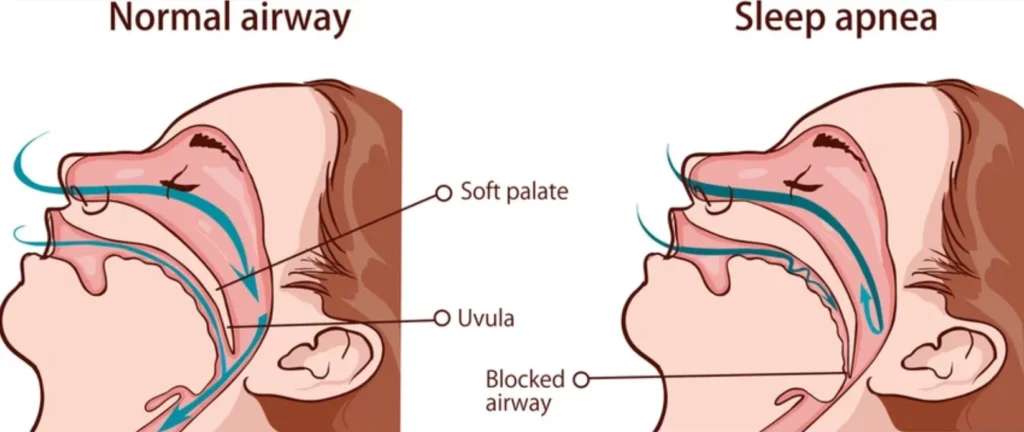
- Screen first: Are there sleep apnea red flags (pauses in breathing, choking/gasping, severe daytime sleepiness)?
- Pick a category: Mouthpiece vs nasal aids vs positional changes.
- Fit + hygiene plan: Clean, store, and replace on a schedule you can follow.
- Track outcomes: Snoring volume, awakenings, morning headache, and energy.
People are talking about snoring more right now for a simple reason: sleep is trending. Wearables score your night. Travel schedules wreck routines. Workplace burnout shows up as “I’m tired all the time.” Add relationship humor (“your snoring is a third person in our bed”), and you get a surge of interest in practical fixes.
Start with the safety screen (don’t skip this)
Snoring can be just snoring. It can also be a sign that breathing is being disrupted during sleep. Some recent coverage has highlighted that connection and pointed readers toward devices that may help, but the key takeaway is the same: don’t treat loud, persistent snoring like a harmless quirk if other symptoms are present.
If any of these are true, then prioritize medical screening
- Someone observes breathing pauses, choking, or gasping
- You wake up with a racing heart or feel panicky at night
- You’re dangerously sleepy during the day
- High blood pressure concerns or significant weight changes
To keep your research organized, scan a reliable summary like Snoring could be a sign of sleep apnea—see if this device can help and compare it with your symptoms.
Decision guide: If…then… what to try first
Most “best anti-snore device” lists mix very different tools. Use the branches below to narrow fast.
If your snoring is worse on your back, then start with position
Back-sleeping often makes airway collapse more likely. Try side-sleep supports or pillow changes before you buy a drawer full of hardware. This is also the easiest option to test on a work trip.
If you wake with a dry mouth, then consider mouth-breathing and congestion
Nasal congestion, allergies, and dry hotel air can push you into mouth-breathing. That can amplify vibration and noise. Address nasal comfort alongside any mouthpiece plan.
If your partner reports “teeth grinding sounds,” then don’t guess
Grinding and snoring can overlap, but they’re not the same problem. A poorly chosen device can make jaw tension worse. If you have jaw pain, clicking, or headaches, get dental input before using a mandibular-advancing style device.
If you want a device-based approach, then consider an anti snoring mouthpiece
An anti snoring mouthpiece is typically designed to change jaw or tongue position to keep the airway more open. The goal is fewer airway vibrations and fewer arousals. Comfort matters as much as design, because inconsistent use equals inconsistent results.
If you’re comparing models, start here: anti snoring mouthpiece. Look for clear fit instructions and materials you can keep clean.
How to test a mouthpiece without fooling yourself
Sleep gadgets are popular because they feel measurable. The trap is believing one “good score” means the problem is solved. Use a simple test plan instead.
If you try a mouthpiece, then document these four things
- Snoring report: partner feedback or a basic recording (volume and frequency)
- Sleep continuity: how often you wake up and why
- Morning check: jaw soreness, tooth discomfort, dry mouth, headache
- Daytime function: focus, mood, and drowsiness (especially at work)
If discomfort shows up, then adjust or stop early
Mild adaptation is common. Sharp pain, jaw locking, or worsening headaches are not “powering through” moments. Stop and seek dental or medical guidance.
Hygiene and risk control (the unsexy part that matters)
Anything that sits in your mouth nightly needs a plan. This lowers infection risk and helps you defend your choices if you ever need to explain what you used and how.
- Rinse and clean daily with manufacturer-safe methods
- Let it dry fully before storing
- Use a ventilated case, especially for travel
- Replace if it cracks, warps, or develops persistent odor
Also note: drooling gets attention in the news because it can be linked to sleep quality issues for some people. Don’t panic. Treat it as a signal to reassess fit, congestion, and overall sleep disruption.
FAQ: Quick answers people are searching
Can an anti snoring mouthpiece help with sleep quality?
It can if it reduces snoring-related arousals. Better sleep often shows up as fewer awakenings and improved daytime alertness.
What’s the fastest way to know if it’s working?
Combine partner feedback (or recordings) with how you feel during the day. A single wearable score isn’t enough.
What if my snoring is only during travel?
Travel fatigue, alcohol, dry air, and back-sleeping can spike snoring. Start with routine and position, then add a device if needed.
CTA: Make the decision, then keep it simple
Don’t chase every trending sleep gadget. Pick one path, test it, and document what changes. That’s how you protect your sleep and your wallet.
How do anti-snoring mouthpieces work?
Medical disclaimer: This article is for general information only and is not medical advice. Snoring can have many causes, including conditions that require professional evaluation. If you have symptoms suggestive of sleep apnea or feel unsafe due to sleepiness, contact a qualified clinician.