
Is your snoring the problem—or is your sleep quality the real issue?
Are you buying sleep gadgets because you’re tired… or because you’re desperate?
And should you try an anti snoring mouthpiece before you go down a full “sleep optimization” rabbit hole?
Yes, snoring can be the loud, obvious problem. But the bigger story is often what it does to sleep quality: broken sleep, cranky mornings, and that “I need three coffees to be a person” feeling.
And lately, people aren’t just talking about sleep. They’re talking about recovery. You’ll see trends like guided rest and “non-sleep deep rest” pop up in wellness conversations, especially among travelers, burned-out workers, and anyone who can’t turn their brain off at night.
First, a quick reality check: snoring vs. sleep quality
Snoring is noise from airflow struggling through a partially blocked airway. Sleep quality is the outcome: how restored you feel, how often you wake, and whether your body gets enough deep and REM sleep.
It’s possible to snore and still feel fine. It’s also possible to “not snore much” and still sleep poorly. That’s why your plan should focus on both the sound and the recovery.
Decision guide: If…then… pick your next move
Use these branches like a choose-your-own-adventure. The goal is fewer wake-ups, better mornings, and fewer arguments about who gets the quiet side of the bed.
If your snoring is worst on your back, then consider a mouthpiece first
Back-sleeping often lets the jaw and tongue fall backward. That can narrow the airway and trigger snoring.
An anti snoring mouthpiece (often a mandibular advancement style) aims to hold the jaw in a position that keeps the airway more open. If your snoring changes with position, this approach is a common next step.
If you’re comparing options, start with a focused product page rather than a random marketplace scroll. Here are anti snoring mouthpiece to review in one place.
If you’re buying sleep tech but still waking up tired, then simplify your “stack”
Sleep trackers, smart rings, white noise machines, nasal strips, mouth tape—people layer it all. The result can be more anxiety and more wake-ups.
Pick one primary intervention for snoring (like a mouthpiece) and one support habit (like consistent bedtime or reducing alcohol late). Give it a short trial. Then adjust.
If you travel a lot and snore more in hotels, then plan for “travel fatigue” nights
Travel changes everything: sleep timing, hydration, alcohol, allergies, and how much time you spend on your back. Even your pillow height can change jaw position.
On travel weeks, a mouthpiece can be the “packable” tool that keeps your routine steady. Pair it with boring basics: a consistent wind-down and a darker room.
If drooling is new or extreme, then don’t ignore the pattern
Drooling can be harmless, especially with deeper sleep or when you’re congested. It can also show up when your mouth is open more at night.
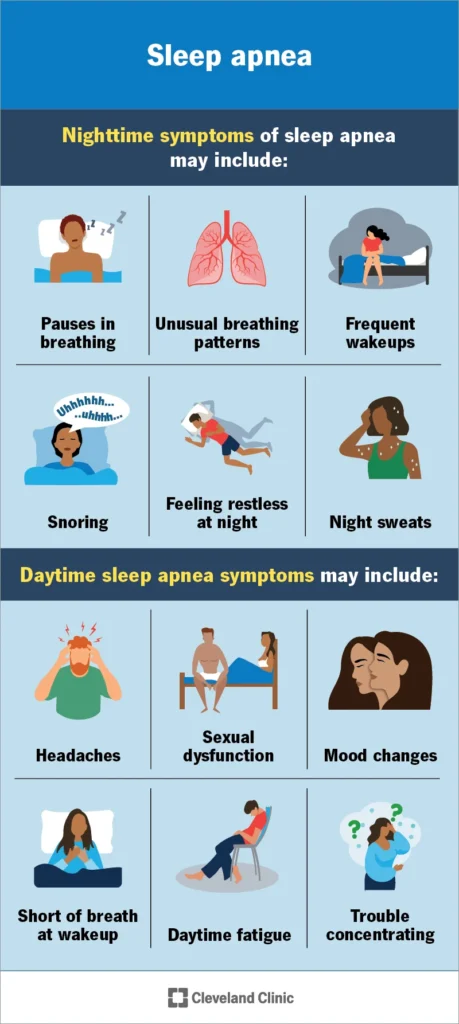
But if drooling is sudden, heavy, or paired with gasping, choking, or big daytime sleepiness, treat it as a signal to check in with a clinician. It may be nothing. It may be worth evaluating.
If your partner is losing sleep, then treat this like a relationship problem (with a sleep solution)
Snoring becomes “funny” until it’s nightly. Then it turns into separate bedrooms, resentment, and jokes that stop landing.
A practical move: agree on a two-week experiment. You test one snoring intervention. Your partner tracks whether they wake up and how they feel in the morning. Make it about outcomes, not blame.
If you suspect burnout, then think recovery—not just silence
When people are fried, they chase hacks. That’s why guided relaxation and “deep rest” formats are trending in health coverage and social feeds.
Those tools may help you downshift, but they won’t necessarily fix snoring. If you want the cultural context, scan coverage like Non-Sleep Deep Rest: What Is It, Who It Benefits, and How It Works and use it as a complement to a real snoring plan.
How an anti snoring mouthpiece fits into sleep health
Think of sleep health as a triangle:
- Breathing: open airway, steady airflow
- Comfort: jaw feels okay, you can stay asleep
- Consistency: you use it enough nights to matter
A mouthpiece targets breathing mechanics. It’s not a full lifestyle makeover. That’s a feature, not a flaw.
Quick safety notes before you try one
- If you have jaw pain, TMJ issues, loose teeth, or major dental work, ask a dentist first.
- If you have loud snoring plus choking/gasping, morning headaches, or severe daytime sleepiness, consider a medical evaluation.
- Stop using any device that causes sharp pain, numbness, or worsening jaw symptoms.
FAQs: fast answers people want right now
Do anti-snoring mouthpieces work for everyone?
No. They often help when jaw or tongue position narrows the airway, but they’re not universal.
How long does it take to notice results?
Sometimes immediately. Often within a few nights once fit and comfort improve.
Is drooling with a mouthpiece normal?
It can be common early on. If it’s sudden or paired with other symptoms, talk with a clinician.
Can I use one if I have TMJ?
Maybe. TMJ history is a reason to get dental guidance before you commit.
What if the snoring improves but I’m still exhausted?
Then the issue may be bigger than snoring alone. Track symptoms and consider a professional sleep assessment.
CTA: make your next step simple
If your snoring is positional, your partner is losing sleep, or you’re tired of buying gadgets that don’t stick, a mouthpiece is a practical place to start.
How do anti-snoring mouthpieces work?
Medical disclaimer: This article is for general education only and isn’t medical advice. It doesn’t diagnose, treat, or replace care from a qualified clinician. If you have severe daytime sleepiness, choking/gasping at night, chest pain, or concerns about sleep apnea, seek medical evaluation.