
Snoring is having a moment. Not the fun kind—more like the “someone slept on the couch again” kind.
Between new sleep gadgets, wearable scores, and travel fatigue, people are paying attention to what wrecks recovery.
If snoring is dragging down sleep quality, an anti snoring mouthpiece is one of the most practical tools to test—if you set it up correctly and track what changes.
Why is everyone suddenly talking about snoring and sleep apnea?
Sleep health is trending because burnout is real. So is the pressure to “optimize” everything, including sleep.
Recent coverage has also highlighted how sleep apnea treatment is evolving. You’ll see headlines about new tech, smarter diagnostics, and even early-stage research into medication approaches. If you want a general reference point for that conversation, here’s one example: A Pill for Sleep Apnea? Clinical Trial Yields Promising Results.
That buzz is useful, but it can also distract from the basics. Most people still need simple, repeatable steps that improve sleep tonight, not someday.
Is snoring just annoying, or does it actually hurt sleep quality?
Snoring can be a relationship joke until it isn’t. Even when it’s “only” noise, it can fragment sleep for the person next to you.
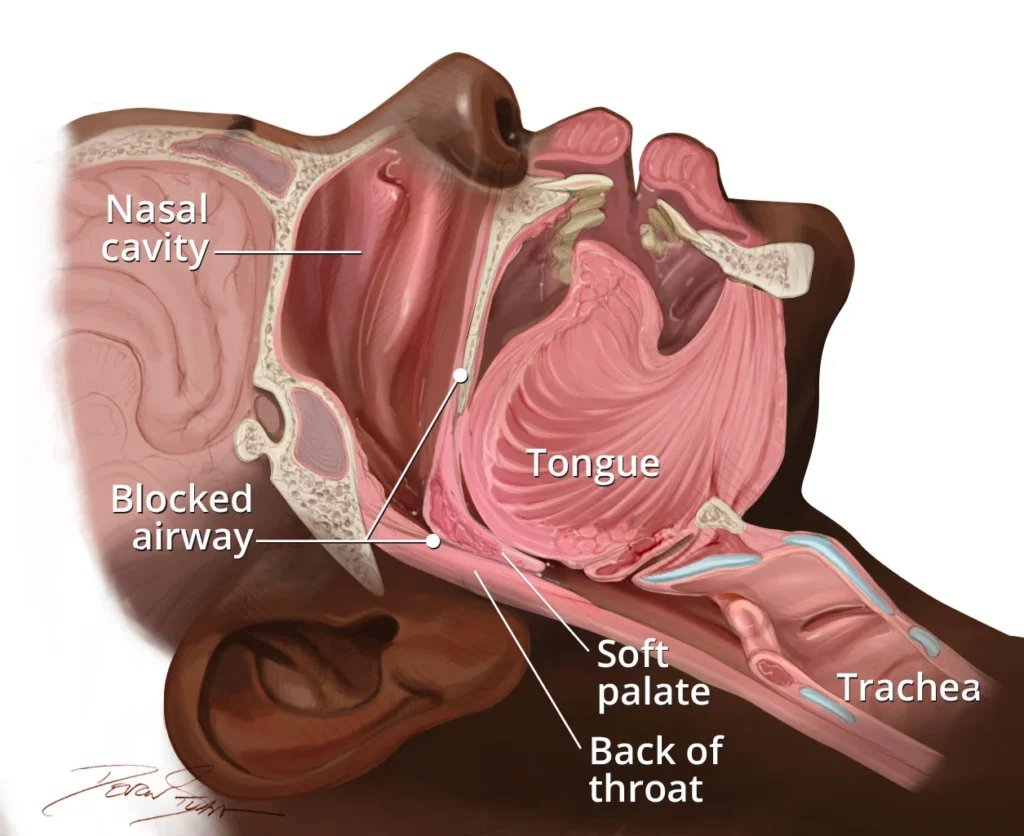
For the snorer, it can also signal airflow resistance. That doesn’t automatically mean sleep apnea, but it can still correlate with lighter sleep, dry mouth, and waking up unrefreshed.
If you’re dealing with daytime sleepiness, morning headaches, or witnessed breathing pauses, don’t treat it as a DIY-only problem. Those are reasons to get screened for sleep apnea.
What does an anti snoring mouthpiece actually do?
Most anti-snoring mouthpieces are mandibular advancement devices (MADs). In plain language, they gently position the lower jaw forward to help keep the airway more open.
Think of it like moving a doorstop a few millimeters. You’re not “forcing” sleep. You’re creating a little more space where airflow tends to get noisy.
Some people pair a mouthpiece with a chinstrap to support mouth-closed breathing. That combo can be helpful if your snoring is worse when your mouth falls open.
How do you choose a mouthpiece without getting lost in hype?
Start with fit and comfort, not marketing. A mouthpiece you can’t tolerate won’t help, even if it’s “stronger.”
Here’s what to look for when you compare options:
- Adjustability: Small, stepwise advancement tends to be easier on the jaw.
- Breathing design: If you get congested, a design that doesn’t panic you when you need air matters.
- Material feel: Bulky edges can irritate gums and trigger gag reflex.
- Realistic expectations: “Stops all snoring” is a red flag. Look for “may reduce” language and user-fit guidance.
If you want a concrete example of a combo option, see this anti snoring mouthpiece.
What’s the simplest way to fit and test a mouthpiece (without overdoing it)?
Most frustration comes from going too hard on night one. A better approach is “ICI”: incremental, comfort-first, and inspect your results.
Incremental: advance in small steps
If your device allows adjustment, start conservative. Give each setting a few nights before changing it.
Jaw joints hate sudden surprises. Small changes are easier to tolerate and easier to troubleshoot.
Comfort: reduce pressure points early
Expect some drooling and mild tooth awareness at first. That’s common during the adaptation phase.
Sharp pain, persistent jaw soreness, or bite changes are not “powering through” moments. Pause and consider professional guidance.
Inspect: track what actually improves
Don’t rely on vibes. Use a simple checklist for 7–10 nights:
- Snoring volume (partner rating or a basic recording app)
- Number of wake-ups
- Morning dryness or headaches
- Daytime energy (especially mid-afternoon)
This matters even more if you’re traveling. Hotel beds, alcohol timing, and jet lag can spike snoring, so your “baseline” may shift.
What else helps sleep quality while you’re working on snoring?
Mouthpieces work best when the rest of your sleep setup isn’t fighting you. You don’t need a $400 sleep gadget nightstand to get traction.
Try these practical supports:
- Side-sleep bias: A pillow behind your back can reduce supine time.
- Nasal comfort: If you’re congested, address dryness and irritants so you’re not forced into mouth breathing.
- Timing guardrails: Heavy meals and alcohol close to bedtime can worsen snoring for some people.
- Clock changes and burnout: When schedules shift (hello, daylight savings), protect a consistent wake time when possible.
These aren’t magic. They’re multipliers. They make your mouthpiece trial easier to interpret.
How do you clean and maintain an anti-snoring mouthpiece?
Keep it simple and consistent. Rinse it after use, gently brush with mild soap, and let it air-dry fully.
Avoid hot water and harsh cleaners unless the manufacturer specifically allows them. Warping and residue are common reasons devices stop fitting well.
Also store it in a ventilated case. A sealed, wet container is basically a science experiment.
When is snoring a “stop and get checked” situation?
Snoring plus certain symptoms deserves medical attention. Don’t self-manage if you notice choking or gasping, witnessed pauses in breathing, or severe daytime sleepiness.
High blood pressure and morning headaches can also be clues. A clinician can help rule out sleep apnea and discuss options like CPAP, oral appliances, and other therapies.
FAQ
Do anti-snoring mouthpieces work for everyone?
No. They often help when jaw position contributes to airway narrowing, but results vary.
Is snoring the same as sleep apnea?
No. Sleep apnea involves repeated breathing interruptions and needs evaluation.
How long does it take to get used to a mouthpiece?
Often several nights to a couple of weeks, especially with gradual use.
Can a mouthpiece cause jaw pain or tooth soreness?
Yes, particularly early on. Persistent pain means you should stop and get advice.
What’s the easiest way to clean an anti-snoring mouthpiece?
Rinse, gently brush with mild soap, and air-dry. Skip hot water and harsh chemicals.
When should I talk to a clinician instead of trying gadgets?
If you have gasping, pauses in breathing, or major daytime sleepiness, get screened.
Ready to test a mouthpiece the smart way?
Pick one tool. Fit it gradually. Track outcomes for 7–10 nights. That’s how you turn snoring from a nightly argument into a solvable problem.
How do anti-snoring mouthpieces work?
Medical disclaimer: This article is for general education only and is not medical advice. Snoring can have many causes, including sleep apnea. If you have breathing pauses, choking/gasping, chest pain, severe daytime sleepiness, or persistent symptoms, seek evaluation from a qualified clinician.