
Before you try an anti snoring mouthpiece, run this quick checklist:
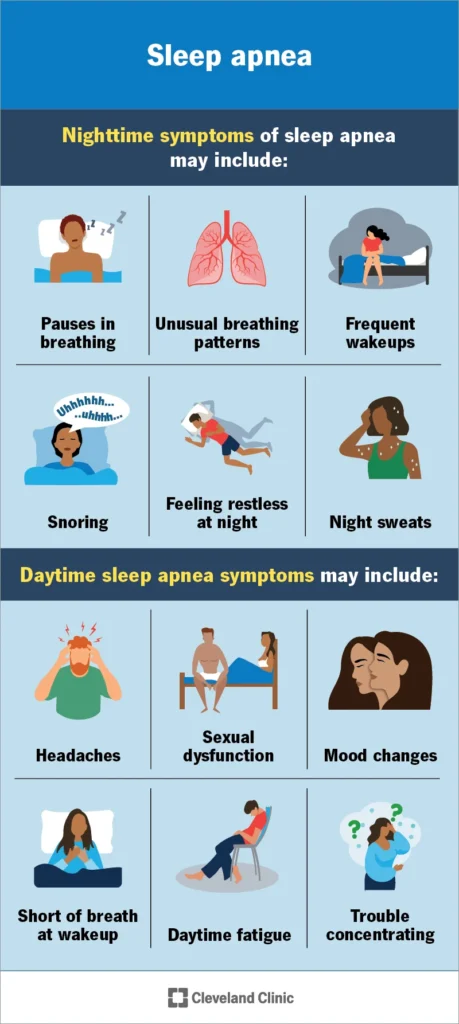
- Confirm the pattern: Is it every night, only after alcohol, or mostly when you sleep on your back?
- Screen for red flags: choking/gasping, witnessed pauses, morning headaches, or severe daytime sleepiness.
- Pick one change at a time: mouthpiece or new pillow or nasal strips. Stacking fixes hides what worked.
- Plan to track: 7–14 nights of notes or a simple snore recording.
- Set hygiene rules: daily cleaning, dry storage, and no sharing.
Big picture: why snoring is everywhere right now
Sleep has become a full-on lifestyle category. People compare wearables, “smart” rings, white-noise machines, and travel-friendly gadgets like they compare coffee grinders. Add workplace burnout and constant screens, and it’s no surprise that snoring and sleep quality are trending dinner-table topics.
There’s also growing curiosity about recovery tools that aren’t the same as sleep. You may have seen conversations about structured rest practices (often described as deep relaxation without actually sleeping). Those trends can be useful, but they don’t replace nighttime breathing that stays open and steady.
If you want a general explainer on the relaxation trend people are discussing, see Non-Sleep Deep Rest: What Is It, Who It Benefits, and How It Works. Then come back to the basics: airflow, comfort, and consistency.
The emotional side: it’s not “just noise”
Snoring can feel like a running joke in a relationship—until nobody’s laughing. One person gets blamed, the other person gets resentful, and suddenly you’re negotiating pillows like a peace treaty.
Travel fatigue makes it worse. Red-eye flights, hotel dryness, and unfamiliar beds can turn a mild snorer into a chainsaw impressionist. Even if you’re solo, poor sleep can show up as short patience, cravings, and that foggy “I’m working but not really functioning” feeling.
A practical goal helps: reduce snoring enough that both people can sleep, and improve sleep quality enough that you wake up steadier. That’s where an anti snoring mouthpiece enters the conversation.
Practical steps: how mouthpieces fit into a real-world plan
Step 1: Identify what you’re trying to fix
Snoring often happens when airflow gets turbulent as tissues relax. Common triggers include back-sleeping, nasal congestion, alcohol close to bedtime, and jaw position.
Mouthpieces are usually aimed at the jaw/tongue side of the equation. Many designs gently hold the lower jaw forward to keep the airway more open. Others focus on tongue positioning.
Step 2: Decide if a mouthpiece is a reasonable first try
A mouthpiece may be worth testing if:
- Your snoring is worse on your back.
- Your partner reports loud, steady snoring rather than frequent choking sounds.
- You wake with dry mouth or feel your jaw drops open at night.
If your symptoms suggest sleep apnea, don’t self-experiment for months. Get evaluated. Mouthpieces can still be part of a plan, but you’ll want the right guardrails.
Step 3: Make the test fair (and fast)
Don’t rely on one night. Use a simple protocol:
- Nights 1–3: comfort and fit. Expect an adjustment period.
- Nights 4–14: track snoring and how you feel in the morning.
- One variable: keep bedtime, alcohol timing, and sleep position as consistent as possible.
Use a snore app or recording if you share a room. If you sleep alone, track dry mouth, awakenings, and morning grogginess. Small improvements matter.
Safety and “verify before you buy” (reduce risk, document choices)
Headlines and roundups about anti-snore devices tend to repeat the same theme: consumers should verify what they’re getting. That’s smart. You’re putting a device in your mouth for hours, repeatedly.
What to verify in any anti snoring mouthpiece
- Materials and comfort: Look for clear material info and realistic comfort guidance. If it irritates your gums, you won’t use it.
- Fit approach: Follow the fitting method exactly. Poor fit can mean jaw strain or tooth pressure.
- Cleaning instructions: You want simple, specific steps you can actually do daily.
- Return/replace policy: A trial period reduces the “stuck with it” problem.
- Who should avoid it: Reputable sellers mention exclusions (for example, significant TMJ pain or certain dental issues).
How to reduce hygiene and infection risk
Keep it boring and consistent:
- Wash hands before handling the device.
- Clean daily as directed, then let it fully dry.
- Store it in a ventilated case. Don’t seal it wet.
- Replace if it cracks, warps, or develops persistent odor.
How to document your decision (useful for you, your dentist, or a sleep consult)
- Baseline: 3 nights of notes before you start.
- Device details: model, fitting date, and any adjustments.
- Outcomes: snoring intensity (1–10), awakenings, morning jaw comfort, daytime energy.
- Stop rules: worsening pain, bite changes, gum bleeding, or new headaches.
This turns “I think it helped?” into a clear record. It also lowers the risk of ignoring a problem that needs professional attention.
Where a mouthpiece + chin support can make sense
Some people snore more when their mouth falls open, especially with nasal stuffiness or when they’re exhausted. In those cases, pairing jaw positioning with gentle mouth-closure support may be appealing.
If you want an option in that category, see this anti snoring mouthpiece. Treat it like a test, not a lifetime commitment. Comfort and consistency decide the outcome.
Medical disclaimer (read this)
Medical disclaimer: This article is for general education and does not provide medical advice, diagnosis, or treatment. Snoring can be a sign of obstructive sleep apnea or other health issues. If you have breathing pauses, choking/gasping, chest pain, severe daytime sleepiness, high blood pressure, or concerns about heart risk, talk with a licensed clinician or a sleep specialist.
FAQs
Do anti-snoring mouthpieces work for everyone?
No. They can help certain snoring patterns, but they’re not universal. Your anatomy, nasal airflow, and sleep position matter.
What if my partner says I still snore sometimes?
Aim for “less and softer,” not perfection. Use recordings to compare weeks, and adjust only one factor at a time.
Can I use a mouthpiece if I grind my teeth?
Sometimes, but it depends on the device and your bite. If you grind heavily or have jaw pain, ask a dental professional before committing.
What’s the biggest mistake people make with these devices?
They skip tracking and keep switching products. A short, consistent trial tells you more than five scattered attempts.
CTA: get a clear answer fast
If snoring is dragging down your sleep quality, you don’t need more hype. You need a simple plan, a safe trial, and a way to measure results.