
Before you try anything for snoring, run this quick checklist:
- Track the pattern: Is it nightly, or only after late dinners, alcohol, or travel?
- Listen for red flags: choking, gasping, or long pauses in breathing.
- Check the daytime clues: morning headaches, brain fog, irritability, or dozing off easily.
- Ask the room: partner complaints count as data (even if delivered as “relationship humor”).
- Pick one change at a time: gadgets and hacks stack up fast, but clarity beats chaos.
Sleep health is having a moment. People are trying wearables, smart rings, white-noise machines, “non-sleep deep rest” sessions, and every travel-recovery trick under the sun. Meanwhile, workplace burnout keeps pushing bedtime later, and snoring gets louder when sleep is short and fragmented. If you’re looking for a practical next step, this guide keeps it simple.
Is snoring just annoying, or a sleep-quality problem?
Snoring can be a noise issue, a sleep-quality issue, or both. Even when the snorer sleeps through it, the bed partner may not. That mismatch is why snoring becomes a “we need to talk” topic so quickly.
Snoring also tends to show up when sleep is lighter. Think: after a long flight, a stressful week, or a few nights of too little rest. In those stretches, your airway muscles relax more, and your sleep can fragment more easily.
Why are people suddenly talking more about sleep apnea?
Public conversation has shifted from “snoring is funny” to “snoring might be a health signal.” Recent coverage has highlighted how sleep apnea can be missed, including in women, where symptoms may look like fatigue, mood changes, or insomnia rather than classic loud snoring alone.
There’s also ongoing interest in new treatments being studied, including medications under investigation. That doesn’t change the basics: if you suspect sleep apnea, you still want a real evaluation. A mouthpiece can help some snorers, but it is not a substitute for diagnosis.
What signs mean I should get checked instead of DIY-ing it?
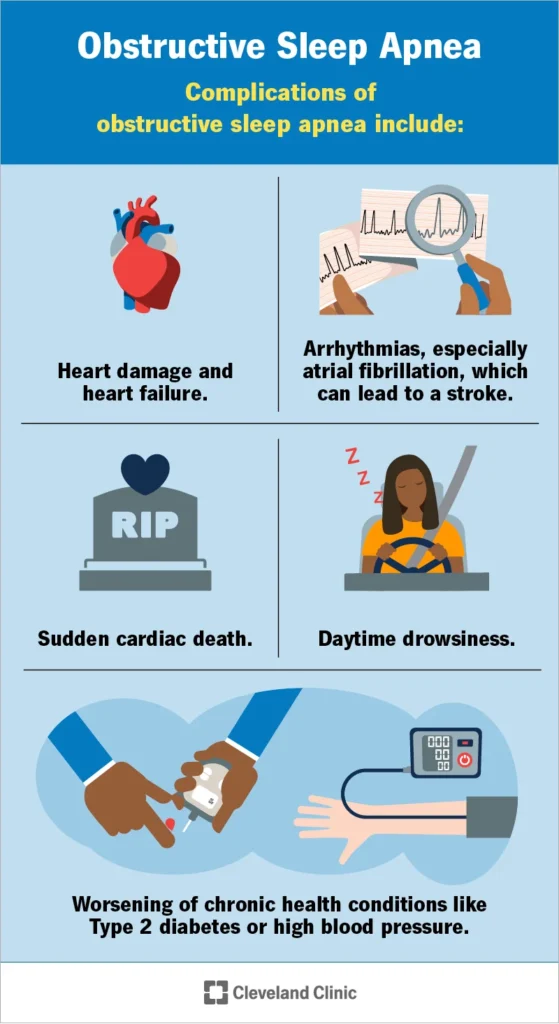
Use this as a “don’t wait” list:
- Someone observes breathing pauses, choking, or gasping
- You wake up with headaches, dry mouth, or feel unrefreshed most days
- You have high daytime sleepiness or near-miss drowsy driving moments
- Your snoring is loud, frequent, and getting worse over time
If you want a plain-language overview of what clinicians look for, see this reference on A Pill for Sleep Apnea? Clinical Trial Yields Promising Results.
Do sleep gadgets help snoring, or just measure it?
Most consumer sleep tech does two things well: it builds awareness and it nudges consistency. If your tracker shows your snoring spikes after late-night scrolling or post-travel fatigue, that’s useful.
What it usually can’t do is fix airflow mechanics. That’s where targeted tools can matter more than another chart. If your snoring is driven by jaw position or mouth breathing, a mouth-focused solution may be a more direct lever.
How can an anti snoring mouthpiece improve sleep quality?
An anti snoring mouthpiece is designed to support a more open airway during sleep, often by guiding jaw or tongue position. When it works, the change can be obvious: less vibration noise, fewer awakenings, and a calmer night for both people in the bed.
It’s also a “low-friction” experiment compared with many lifestyle overhauls. You’re not trying to become a new person overnight. You’re testing one variable and watching what happens.
What if my snoring is worse when I’m exhausted or traveling?
Travel fatigue is a common trigger. Different pillows, dry hotel air, a later dinner, and a drink at the airport lounge can all stack up. Even your sleep position changes on unfamiliar beds.
In these weeks, consistency helps more than perfection. Try keeping your wind-down routine simple, and consider a targeted snoring aid if your pattern is predictable. Your goal is fewer disrupted nights, not a flawless sleep score.
What should I look for in a mouthpiece (without overthinking it)?
Focus on comfort, stability, and whether it supports your likely snoring pattern. If mouth breathing is part of the picture, some people prefer a combo approach. You can explore an anti snoring mouthpiece as an option designed to address both jaw positioning and keeping the mouth closed.
Plan a fair test. Give it enough nights to adapt, then reassess with simple signals: partner feedback, morning refresh, and how often you wake up.
Common questions
Can I use a mouthpiece if I grind my teeth?
Maybe. Some people do fine, while others find it uncomfortable or notice more jaw tension. If you have jaw pain, dental issues, or significant grinding, it’s smart to get professional input.
What’s the “one mistake at night” people keep talking about?
Headlines often point to habits that increase strain on the body during sleep, like inconsistent schedules, heavy late meals, alcohol close to bedtime, or ignoring persistent symptoms. Rather than chase a single rule, aim for fewer sleep disruptions and address loud snoring that doesn’t improve.
Is “non-sleep deep rest” a replacement for sleep?
No. People use it as a recovery tool for stress and mental fatigue, but it doesn’t replace the physical restoration of real sleep. If snoring is fragmenting your night, fixing airflow is still the priority.
FAQs
Can an anti snoring mouthpiece stop snoring completely?
It can reduce or stop snoring for many people, especially when snoring comes from relaxed throat tissues and jaw position. Results vary by anatomy and sleep habits.
Is snoring always a sign of sleep apnea?
No. Snoring is common and can happen without sleep apnea. Loud, frequent snoring plus choking/gasping, daytime sleepiness, or witnessed breathing pauses is more concerning.
Do mouthpieces help with sleep apnea?
Some oral appliances can help certain cases, but sleep apnea needs proper evaluation. If you suspect apnea, get medical guidance before relying on a consumer device.
What’s the difference between a mouthpiece and a chin strap?
A mouthpiece typically positions the jaw/tongue to keep the airway more open. A chin strap aims to support closed-mouth breathing; some people use a combo approach.
How long does it take to notice improvement?
Some people notice changes the first few nights. Give it a couple of weeks to adjust, then reassess snoring volume, sleep quality, and daytime energy.
Next step: keep it simple and measurable
If snoring is disrupting sleep in your home, choose one change you can stick with for two weeks. Pair it with a basic log: bedtime, alcohol, congestion, travel, and partner-rated snoring volume. That’s enough to see patterns without turning sleep into a second job.
How do anti-snoring mouthpieces work?
Medical disclaimer: This article is for general education and does not provide medical advice, diagnosis, or treatment. If you suspect sleep apnea or have severe daytime sleepiness, breathing pauses, chest pain, or other concerning symptoms, seek evaluation from a qualified clinician.