
Before you try an anti snoring mouthpiece, run this quick checklist:
- Track the pattern: Is it nightly, or worse after alcohol, allergies, or travel?
- Check the “daytime cost”: Sleepy at meetings, irritable, or relying on extra caffeine?
- Listen for red flags: Choking, gasping, pauses in breathing, or morning headaches.
- Look at the setup: Side-sleeping, nasal congestion, and bedroom dryness can matter.
- Decide your goal: Quieter nights, better sleep quality, or a serious health check.
Snoring is having a cultural moment. Sleep gadgets are everywhere, “recovery” is a workplace buzzword, and travel fatigue has people searching for anything that makes a hotel night feel normal. Add relationship humor (“you sounded like a leaf blower”) and you get a very real problem dressed up as a meme.
At the same time, the sleep-health conversation is getting more serious. You’ll see headlines about new treatments being studied, plus reminders that sleep apnea can be missed in groups that don’t match the old stereotypes. That mix—trend + science + burnout—has pushed mouthpieces back into the spotlight.
Is snoring just annoying, or is it hurting sleep quality?
Even when snoring isn’t dangerous, it can still be disruptive. Micro-awakenings can fragment sleep, and your partner may sleep lightly all night waiting for the next rumble. That adds up fast during a busy season at work or after a long trip across time zones.
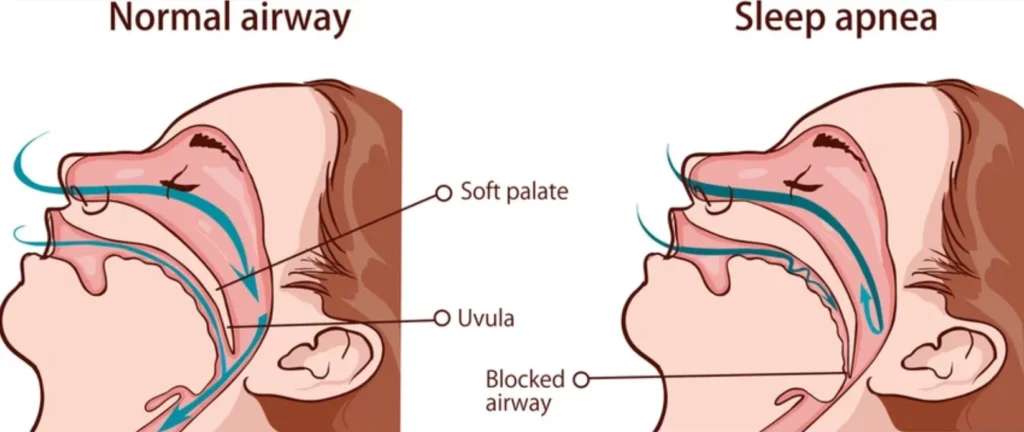
Snoring can also overlap with sleep-disordered breathing. If you notice pauses, gasping, or heavy daytime sleepiness, treat that as a reason to get evaluated rather than a DIY challenge.
Why are people talking about sleep apnea treatments right now?
Part of it is simple: more people are paying attention to sleep as a health lever. Another reason is the steady stream of research headlines, including early-stage discussions about medication approaches being studied for sleep apnea. Those stories are interesting, but they don’t replace proven evaluation and treatment pathways.
If you want a quick, general read on what’s being discussed in the news, see A Pill for Sleep Apnea? Clinical Trial Yields Promising Results.
What exactly is an anti snoring mouthpiece supposed to do?
Most anti-snoring mouthpieces aim to keep the airway more open during sleep. Many designs do this by gently positioning the lower jaw forward (often called mandibular advancement). Others focus on tongue positioning. The goal is simple: reduce the vibration that creates snoring and support steadier airflow.
People like mouthpieces because they’re non-invasive and don’t require a power source. In a world of charging docks and app subscriptions, “put it in and go to sleep” feels refreshingly low-tech.
Which snorers are the best fit for a mouthpiece?
A mouthpiece is often considered when snoring seems tied to jaw position, back-sleeping, or relaxed airway tissues. It can also be appealing if you’ve tried basic changes—like side-sleeping or managing nasal stuffiness—and still wake up unrefreshed.
It may be a poor fit if you have significant jaw pain, untreated dental issues, or symptoms that strongly suggest sleep apnea. In those cases, a clinician can help you choose a safer next step.
What should you verify before buying one?
1) Comfort and adjustability
Comfort drives consistency. If it’s bulky, painful, or makes you dread bedtime, it won’t last. Look for designs that describe how they fit and whether they allow incremental adjustment.
2) Materials and care
You’ll wear it for hours, so materials and cleaning instructions matter. Clear guidance is a good sign. Vague claims and zero care details are not.
3) Your “snoring context”
Snoring after a late meal and two drinks is different from snoring every night, even on a calm routine. If your snoring tracks with burnout, stress, or travel, you may need a broader sleep reset alongside any device.
Do combos (mouthpiece + chin strap) make sense?
Sometimes. A chin strap can help keep the mouth closed, which may reduce mouth-breathing and dryness for some sleepers. Pairing it with a mouthpiece can be appealing if you suspect open-mouth sleeping is part of the problem.
If you’re exploring that route, here’s a relevant option to compare: anti snoring mouthpiece. Focus on fit, comfort, and return policies rather than hype.
What about “non-sleep deep rest” and other sleep trends?
You may see people talking about guided relaxation protocols, breathwork, or “NSDR” style breaks as a way to feel better when sleep is short. These trends can be useful for downshifting stress, especially during heavy workloads.
Still, they don’t replace actual sleep. If snoring is fragmenting your nights, the best “recovery hack” is often fixing the thing that keeps waking you up.
When should you stop self-experimenting and get checked?
- Snoring plus choking, gasping, or witnessed pauses in breathing
- High daytime sleepiness, drowsy driving risk, or brain fog that won’t quit
- Morning headaches, mood changes, or high blood pressure concerns
- Symptoms that don’t match the “classic” picture (this can happen, including in women)
Sleep apnea can go undetected, and not everyone presents the same way. If your gut says “this is more than noise,” it’s worth a conversation with a qualified clinician.
Common-sense setup tips that make mouthpieces work better
- Give it a runway: Plan a few nights to adapt, not a one-night verdict.
- Protect your routine: Consistent bed/wake times beat random “perfect” nights.
- Support nasal breathing: Address congestion and bedroom dryness when possible.
- Reduce the usual triggers: Alcohol close to bedtime and heavy late meals can worsen snoring for many people.
FAQs
Do anti-snoring mouthpieces work for everyone?
No. They tend to help when snoring is related to jaw position and airway narrowing, but they may not help with every cause of snoring.
Is snoring always a sign of sleep apnea?
Not always, but loud, frequent snoring plus choking/gasping, morning headaches, or daytime sleepiness can be a red flag worth discussing with a clinician.
What’s the difference between a mouthpiece and a chin strap?
A mouthpiece typically positions the jaw or tongue to keep the airway more open. A chin strap mainly supports keeping the mouth closed, which can reduce mouth-breathing for some people.
How long does it take to get used to an anti snoring mouthpiece?
Many people need several nights to a few weeks. Start with short wear periods and stop if you have significant pain or jaw locking.
Can women have sleep apnea even without classic symptoms?
Yes. Symptoms can be more subtle or look like fatigue, insomnia, mood changes, or morning headaches. If you’re concerned, ask about screening options.
Next step: pick one action for tonight
If your snoring is mostly “noise + poor sleep,” a well-chosen mouthpiece can be a practical experiment. If you see red flags, prioritize screening. Either way, aim for fewer interruptions and more consistent recovery.
How do anti-snoring mouthpieces work?
Medical disclaimer: This article is for general education only and is not medical advice. Snoring can have multiple causes, including sleep apnea. If you have symptoms like choking/gasping, breathing pauses, severe daytime sleepiness, chest pain, or concerns about your health, seek evaluation from a licensed clinician.